



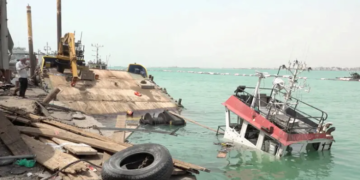






























































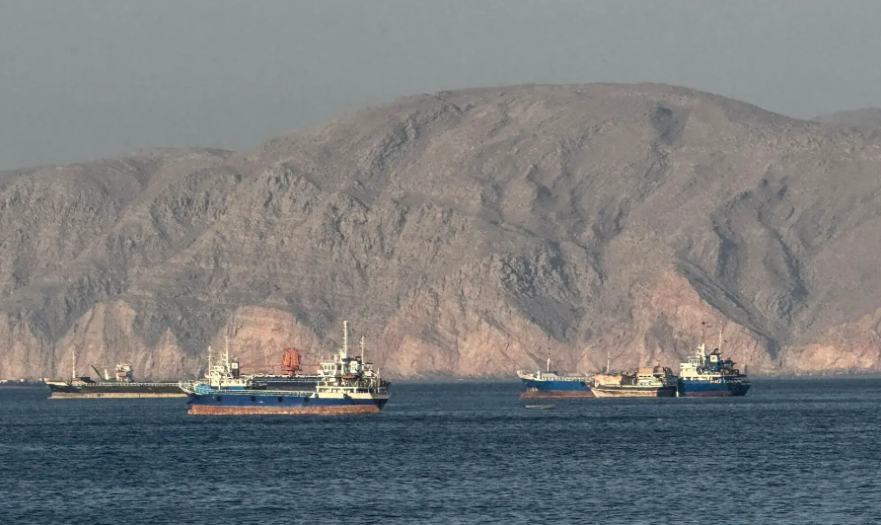
Three tankers, including a Qatari liquefied natural gas (LNG) vessel, were struck within hours of each other near the Strait of Hormuz on Tuesday, prompting Qatar to accuse Iran of carrying out an attack and denounce the incident as an “unacceptable” threat to international maritime security.

According to the UK’s Maritime Trade Operations (UKMTO), an “unknown projectile” struck a tanker overnight, sparking a fire. Two additional vessels were later hit in the same area, with at least one reportedly targeted by a drone.
The attacks occurred near Omani waters, reviving concerns over navigation through the strategic shipping lane after more than a week of relative calm. Iran had recently lifted its blockade of the strait following a fragile ceasefire with the United States.
Oman has proposed a temporary shipping corridor along its coastline to facilitate safe transit, but Iran has opposed the plan, insisting that vessels using the narrow waterway should pay transit fees.
Qatar, which played a role in mediating the recent truce, blamed Tehran for the strike on its LNG tanker and urged it to stop actions that endanger regional stability and maritime safety.
“The targeting of the Qatari vessel ‘Al-Rekayyat’ while transiting near the Strait of Hormuz constitutes an unacceptable attack on the security and safety of international maritime navigation,” Qatar’s foreign ministry spokesman Majed Al Ansari wrote on X.
“We hold Iran fully legally responsible for this attack and for any resulting damages or repercussions,” he added.
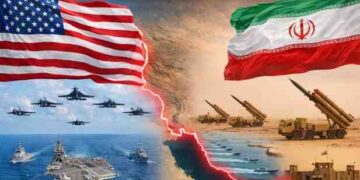
The incidents come despite the ceasefire between the United States and Iran that followed the conflict triggered by US-Israeli strikes on Tehran in late February.
The future administration of the Strait of Hormuz remains a major issue in negotiations between Washington and Tehran aimed at reaching a lasting settlement.
“We are now in a sensitive period where potential alternatives to an Iranian toll or fee system are being explored,” Andreas Krieg, a security expert at King’s College London, told AFP.
“Iran is sending a clear signal that no alternative will be accepted.
“Tankers trying to diverge through the Omani maritime corridor without registering with the Iranian authority will be punished,” Krieg added, describing the attacks as a “clear violation” of both the ceasefire agreement and international law.
US news outlet Axios reported on Monday, citing two unnamed US officials, that Iran had “fired at least two missiles at commercial ships.” The Pentagon did not immediately respond to requests for comment.
Commercial shipping had gradually resumed after Washington and Tehran signed a memorandum of understanding last month to end hostilities and restore passage through the vital waterway.
However, Iran has maintained that shipping through the strait will not return to pre-war arrangements that allowed unrestricted passage.
Under the 14-point US-Iran memorandum of understanding, Iran and Oman are required to hold discussions with other Gulf states to determine the future administration and maritime services in the Strait of Hormuz.
Although Qatar had earlier declined to mediate while under Iranian attack during Tehran’s retaliatory strikes against Gulf states, Doha has since taken a more active diplomatic role, hosting indirect talks between Iran and the United States last week.