
















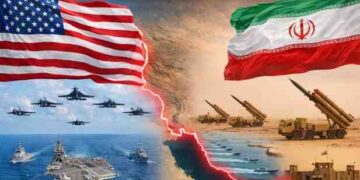

































WASHINGTON (MNN); United States President Donald Trump said on Wednesday that his administration has not yet fully accepted the terms of a proposed agreement with Iran, but expressed confidence that a deal would eventually be reached.

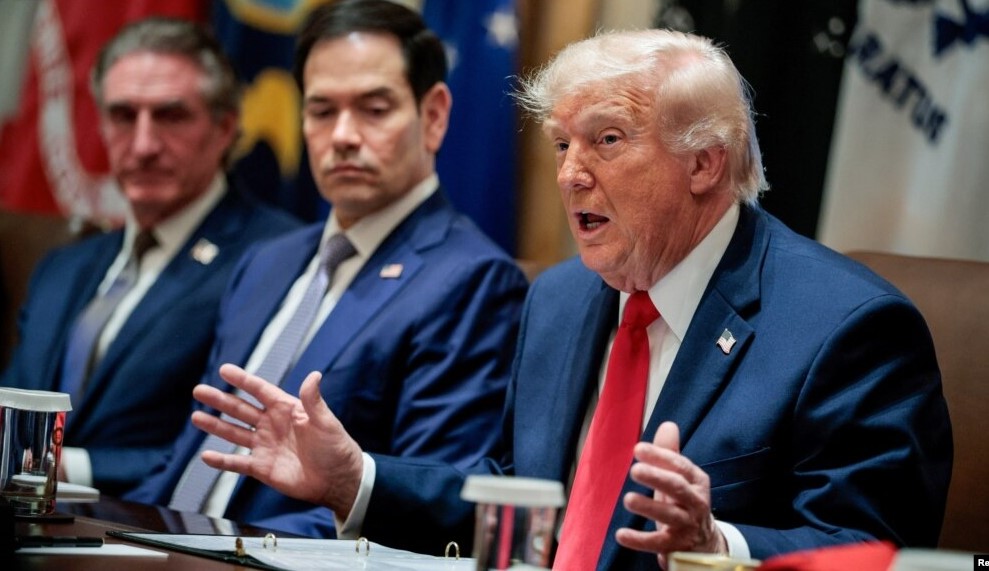
Speaking during a cabinet meeting at the White House attended by reporters, Trump said Tehran was eager to secure an agreement and had little choice due to its worsening economic situation.
“They want a deal, and I believe they need one,” Trump said, adding that Iran’s economy was under severe pressure and its financial system had significantly weakened.
Trump reiterated that preventing Iran from obtaining nuclear weapons remained a top priority, saying the issue concerned global security rather than only American interests.
“It’s very simple — Iran cannot have a nuclear weapon. This is for the whole world, not just the United States,” he said.
The US president also stressed that the Strait of Hormuz must remain open to international shipping and said no country would be allowed to control the strategic waterway under any agreement.
“We’ll help oversee it, but no one is going to control it. That is part of the negotiations,” Trump stated.
US Secretary of State Marco Rubio told the meeting that Washington continues to prioritise diplomacy and remains hopeful that progress can be made.
“We want an agreement and have continued working toward that goal. There has been progress, and the next few hours or days will show whether further movement is possible,” Rubio said.
US War Secretary Pete Hegseth said intelligence assessments indicated Iran’s economy was under significant strain, with shipping activity at Iranian ports heavily disrupted.
He said the US had options ranging from diplomacy to military action if negotiations failed.
The cabinet meeting came as both sides worked to finalise a Memorandum of Understanding following weeks of indirect talks aimed at maintaining the fragile ceasefire and opening broader discussions on Iran’s nuclear programme and regional security.
Diplomatic sources said much of the proposed document had already been agreed, though differences remain over wording and implementation details.
Tensions rose further after Iranian state television claimed Tehran had obtained an early draft of the proposed framework. According to the report, Iran would restore commercial shipping through the Strait of Hormuz while the US would withdraw nearby military forces and lift its naval blockade.
The report also suggested any final agreement could later be endorsed through a binding resolution at the United Nations Security Council.
The White House dismissed those reports as false, calling the alleged draft “a complete fabrication”.
Negotiations have slowed in recent days, with officials saying even minor wording differences remain sensitive due to the collapse of previous agreements between Washington and Tehran over disputes in interpretation.
The ceasefire linked to the negotiations has now entered its eighth week but remains fragile amid continued regional tensions.
Iran has warned it may respond to recent US military actions, while clashes between Hezbollah and Israel along the Lebanese border have raised concerns of wider conflict in the region.
An official from Iran’s Revolutionary Guards said renewed war with the US remained unlikely but warned that Tehran was prepared to respond to any attack.
Regional countries and global energy markets continue to watch developments closely, amid fears that instability around the Strait of Hormuz could disrupt oil supplies and impact the global economy.