















































Iran has said it has responded to a new US proposal aimed at ending the ongoing conflict, even as military tensions continue to escalate across the Middle East.

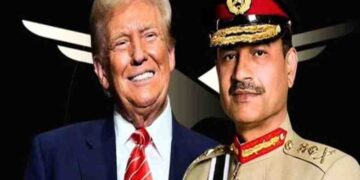
US President Donald Trump stated that he had decided to “hold off” a planned attack after requests from Gulf states, adding that “serious negotiations” with Iran were now underway and that a deal was possible.
However, Trump warned that Washington remained prepared for a “full, large scale assault of Iran, on a moment’s notice, in the event that an acceptable Deal is not reached”.
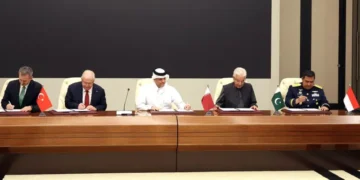
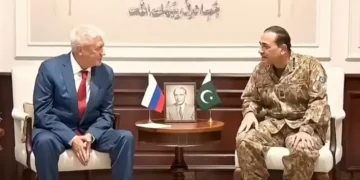
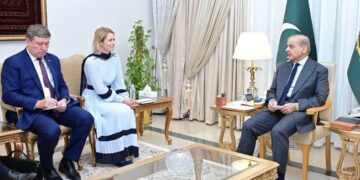
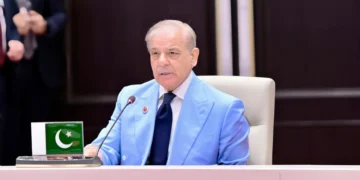
Iranian foreign ministry spokesman Esmaeil Baqaei said Tehran had submitted its response to the US proposal, with communication ongoing “through the Pakistani mediator”.
He said Iran’s concerns had been formally conveyed and discussions were continuing despite the fragile security situation following weeks of conflict triggered by US-Israeli strikes on Iran.
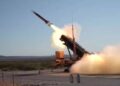
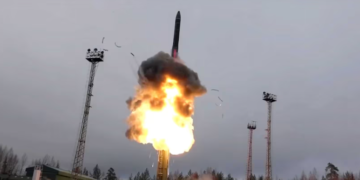
Reports indicate that there is a significant military build-up in the region, including large-scale deployment of US naval forces and aircraft carriers in the Middle East, alongside increased military logistics activity in Israel.
Iran’s position and demands
Iran has continued to push for key demands, including the unfreezing of its overseas assets and the lifting of long-standing sanctions.
According to Iranian officials, these demands have been consistently raised throughout negotiations, alongside calls for compensation, which Tehran describes as necessary due to what it calls an “illegal and baseless” war.
Iran has also stated it is “fully prepared for any eventuality” if talks collapse and fighting resumes.
A senior Iranian source said that Iran’s latest proposal largely mirrors earlier offers, prioritising an immediate ceasefire, reopening of the Strait of Hormuz, and easing of maritime restrictions, while delaying more complex nuclear discussions for later phases.
The source added that the US had shown limited flexibility, including discussions around releasing a portion of Iran’s frozen funds and allowing restricted peaceful nuclear activity under International Atomic Energy Agency (IAEA) oversight.
Iran, however, is reportedly seeking full access to its frozen assets held abroad.
Mediation and regional developments
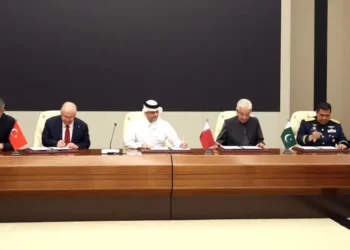
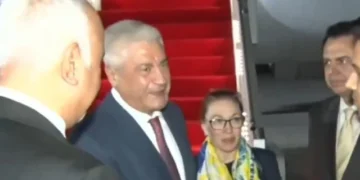
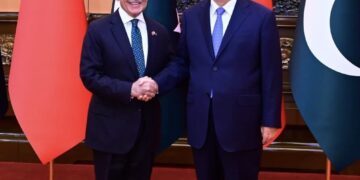
The report also confirmed that negotiations are being facilitated through Pakistan as a mediator, with diplomatic exchanges continuing despite ongoing instability.
Iranian media claims suggest Washington has shown “some flexibility,” including potential easing of oil-related sanctions while talks continue.
In a related development, Iran announced the formation of a new body called the Persian Gulf Strait Authority (PGSA) to oversee maritime activity in the strategic Strait of Hormuz.
The announcement comes amid fluctuating shipping traffic through the waterway, which is critical for global oil supply chains.
While traffic had recently dropped to wartime lows, maritime tracking data indicates a partial recovery in vessel movement in recent days.
Military and security claims
Iran’s Islamic Revolutionary Guard Corps (IRGC) also claimed it carried out strikes against groups it described as US- and Israeli-backed militants attempting to smuggle weapons into Iran’s Kurdistan region.
The IRGC said large quantities of arms and ammunition were seized during the operation.
Meanwhile, Iranian state media reported adjustments in maritime monitoring and increased passage approvals through the Strait of Hormuz.
Despite ongoing tensions, both sides appear to be maintaining indirect communication channels while simultaneously preparing for the possibility of renewed conflict.