
















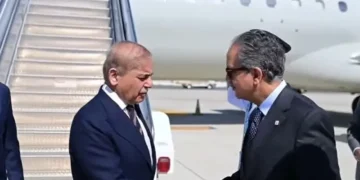

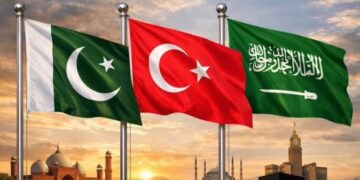




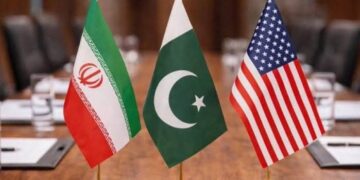




























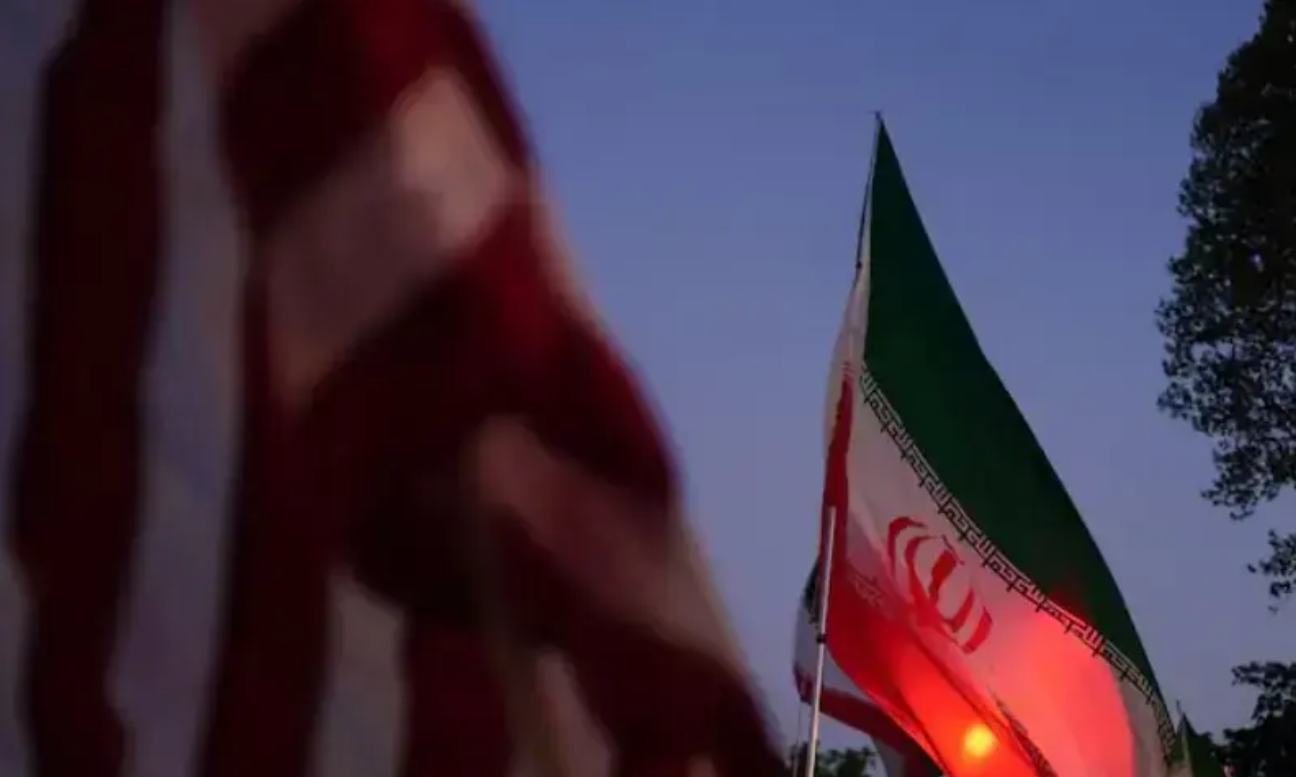
The United States has expressed optimism over Pakistan’s diplomatic efforts to ease tensions with Iran, as Islamabad continued backchannel engagements aimed at preventing further escalation between Washington and Tehran.

Speaking ahead of Nato talks in Sweden, US Secretary of State Marco Rubio said there were “some good signs” emerging from Pakistan’s contacts with Iran, though he cautioned against premature optimism.
“There’s some good signs… I don’t want to be overly optimistic … So, let’s see what happens over the next few days,” Rubio said.
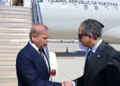
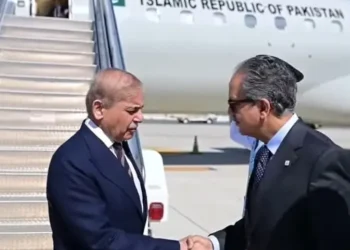
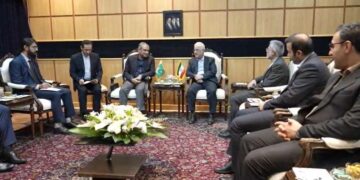
Pakistan’s Interior Minister Mohsin Naqvi visited Iran for the second time within a week, holding meetings with Iranian Foreign Minister Abbas Araghchi and Interior Minister Eskandar Momeni to maintain diplomatic communication channels.
Rubio indicated that Pakistani officials were expected to continue discussions in Tehran, saying: “I believe the Pakistanis will be travelling to Tehran today. So hopefully that’ll advance this further.”
He also criticised Nato allies for declining to support the US in its conflict with Iran, saying President Donald Trump was “not asking them to send their fighter jets in”, but added that Washington was “very upset” by their refusal to assist.
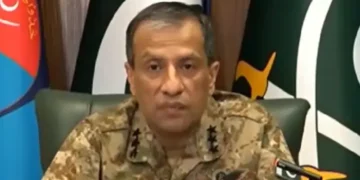
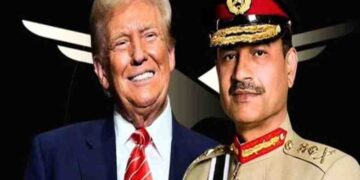
Reports circulating in Iranian media suggested that Pakistan’s Chief of Defence Forces, Asim Munir, could travel to Tehran if the current diplomatic contacts succeed in narrowing differences enough to justify higher-level intervention. However, Pakistan’s military media wing had not officially confirmed the visit.
According to Iran’s ISNA news agency, the reported visit would focus on continuing “talks and consultations” with Iranian authorities.
Diplomatic sources said negotiations had shifted into complex discussions over an interim arrangement involving uranium management, sanctions relief, maritime security, and guarantees against renewed military strikes.
Iran later confirmed that it was reviewing Washington’s latest proposal aimed at ending the conflict. Foreign Ministry spokesperson Esmaeil Baghaei said Tehran and Washington had exchanged messages multiple times through Pakistan, based on a 14-point Iranian proposal.
Officials said the talks are now centred on extending the ceasefire and creating room for structured negotiations over the next month.
A major obstacle remains the future status of the Strait of Hormuz, which has emerged as one of the most contentious issues in the negotiations.
Iran recently announced the creation of a formal “management and supervisory zone” in the strategic waterway, signalling its intention to maintain leverage gained during the conflict. Washington has rejected any Iranian-controlled tolling or supervisory system in Hormuz, insisting on unrestricted maritime passage.
Rubio said a diplomatic breakthrough would be difficult if Tehran proceeded with plans to impose tolls in the strait.
The issue has also triggered tensions with the United Arab Emirates after Iran’s newly-established Persian Gulf Strait Authority claimed its area of control extended into Emirati waters.
In a statement posted on X, the authority said ships passing through the area would require “coordination with, and authorisation from” the body.
Senior Emirati adviser Anwar Gargash strongly criticised the move, calling Iran’s attempts to control the Strait of Hormuz or challenge UAE maritime sovereignty “nothing but pipe dreams.”