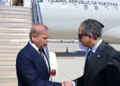









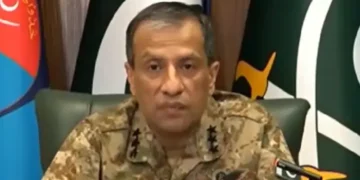




























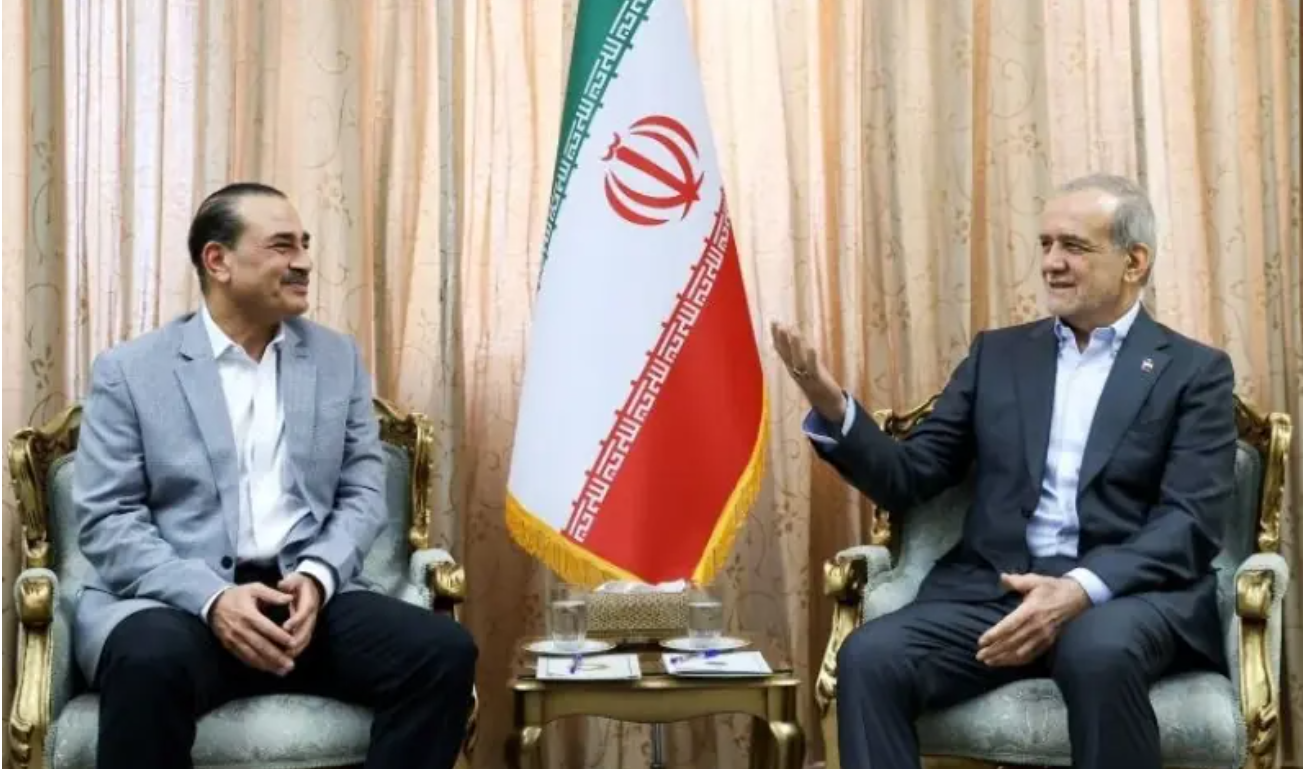
Pakistan’s military said on Saturday that Chief of Defence Forces and Chief of Army Staff Field Marshal Asim Munir held extensive discussions with Iran’s leadership in Tehran over the past 24 hours, leading to “encouraging progress towards a final understanding”.

According to the Inter-Services Public Relations (ISPR), the meetings took place in a “positive and constructive environment” and played an important role in ongoing mediation efforts amid regional tensions following the April 8, 2026 ceasefire.
The statement said the visit came as negotiations advanced from political messaging to detailed discussions focused on the Strait of Hormuz, Iran’s nuclear programme, sanctions relief, and guarantees against future military action.
“During the visit, the field marshal held high-level engagements with Iranian leadership as part of ongoing mediation efforts aimed at promoting de-escalation and constructive engagement, amidst the regional tensions that have simmered after the ceasefire on 8th April, 2026.”
The two sides discussed accelerating the consultative process to help ensure regional peace and stability and move towards a conclusive agreement.
ISPR added that Iranian leaders acknowledged Pakistan’s “sincere and constructive role” in facilitating dialogue and supporting the “peaceful settlement of regional issues”.
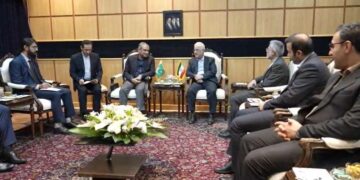
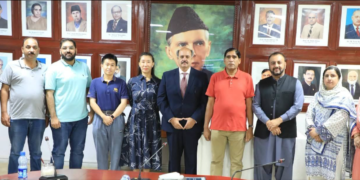
During the visit, Field Marshal Munir met Iranian President Masoud Pezeshkian, Parliament Speaker Mohammad Bagher Ghalibaf, Foreign Minister Abbas Araghchi, and Interior Minister Eskandar Momeni.
Pakistan has intensified diplomatic engagement in recent days, including another visit to Tehran by Interior Minister Mohsin Naqvi earlier this week to help revive negotiations.
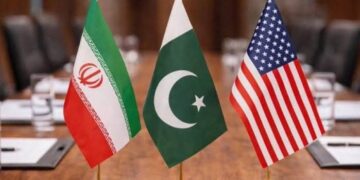
Field Marshal Munir had also visited Iran last month alongside Naqvi, where he met Araghchi and other officials as part of mediation efforts between Iran and the United States.
Meanwhile, diplomatic activity surrounding Tehran has expanded, with Qatar sending a negotiating delegation in coordination with Washington. Saudi Interior Minister Abdulaziz bin Saud Al Saud also held talks with Naqvi in Tehran.
An Iranian diplomat in China praised Beijing’s peace proposal during the conflict, noting it was presented “with the support of Pakistan”.
Regional diplomats also observed softer messaging from the UAE favouring de-escalation and uninterrupted maritime trade.
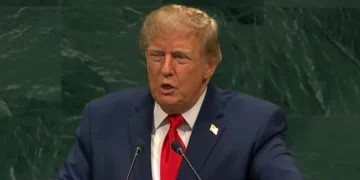
The renewed diplomatic push comes amid growing pressure from Washington and its regional allies. US President Donald Trump said on Wednesday that negotiations with Iran were nearing completion and warned that military strikes could resume if an agreement is not reached within a “limited timeframe”.
Iran, however, warned that any US attack could expand confrontation beyond the Middle East while maintaining that diplomatic solutions remained possible.
A day earlier, US Secretary of State Marco Rubio commended Pakistan’s role in the talks, calling it Washington’s “primary interlocutor”.
“The primary interlocutor on this has been Pakistan and continues to be, and they’ve done an admirable job,” Fox News quoted him as saying.
Rubio also referenced Field Marshal Munir’s Tehran visit, saying Washington remained in close contact with him.
“We’re in constant communication with him, and the highest levels of our government are constantly talking to him,” Rubio said.
Diplomatic sources said the process now appears to be moving toward a phased stabilisation effort rather than a comprehensive final settlement.