
















































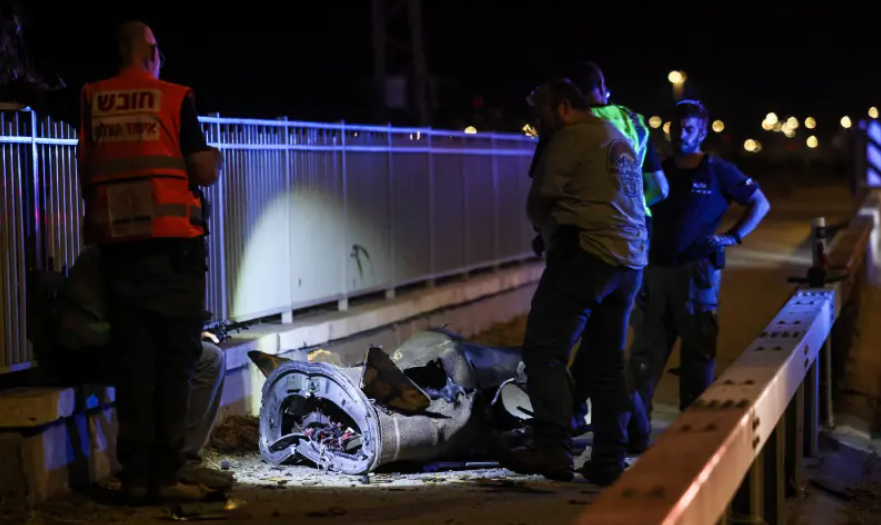
Israel and Iran exchanged fresh attacks on Monday, putting a fragile ceasefire under severe strain and raising concerns about efforts to end the broader conflict in the Middle East.

The latest escalation came just hours after US President Donald Trump urged Israel not to retaliate against Iranian missile launches. Explosions were heard in Jerusalem as Israeli air defence systems intercepted a new wave of missiles fired from Iran.
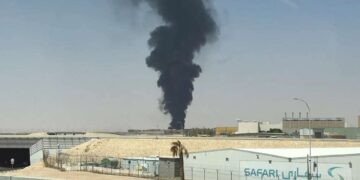
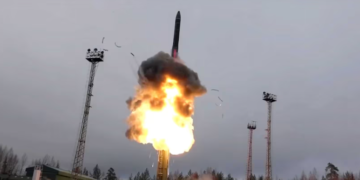
Israel said its military carried out strikes in western and central Iran in response to Tehran’s launch of 11 missiles on Sunday, all of which were intercepted without causing casualties. Iranian media and the Israeli military later confirmed that an Israeli strike targeted a petrochemical facility in Mahshahr, southwestern Iran.
Trump has sought to curb further escalation, warning against retaliatory actions as negotiations with Tehran continue. While stressing that recent hostilities would not derail US-Iran peace efforts, he asserted that “It’s not going to have any impact on the deal” and added, “I call the shots. I call all the shots. He (Netanyahu) doesn’t call the shots.”
Israel’s military said it struck Iranian military targets, while Iran’s Revolutionary Guards claimed Israel had used air-launched ballistic missiles in its attacks. Israel’s ambassador to the United States, Yechiel Leiter, condemned Iran’s missile launches and said Israel was targeting missile infrastructure and launch sites.
The renewed conflict pushed global oil prices higher, with Brent crude rising more than three per cent and climbing above $96 per barrel. Iran’s Revolutionary Guards said they had targeted the Ramat David air base near Nazareth, while Israeli defence systems intercepted incoming missiles. Israel also reported intercepting a missile launched from Yemen, marking the first such attack since a truce was announced in April.
According to reports, Trump spoke with Israeli Prime Minister Benjamin Netanyahu by telephone on Sunday and urged him to avoid further military action, arguing that diplomatic progress was within reach. A US official quoted by Axios said Trump told Netanyahu that “we are close to doing something good in terms of a deal.”
In a separate interview, Trump called on Tehran to return to negotiations, saying, “What I would suggest to Iran: You’ve shot your missiles, that’s enough, get back to the table and make a deal.”
The conflict remains closely linked to tensions in Lebanon, where Israel has continued military operations against Hezbollah despite ceasefire discussions involving Iran and the United States. Tehran has repeatedly stated that any agreement with Washington depends on a lasting ceasefire in Lebanon.
Iranian Parliamentary Speaker Mohammed Baqer Qalibaf said US bases and Israeli assets remained legitimate targets due to what he described as hostile actions, including the “violation of agreements over Lebanon.”
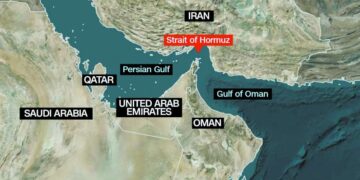
Although Washington and Tehran have indicated that they are nearing a preliminary agreement aimed at easing tensions and reopening vital shipping routes through the Strait of Hormuz, recent military exchanges have complicated diplomatic efforts. Trump has continued to insist that any final deal must prevent Iran from obtaining nuclear weapons, while Tehran is demanding sanctions relief, access to frozen assets, and recognition of its strategic interests in the region.