




















































Iran and Oman have held discussions on the future administration of the Strait of Hormuz following remarks by US President Donald Trump warning Oman against cooperating with Tehran over control of the strategic waterway.

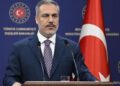
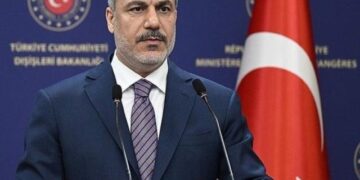
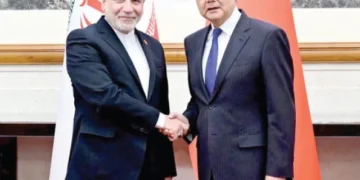
Iranian Foreign Minister Abbas Araghchi said he spoke with his Omani counterpart, Badr Albusaidi, and stressed that any final agreement to end the three-month conflict in the Middle East would require Washington to abandon what he called “excessive demands” and inconsistent positions. According to Iran’s Foreign Ministry, Araghchi said progress in negotiations with the United States depends on a change in the American approach.
In a post on X, Araghchi described his conversation with Albusaidi as a “productive call” that included discussions on the Strait of Hormuz and its future management in line with the two countries’ sovereign responsibilities and international law. He also expressed Iran’s solidarity with Oman “in the face of any threat.”
Iranian Foreign Ministry spokesperson Nasser Baghaei separately stated that management of the strait “must be decided by Iran and Oman.”
The discussions came after Trump warned Oman against participating in any effort to impose transit fees on vessels using the strait. Speaking at the White House on Wednesday, Trump said, “The Strait is going to be open to everybody. It’s international waters and Oman will behave just like everybody else or we’ll have to blow them up. They understand that, they’ll be fine.”
Trump also said he was dissatisfied with the current state of negotiations with Iran and insisted that Washington was not discussing sanctions relief. He added that under a potential framework agreement, the strait would reopen immediately and “nobody’s going to control it.”
The United States reinforced its position on Thursday, with Treasury Secretary Scott Bessent stating on X that “The United States Government will not tolerate any effort to impose a tolling system in the Strait of Hormuz.” He further warned that “Oman should know that the US Treasury will aggressively target any actors involved – directly or indirectly – in facilitating tolls for the Strait and any willing partners will be penalised.”
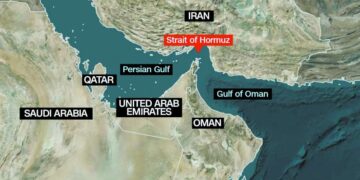
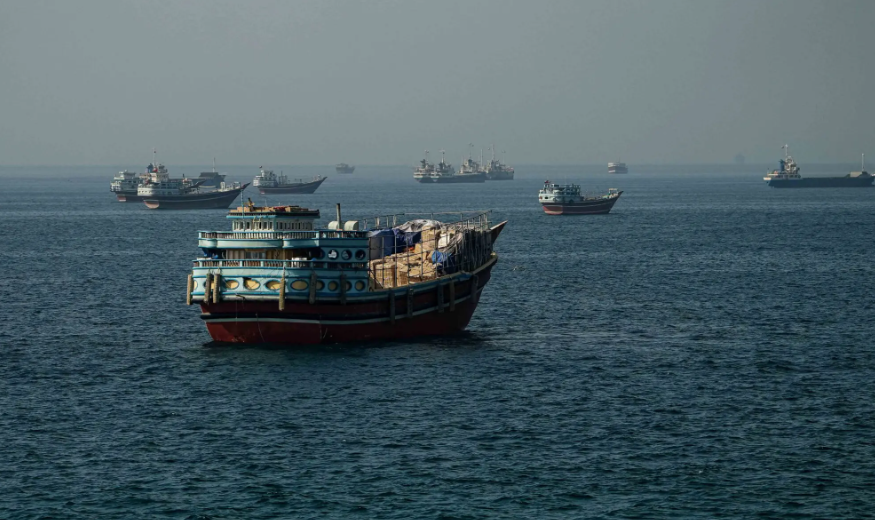
The Strait of Hormuz, portions of which fall within Iranian and Omani territorial waters, has remained largely blocked since fighting erupted on February 28, driving up global energy prices and disrupting international trade. Despite efforts by the United States, including a naval blockade of Iranian ports, commercial shipping has yet to fully return to normal operations.