




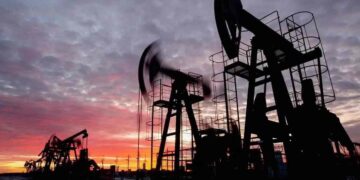




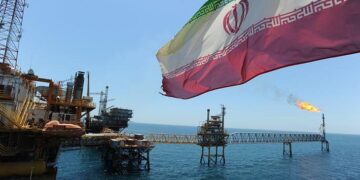


























































TEHRAN/MUSCAT (MNN); Global oil prices remained close to six-week highs and edged towards the $100-a-barrel mark as escalating tensions between the United States and Iran continued to disrupt shipping and energy flows through the strategically vital Strait of Hormuz and other parts of the Middle East.

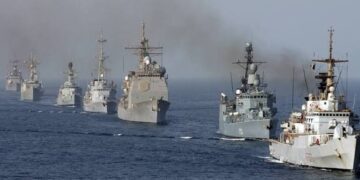
According to Reuters, tit-for-tat attacks involving vessels and assets linked to the United States and Iran have heightened concerns over the security of commercial shipping, leading to reduced crude oil and liquefied natural gas flows through one of the world’s most important energy corridors.
Brent crude futures rose by 89 cents, or 0.92 per cent, to $97.17 per barrel, after earlier touching $97.93, the highest level since July 24.
In later trading, Brent climbed further to $97.31 per barrel, up $1.03, or 1.1 per cent, after reaching an intraday high of $98.06.
US West Texas Intermediate crude also remained close to its six-week peak. WTI rose by $1.17, or 1.3 per cent, to $92.65 per barrel, after earlier touching $93.29, its highest level since July 24.
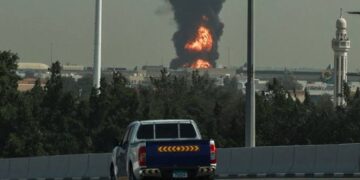
Oil markets remained under pressure amid Iranian warnings that further US attacks could trigger strikes against energy infrastructure across the Middle East.
Hormuz Shipping Faces Major Disruption
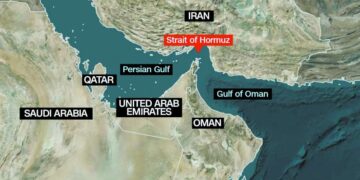
The Strait of Hormuz is a critical global energy chokepoint, linking the Persian Gulf with international markets. Any disruption to shipping through the narrow waterway can have an immediate impact on global oil and gas prices.
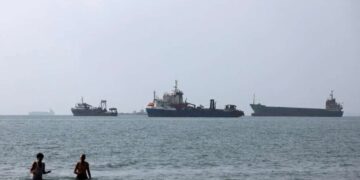
Available shipping figures indicate a dramatic reduction in energy traffic through the strait.
Daily oil flows through Hormuz reportedly fell from approximately 21.6 million barrels per day in the fourth quarter of 2025 to around 4.9 million barrels per day in the second quarter of 2026.
Crude tanker movements reportedly dropped from 66 transits to just four, while LNG carrier traffic fell even more sharply, declining from 16 transits to zero.
The sharp fall in LNG movements highlights the growing reluctance of gas carriers to enter the waterway amid heightened security risks.
Meanwhile, alternative energy routes have become increasingly important. Oil flows through the Bab el-Mandeb Strait reportedly rose to around 8.1 million barrels per day during the second quarter of 2026, reflecting efforts by energy producers and shipping companies to adjust their routes.
Iran and Oman Move Towards Safe Shipping Arrangement
Iran and Oman are reportedly nearing an agreement aimed at establishing a temporary safe route for commercial vessels through the Strait of Hormuz.
Iranian Foreign Ministry spokesperson Esmaeil Baghaei said negotiations between Tehran and Muscat to determine secure maritime routes had reached their final stage.
According to Iran’s ISNA news agency, the two countries are expected to finalise an agreement in the coming days, which could then be registered with the International Maritime Organisation.
Baghaei expressed hope that outside parties would not interfere in the process.
The proposed arrangement is being closely watched by international energy markets, as any improvement in maritime security could help increase commercial traffic through the strategic waterway.
Iran Accuses US of Deliberate Attacks
Meanwhile, tensions between Tehran and Washington continued to intensify, with Iran accusing the United States of deliberately targeting civilians during military operations.
At his weekly press briefing, Iranian Foreign Ministry spokesperson Esmaeil Baqaei accused Washington of violating international humanitarian law and said Tehran would hold the United States accountable for what it described as crimes against the Iranian people.
According to Iran’s state news agency IRNA, Baqaei rejected claims that civilian casualties were the result of collateral damage and described the attacks as deliberate acts of aggression.
He referred to reported US strikes on a wedding ceremony on Sirik Island, as well as locations in Minab and Lamerd, questioning how US forces equipped with precision-guided weapons could allegedly fail to identify civilian locations.
The United States has not accepted Iran’s allegations in the statements cited.
US Says Strait Remains Open
A senior US official, speaking to Al Jazeera, said the Strait of Hormuz remained fully open and under the control of the US Navy, responding to Iranian threats to establish a restricted maritime zone in the waterway.
The official said the US Navy had carried out a covert mine-clearing operation in the strait since April, with special operations forces reportedly removing an estimated 80 naval mines.
According to the official, the operation has improved maritime security and could help increase shipping traffic in the coming period.
The official also said Washington remained satisfied with the current volume of oil and gas moving through the Strait of Hormuz.
US Energy Secretary Chris Wright has estimated current oil flows through the waterway at around 9 million barrels per day.
Iran War Raises Energy Costs for US Consumers
The conflict has also reportedly had a significant financial impact on American consumers.
According to a real-time estimate by Brown University’s Watson Institute, cited by Axios, higher fuel and energy prices linked to the Iran war have imposed approximately $100 billion in additional energy costs on US consumers.
The Iran War Energy Cost Tracker estimates that the average American household has paid more than $760 in additional gasoline and diesel costs since the conflict began on February 28.
Texas has reportedly experienced the largest increase in additional energy costs, with consumers paying around $11 billion, followed by California with approximately $8 billion and Florida with nearly $5 billion.
Global Energy Markets Remain on Edge
The latest developments underline the growing risks facing global energy markets as tensions between Iran and the United States continue.
With oil prices approaching $100 per barrel, continued disruptions to crude and LNG shipments through the Strait of Hormuz could place further pressure on global fuel prices and energy supplies.
Markets are now closely monitoring the proposed Iran-Oman safe shipping arrangement, the security situation in the Strait of Hormuz and the possibility of further military escalation across the Middle East.