










































































ISLAMABAD (MNN); Pakistan has urged India to immediately restore cooperation under the Indus Waters Treaty (IWT), expressing serious concern over unexplained fluctuations in the flow of the River Chenab and warning that continued suspension of treaty obligations could threaten regional stability and water security.

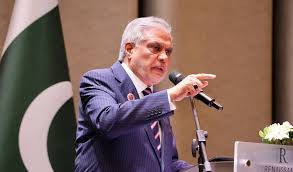
Addressing a seminar in Islamabad on the legal and constitutional framework of the Indus Waters Treaty, Pakistan’s Commissioner for Indus Waters Syed Muhammad Mehar Ali Shah revealed that he had written to his Indian counterpart four times since April 2025, when New Delhi unilaterally announced that it was placing the treaty in abeyance. Despite repeated correspondence, Pakistan has yet to receive any response.
Shah said his latest letter was sent only a day earlier after observing significant fluctuations in the Chenab River’s water flow. He stressed that these changes were far more serious than routine technical variations, describing them as a strategic concern that required immediate clarification.
He explained that timely exchange of hydrological data forms the backbone of the treaty, enabling downstream countries to distinguish between natural water fluctuations and upstream operational activities. Without such information, Pakistan is left uncertain whether changes in river flow are caused by natural conditions or deliberate human intervention.
According to Shah, the Indus Waters Commission exists precisely to examine such developments and prevent misunderstandings from escalating into larger disputes. He emphasized that no responsible downstream authority could ignore sudden fluctuations without seeking explanations.
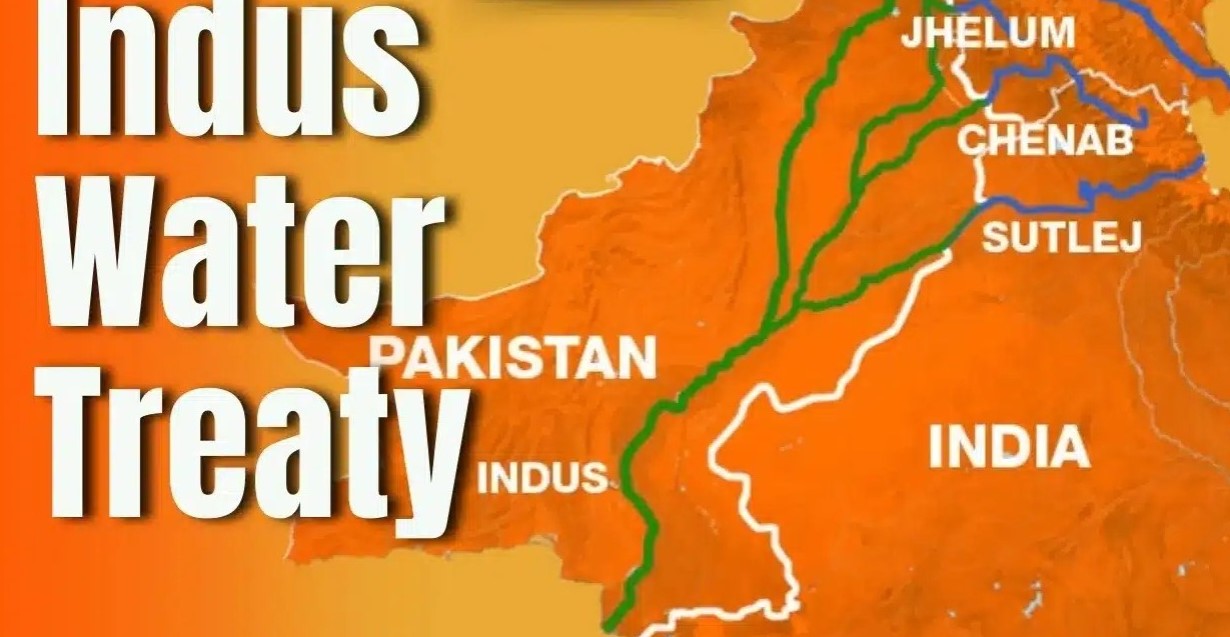
The Indus Waters Treaty, signed in 1960 under the auspices of the World Bank, allocates the eastern rivers—Ravi, Beas and Sutlej—to India, while Pakistan retains primary rights over the western rivers—Indus, Jhelum and Chenab. Besides water allocation, the agreement also establishes mechanisms for sharing hydrological data, conducting inspections and resolving disputes.
Shah noted that although India suspended the treaty, Pakistan continued fulfilling all its obligations by regularly sharing data, requesting commission meetings, seeking inspections, exchanging correspondence and invoking consultation mechanisms under Article 9 of the treaty.
However, he said India had not responded to any of these efforts. He added that the communication breakdown had begun even before the treaty was placed in abeyance, pointing out that the last meeting of the Permanent Indus Commission took place in May 2022, while inspections and routine data exchanges had remained suspended since August 2023.
Warning of the consequences, Shah said the absence of operational information significantly increases the possibility of avoidable tensions, stressing that hydrological data is not a diplomatic courtesy but an operational necessity essential for managing shared rivers safely.
The deterioration in communication follows India’s decision to suspend its treaty obligations after the April 2025 attack in Pahalgam, located in Indian-administered Kashmir, in which 26 tourists were killed. India blamed Pakistan for the attack without presenting evidence, allegations that Islamabad firmly rejected while calling for an independent international investigation.
Since then, several unusual fluctuations have reportedly been observed in the Chenab River, while Indian officials have publicly spoken about plans to restrict water flowing into Pakistan.
Shah reiterated Pakistan’s demand that India refrain from any unilateral manipulation of river flows and fully comply with the provisions of the treaty governing construction and operation of projects on the Indus river system.
Calling for an immediate revival of cooperation, he urged both countries to convene a meeting of the Indus Waters Commission, fully restore data sharing, resume inspections and end the suspension of treaty mechanisms.
“The future of the treaty lies in implementation, not abeyance,” Shah remarked, emphasizing that the commission must be allowed to perform its responsibilities.
Pakistan Supports Lawful Hydropower but Rejects Unilateral Control
Addressing concerns over Indian hydroelectric projects, Shah clarified that Pakistan does not oppose legitimate hydropower development. Instead, Islamabad objects to what it considers unlawful upstream control, excessive operational discretion and lack of transparency.
He warned that India’s reopening of low-level outlets at structures such as the Salal Dam and other reservoirs could allow repeated filling and emptying of reservoirs, giving New Delhi greater control over downstream river flows to Pakistan’s disadvantage.
Shah also voiced concern over India’s proposed Chenab-Beas Link Project, which reportedly aims to divert approximately 1.9 million acre-feet of water from the Chenab River.
He argued that while an individual project could be examined under treaty provisions, multiple accelerated projects combined with suspension of inspections and data sharing indicate a broader strategic pattern rather than isolated infrastructure development.
Referring to Article 3 of the treaty, Shah maintained that India has no legal authority to divert surplus waters from the western rivers into eastern river basins, warning that such actions would fundamentally alter the treaty’s original balance.
Regarding the Salal Dam, he recalled that a 1978 bilateral agreement required permanent sealing of certain outlet structures. If reopening those outlets became necessary for safety reasons, India would be obligated to immediately notify Pakistan, conduct consultations and permit inspections.
Court of Arbitration Reaffirmed Treaty Validity
Discussing dispute resolution under Article 9 of the treaty, Shah said the mechanism was specifically designed to prevent deadlock by allowing disputes to proceed to neutral international forums when bilateral efforts fail.
He recalled that Pakistan approached the Court of Arbitration in 2016 regarding India’s hydroelectric projects on the western rivers and subsequently secured arbitration awards in 2025 and again in May 2026.
According to Shah, the court confirmed that India’s refusal to participate could not halt proceedings, the unilateral suspension of the treaty could not invalidate the court’s jurisdiction, arbitration decisions remain final and binding, and India must continue allowing the western rivers to flow except under clearly defined treaty exceptions.
He said these findings represented the treaty speaking through its own legal institutions rather than merely reflecting Pakistan’s political position.
Water Security Linked to National Security
Describing the treaty as vital to Pakistan’s survival, Shah said the Indus Basin supports more than 240 million people, irrigates over 80 percent of Pakistan’s cultivated land, contributes nearly one-quarter of the national economy and provides employment for almost one-third of the workforce.
He warned that uncertainty over river flows directly translates into uncertainty for food security, agriculture and national stability.
Calling the treaty a conflict-prevention mechanism, Shah stressed that Pakistan had consistently exercised restraint but would continue protecting every drop of water legally guaranteed under the agreement through diplomatic and legal means.
Information Minister Calls Water an Inalienable National Right
Opening the seminar, Information Minister Attaullah Tarar described the Indus Waters Treaty as both an instrument of peace and a lifeline for Pakistan.
He said the 240 million people of Pakistan possess an inalienable right to the waters of the Indus River System, emphasizing that water is not merely a natural resource but the foundation of the country’s identity, economy and civilization.
Tarar noted that the Indus Valley Civilization shaped Pakistan’s historical identity and that the Indus River has connected the country’s people for thousands of years.
He highlighted that the treaty, signed under World Bank supervision in 1960, has survived wars and prolonged political tensions because of its commitment to cooperation, dialogue and respect for international obligations.
The minister rejected India’s unilateral decision to suspend the agreement, arguing that the treaty can only be amended, revised or terminated through mutual consent between both countries.
He said India’s attempt to place the treaty in abeyance had damaged its international standing and lacked legal, moral and diplomatic justification.
Tarar further warned that attempts to weaponise water or alter long-standing international agreements undermine regional peace, international law and global confidence in treaty obligations.
Referring to growing climate challenges, including glacier melting and increasing water scarcity, he urged South Asian countries to transform water from a source of conflict into a basis for cooperation.
The minister reiterated that Pakistan remains committed to peaceful dialogue and faithful implementation of the treaty but made it clear that the country’s civilian and military leadership is fully prepared to safeguard Pakistan’s water rights if they are threatened.
Concluding his address, Tarar reaffirmed Pakistan’s determination to defend the sanctity of the Indus Waters Treaty through legal, diplomatic and international forums while protecting the water rights and livelihoods of the Pakistani people.