













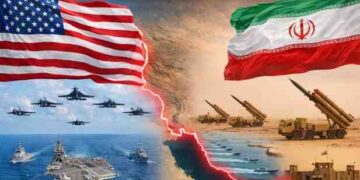


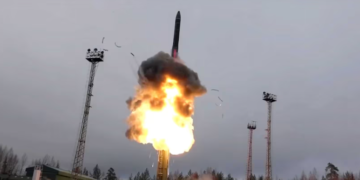



























Iran launched its first missile attack on Israel since a ceasefire took effect in April, triggering air raid sirens across Israel and raising fears of a wider regional conflict as the Middle East war entered its 100th day.

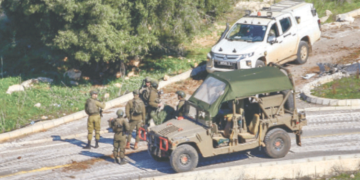
The missile barrage came hours after Israel carried out strikes on Beirut’s southern suburbs, targeting what it described as a Hezbollah command centre in the Dahiyeh district. According to Lebanese health authorities, the attack killed two people and injured at least 20 others.
Iran’s Revolutionary Guards (IRGC) described the missile launch as a “warning” and warned that any further Israeli aggression would provoke a broader response targeting US and Israeli interests across the region. Iranian military officials accused Israel of having “crossed all red lines” through its continued military actions in Lebanon.
Israel’s military reported multiple waves of incoming missiles and said its air defence systems were actively intercepting threats. In response to the escalating situation, the US embassy in Jerusalem instructed its staff and their families to remain in shelters.
Iranian Parliamentary Speaker Mohammad Bagher Ghalibaf, who is also leading Tehran’s negotiations with Washington, accused the United States of giving a “green light” to the Beirut strike and declared that American and Israeli assets had become “legitimate targets.”
Following the attack, Iran closed airspace over its western region, while neighbouring Iraq and Syria also imposed airspace restrictions as a precaution.
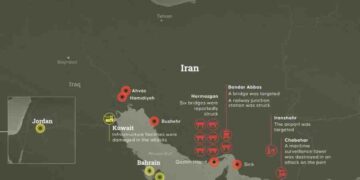
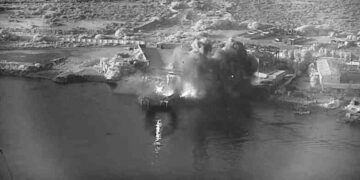
The developments came amid rising military activity in the Gulf. US Central Command said it had destroyed several Iranian drones and radar installations that posed threats to international shipping in the Strait of Hormuz, stressing that American forces remained prepared to respond to further aggression.
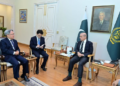
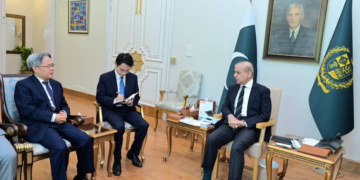
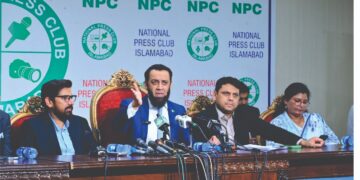
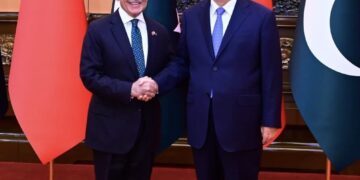
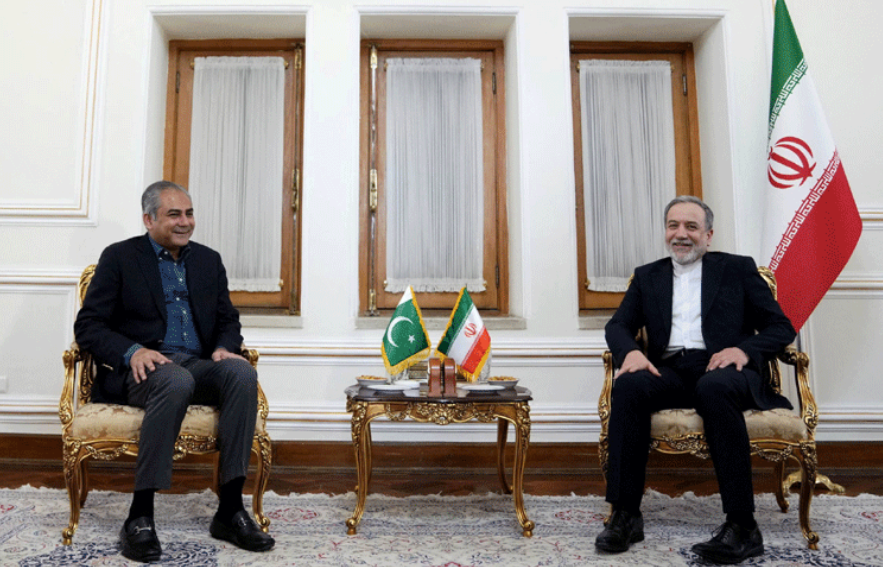
Despite the escalation, diplomatic engagement continued. Iranian Foreign Minister Abbas Araghchi held discussions with several regional and international counterparts, while Pakistan’s Interior Minister Mohsin Naqvi visited Tehran to discuss bilateral relations and the ongoing diplomatic efforts aimed at ending the conflict.
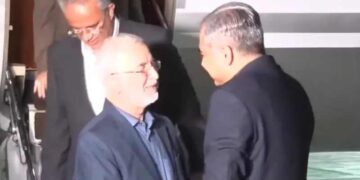
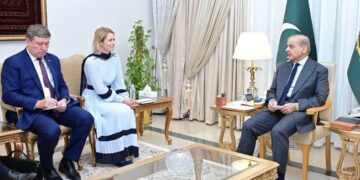
During his visit, Naqvi met Araghchi and delivered a letter from Prime Minister Shehbaz Sharif addressed to Iran’s Supreme Leader, Ayatollah Mojtaba Khamenei. Both sides reviewed the status of diplomatic initiatives and discussed ways to strengthen cooperation between the neighbouring countries.
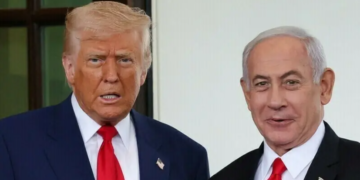
Meanwhile, US President Donald Trump urged restraint and warned against further retaliation. According to reports, Trump said he planned to speak with Israeli Prime Minister Benjamin Netanyahu to discourage additional military action.
“Each of them had their fun. Israel had its strike and Iran had its strike. We don’t need another one,” Trump said. He added that the Iranian missile attack caused no casualties and expressed hope that Israel would not respond militarily.
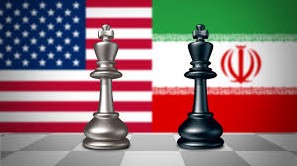
Trump also maintained that Washington and Tehran were close to reaching a peace agreement, stating, “We are very close to a final deal with Iran. It is going to be a good deal. I don’t want it to blow up because of what is happening now.”
In a separate interview, Trump said an agreement could be reached within days but urged Tehran to “get back to the table and make a deal.” He also voiced dissatisfaction with Israel’s strike on Beirut, saying he was “not happy about it.”
Although negotiations remain ongoing, significant differences persist. Iranian officials continue to demand the release of frozen assets and relief from sanctions, while Washington has signalled that such concessions will only come after an initial agreement is reached.