



































TEHRAN (MNN): Iran’s Foreign Ministry spokesperson Esmaeil Baghaei has rejected any demand for Iran to hand over its highly enriched uranium to the United States, describing such a proposal as a “non-starter”.

According to Iran’s state-run IRNA news agency, Baghaei said negotiations would not move forward if discussions focused on Iran’s highly enriched uranium stockpile.
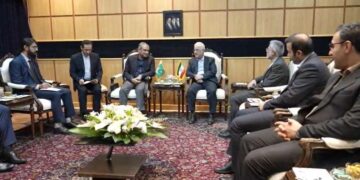
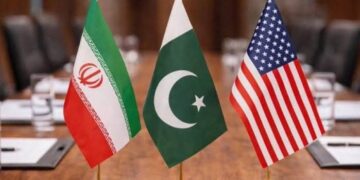
He also revealed that a delegation from Qatar was currently holding talks with Iranian Foreign Minister Abbas Araghchi, while reaffirming that Pakistan remained the main mediator in ongoing negotiations.
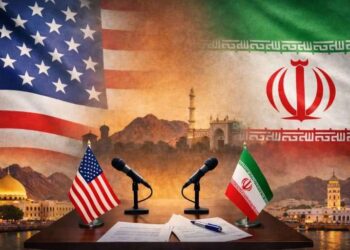
Baghaei stated that peace negotiations between Tehran and Washington were not close to reaching a breakthrough, adding that it was difficult to predict whether a deal could be achieved within weeks or months.
He said differences between the two countries remained “deep and significant” and clarified that the current focus of negotiations was on ending the conflict rather than discussing detailed nuclear issues.
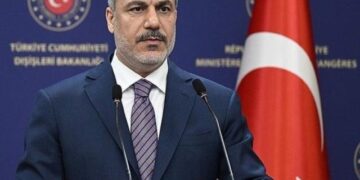
Meanwhile, US Secretary of State Marco Rubio met Turkish Foreign Minister Hakan Fidan to discuss the reopening and security of the Strait of Hormuz along with broader regional stability.
A commander of the Islamic Revolutionary Guard Corps’ Mohammad Rasul Allah Corps warned that Iran’s armed forces were “more prepared than ever before”.
According to Tasnim News Agency, the commander said Iran would respond “more forcefully and decisively” if any hostile action was taken against the country.
At the same time, the European Union announced amendments to its sanctions framework to target individuals accused of helping Iran threaten freedom of navigation in the Middle East.
The European Council said the updated measures would allow additional sanctions, including travel bans and asset freezes, in response to actions affecting shipping through the Strait of Hormuz.
Iranian Foreign Minister Abbas Araghchi also held a telephone conversation with Japanese politician Toshimitsu Motegi to discuss bilateral relations and recent regional developments.
Meanwhile, NATO Secretary-General Mark Rutte said Iran’s closure of the Strait of Hormuz affects the entire world and stressed the need to keep the strategic waterway open for international transit.
According to shipping data, a third Qatari liquefied natural gas tanker has successfully crossed the Strait of Hormuz and is heading toward China.
The vessel “Al Sahla”, carrying liquefied natural gas from Ras Laffan, is expected to arrive at China’s Tianjin LNG terminal on June 14.
The latest transit comes as a Qatari negotiating delegation arrives in Tehran in an attempt to support diplomatic efforts aimed at ending the conflict.
France is reportedly drafting a resolution for the United Nations Security Council to establish an international mission aimed at restoring safe movement through the Strait of Hormuz.
According to reports, the proposal may be presented if diplomatic conditions become favourable.
A separate US-Bahrain draft resolution demanding that Iran halt attacks and mining activities in the strait has already faced resistance from Russia and China, both of which previously vetoed a similar proposal, arguing it unfairly targeted Tehran.
Diplomatic sources said Washington has secured support from nearly 140 countries for its proposal, while France has so far declined to endorse the US-backed resolution.