
































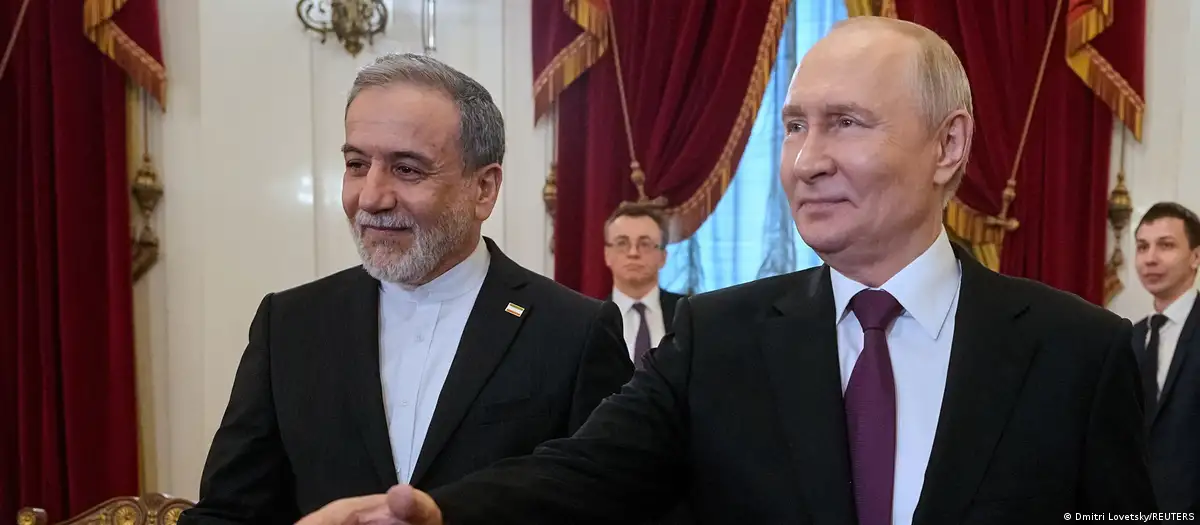
MOSCOW: Vladimir Putin pledged support for Iran during a meeting with Iranian Foreign Minister Abbas Araghchi in St. Petersburg on Monday, expressing hope for a swift resolution to the ongoing conflict.

During the talks, Putin emphasized Russia’s willingness to back Iran while advocating for peace in the region. According to Russian state media, he assured Araghchi that Moscow would act in ways that serve Iran’s interests and contribute to regional stability.
Russia, a long-standing ally of Iran, has so far avoided direct involvement in the Middle East conflict, remaining focused on its ongoing war in Ukraine. However, the latest meeting signals continued diplomatic alignment between Moscow and Tehran amid rising tensions.
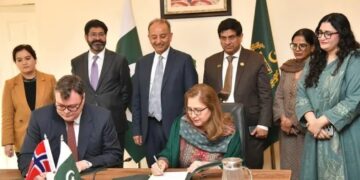
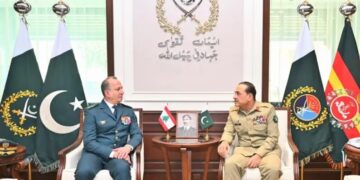
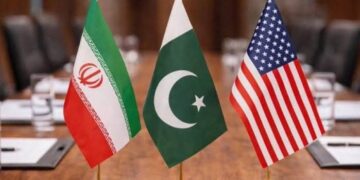
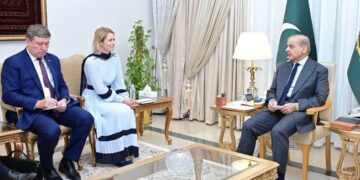
Araghchi’s visit to Russia comes after a series of regional diplomatic efforts, including trips to Pakistan and Oman, where he engaged with mediators to revive stalled negotiations between Tehran and Washington.
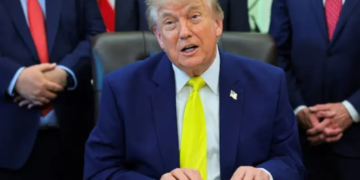
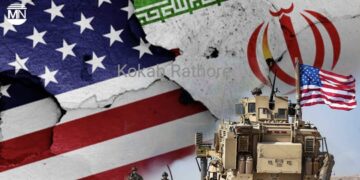
Recent reports suggest Iran has proposed reopening the Strait of Hormuz in exchange for postponing nuclear talks. The proposal has reportedly been acknowledged by Donald Trump, though Washington maintains a firm stance on its demands.
Speaking upon arrival in Moscow, Araghchi blamed the United States for the collapse of earlier negotiations held in Pakistan, accusing Washington of making excessive demands despite progress in talks. He also stressed the global importance of ensuring safe passage through the Strait of Hormuz, where disruptions have significantly impacted oil and gas supplies worldwide.
Diplomatic efforts remain ongoing, with Iran reportedly sending written messages to the US through mediators, including Pakistan, in an attempt to pave the way for renewed dialogue.
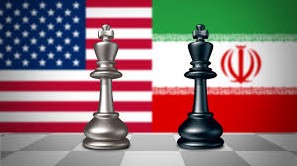
Meanwhile, Washington continues to increase pressure on Tehran, including maintaining restrictions on its fossil fuel exports and urging Iran to halt its uranium enrichment programme—an allegation Tehran denies, insisting its nuclear activities are solely for peaceful purposes.
The meeting between Putin and Araghchi underscores the intensifying geopolitical maneuvering surrounding the conflict, as global powers seek influence while cautiously avoiding direct escalation.