











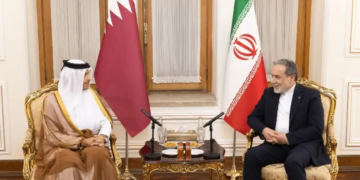


















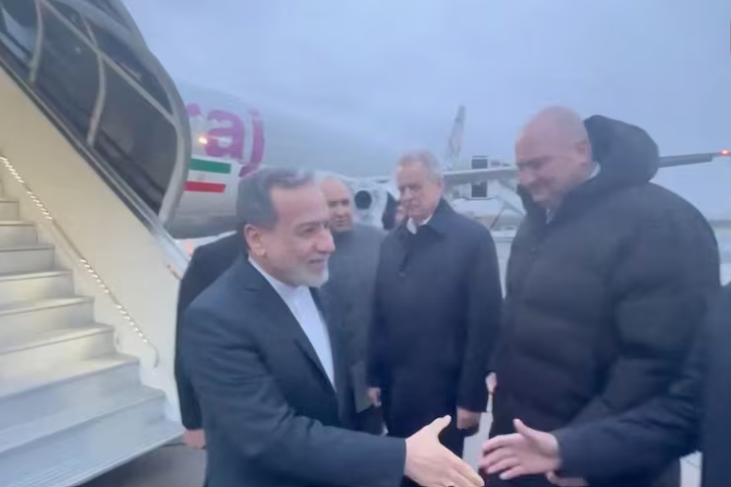
WASHINGTON/ISLAMABAD: U.S. President Donald Trump said Iran can directly contact Washington if it wants to negotiate an end to the two-month conflict, as Iranian Foreign Minister Abbas Araqchi arrived in Russia on Monday to seek support from President Vladimir Putin.

Speaking to Fox News, Trump said, “If they want to talk, they can come to us, or they can call us. You know, there is a telephone. We have nice, secure lines.”
He added that Tehran already knows Washington’s main condition for any agreement, saying, “They know what has to be in the agreement. It’s very simple: They cannot have a nuclear weapon; otherwise, there’s no reason to meet.”
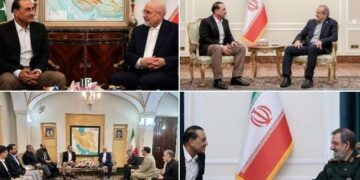
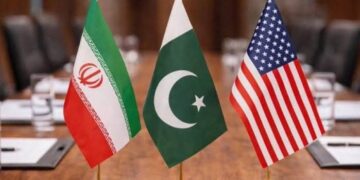
Peace efforts appeared to lose momentum after Trump cancelled a planned visit to Islamabad by his envoys Steve Witkoff and Jared Kushner on Saturday. Araqchi had been travelling between Pakistan and Oman for mediation talks before heading to Russia.
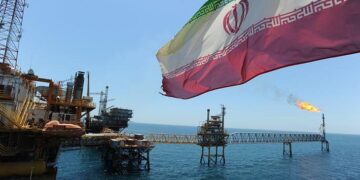
The two sides remain divided over major issues, including Iran’s nuclear programme and access through the Strait of Hormuz, a key global shipping route. Iran insists the U.S. must lift its blockade before formal negotiations can begin.
Following stalled talks over the weekend, oil prices rose by 2% while U.S. stock futures declined in Asian trading, reflecting concerns over continued disruption in Gulf shipping.
Although a ceasefire has reduced large-scale fighting since the conflict began with U.S.-Israeli strikes on Iran on February 28, no final agreement has been reached to end the war, which has caused heavy casualties, pushed up oil prices, and increased fears over global economic growth.
According to Axios, Iran recently sent a new proposal to the U.S. through Pakistani mediators regarding reopening the Strait of Hormuz and ending the war, while delaying nuclear discussions until a later stage.
Araqchi also returned to Islamabad after talks in Oman before flying to Russia. Iran’s ambassador to Russia, Kazem Jalali, said the foreign minister would meet Putin “in continuation of the diplomatic jihad to advance the country’s interests and amid external threats.”