








































WASHINGTON/TEHRAN (MNN); United States President Donald Trump has sharply criticized Israel for carrying out airstrikes on Lebanon’s capital, Beirut, saying the attack came at a critical moment when a peace agreement aimed at ending hostilities involving the United States, Israel, Iran and Lebanon was close to being finalized.

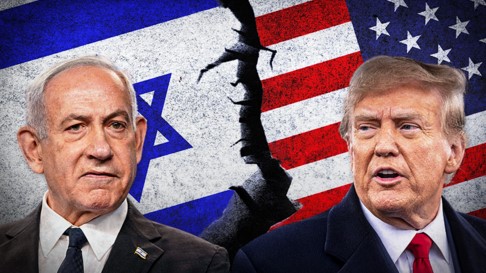
In a message posted on Truth Social, Trump said the Israeli strike on Beirut “should not have happened,” particularly when negotiations were nearing a breakthrough. He stated that all sides should exercise restraint, emphasizing that neither Israel nor Hezbollah should launch further attacks that could jeopardize efforts to achieve regional peace.
Trump described the developing agreement as a potential turning point for the Middle East, saying it could bring stability not only to Iran and Israel but also to Lebanon. He warned against any actions that might derail the diplomatic process.
Iran reacted strongly to the Israeli strikes, with the Foreign Ministry holding both Israel and the United States responsible for any dangerous consequences resulting from the attack. Iranian officials argued that the incident had once again raised doubts about Washington’s ability to uphold its commitments during ongoing negotiations.
Iranian Parliament Speaker Mohammad Bagher Ghalibaf said the attacks demonstrated either a lack of willingness or an inability on the part of the United States to honor its obligations. He questioned the future of negotiations if commitments could not be guaranteed.
Senior Iranian officials also warned of retaliation. Head of the Iranian parliament’s national security committee, Ebrahim Azizi, said a strong response was forthcoming, while Supreme National Security Council Secretary Mohammad Bagher Zolghadr declared that Iran would not tolerate violations of its red lines, describing Lebanon as an integral part of Iran’s strategic interests.
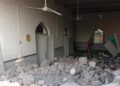
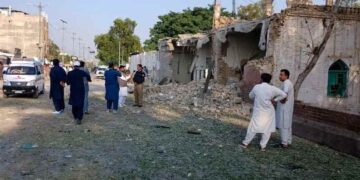
Lebanese authorities reported that at least three people were killed in the Israeli strikes on Beirut’s Dahiyeh district. Israeli Prime Minister Benjamin Netanyahu said the military operation was launched in response to projectiles fired by Hezbollah towards northern Israel.
However, Trump questioned whether the Israeli response was justified, arguing that the initial attack was minor and had caused no casualties. He said such incidents should not be allowed to disrupt a potentially historic peace process.
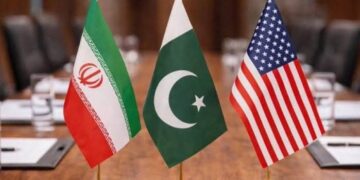
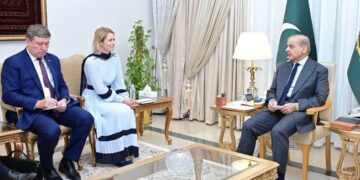
The US president revealed that an agreement with Iran had been scheduled for signing on Sunday, with Pakistan reportedly serving as a key mediator and indicating that the signing would take place digitally. Although Trump later acknowledged that the process had been delayed by several hours because of the Beirut strikes, he insisted that negotiations remained on track.
Expressing frustration with Netanyahu, Trump said he was angered by the timing of the Israeli operation, which occurred shortly before the anticipated signing of the agreement. He suggested that the attack risked undermining months of diplomatic efforts.
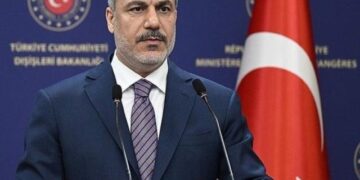
Iranian Foreign Ministry spokesman Esmaeil Baghaei offered a slightly different timeline, saying the signing process could still take several days. Nevertheless, officials from both sides indicated that a memorandum of understanding aimed at ending hostilities across multiple fronts was closer than ever.
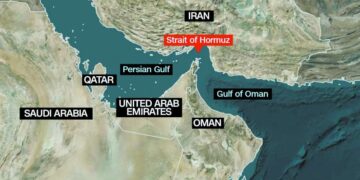
According to preliminary indications, the proposed agreement would keep the Strait of Hormuz open, end the US naval blockade, and immediately halt military operations. More complex issues, including Iran’s nuclear programme, sanctions relief, and access to frozen Iranian assets, would be discussed during a 60-day follow-up period.
Analysts said the Israeli strikes may have been intended as a test of the diplomatic process. Political observers noted that Israel has long sought to separate Lebanon-related issues from broader negotiations with Iran, while domestic political considerations ahead of Israeli elections may also have influenced the timing of the operation.
Meanwhile, former US President Barack Obama said it was unlikely that any future agreement with Iran would be significantly better than the 2015 nuclear accord negotiated during his administration. He argued that lasting solutions could not be achieved solely through military pressure, stressing the importance of diplomacy in resolving international disputes.