


























































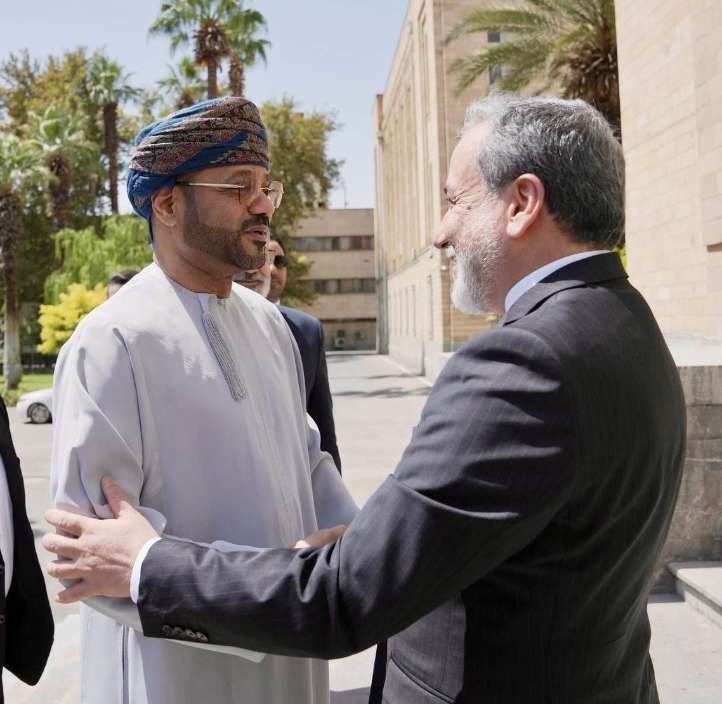
TEHRAN/ISLAMABAD (MNN); Oman and Iran have held what both sides described as constructive discussions in Tehran on restoring safe navigation through the Strait of Hormuz, with Muscat expressing hope that a temporary maritime corridor and practical arrangements could soon be announced.

Oman’s Foreign Minister Sayyid Badr Albusaidi, following talks with his Iranian counterpart Dr Abbas Araghchi, said the discussions had focused on finding a practical way forward amid the current situation in the strategically important waterway.
In a post on X, Albusaidi described the dialogue as constructive and expressed hope that the two countries would soon announce a temporary corridor through the Strait of Hormuz along with practical arrangements aimed at restoring safe maritime navigation.
He said discussions on the future management of the Strait and a permanent solution would follow in due course under the framework envisaged in Article 5 of the Islamabad Memorandum of Understanding.
The Omani foreign minister added that consultations with regional partners would also continue in support of peace, cooperation, regional stability and freedom of navigation.
According to a joint statement issued by Iran’s Foreign Ministry, the foreign ministers of Iran and Oman discussed a “phased framework” that could provide a practical and enforceable basis for addressing issues related to navigation through the Strait of Hormuz.
The proposed framework includes the establishment of a joint temporary maritime corridor through the waterway and an agreement to undertake a joint project for clearing mines from the Strait.
The two sides said technical negotiations would continue with the objective of reaching an agreement on a permanent maritime corridor, the future management of the Strait and a mechanism for information sharing, traffic management and the provision of relevant maritime and security services.
Both ministers also stressed the importance of consultations with neighbouring countries bordering the waters of the Persian Gulf. They underlined the need to respect applicable international law as well as the sovereignty of coastal states.
The Strait of Hormuz remains one of the world’s most strategically important maritime chokepoints, and the restoration of safe navigation has become a major focus of regional and international diplomatic efforts.
Meanwhile, US President Donald Trump claimed that all mines placed in the Strait of Hormuz had either been removed or destroyed. In a post on Truth Social, Trump said the US Navy had informed Iran that any vessel attempting to lay new mines would face immediate action.
He said the United States was closely monitoring activities throughout the Strait and maintained a “zero-tolerance” policy regarding the placement of mines.
Iranian officials, however, have rejected US claims regarding control and security in the waterway. Iranian lawmaker Ebrahim Rezaei said the Strait of Hormuz remained under Iran’s control and maintained that no military power could undermine Tehran’s determination regarding the strategically vital passage.
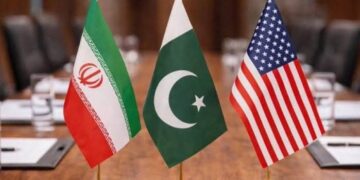
Iranian President Dr Masoud Pezeshkian, meanwhile, defended the Islamabad Memorandum of Understanding between Iran and the United States, saying it was not an act of capitulation but a decision based on “logic and awareness”.
According to Iran’s ISNA news agency, President Pezeshkian said the majority of the Supreme National Security Council had accepted the memorandum after taking into consideration the principles of wisdom, dignity and national expediency.
The latest Oman-Iran dialogue is being seen as part of wider regional efforts to de-escalate tensions and establish an acceptable mechanism for the resumption of commercial and maritime traffic through the Strait.