



























































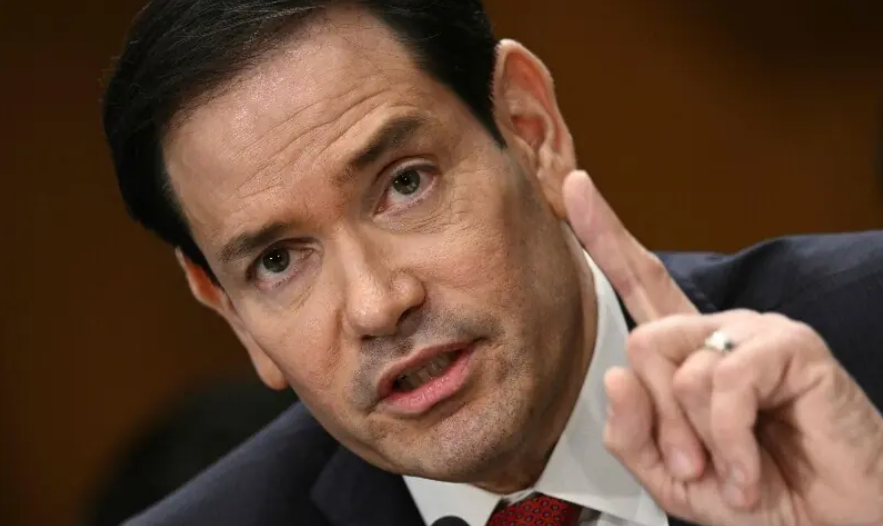
WASHINGTON: US Secretary of State Marco Rubio on Tuesday told lawmakers that Iran has agreed to begin limited negotiations over its nuclear programme, describing it as a cautious but notable shift in Tehran’s position amid ongoing conflict and instability in the Middle East.

Rubio said Iran had shown willingness to discuss certain elements of its nuclear programme that it had previously refused to address. However, he stressed that this does not guarantee any final agreement to end the US-Israeli confrontation with Iran.
“They have agreed to negotiate aspects of their nuclear programme that just a month ago, just a year ago, they were refusing to even mention,” Rubio said.
He added that reaching a deal “is not a guarantee that ultimately it will lead to a deal that’s acceptable” to Congress, noting that Iran’s internal instability has complicated the diplomatic process.
Rubio also clarified that the US administration had not offered sanctions relief in exchange for Iran opening the Strait of Hormuz, saying any easing of restrictions would depend on Tehran meeting nuclear-related conditions.
US officials described the talks as preliminary and conditional, with key disagreements still unresolved over sanctions relief, uranium enrichment limits, and broader regional security concerns.
Despite the tentative diplomatic opening, lawmakers remain doubtful that a lasting agreement can be reached as fighting continues and ceasefire efforts remain fragile.
Rubio made the remarks during a Senate Foreign Relations Committee hearing focused on the State Department’s $36 billion budget request, his first appearance before lawmakers since the outbreak of the Iran conflict.
The hearing reflected growing political concern over the administration’s handling of the crisis, with debates over military escalation, diplomatic breakdowns, and wider regional risks involving Lebanon, Israel, and key shipping routes.
Senator Jeanne Shaheen criticised the administration for failing to provide Congress with timely updates on military and foreign policy decisions, warning that lawmakers were often informed only after decisions had already been made.
Committee Chair James Risch noted that this was Rubio’s first appearance since the conflict began, highlighting unease among some lawmakers over reduced congressional oversight.
The session briefly faced disruption as protesters inside the hearing room chanted slogans directed at Rubio before being removed by security. Smaller groups demonstrating outside were also detained.