











































































ISLAMABAD (MNN); Deputy Prime Minister and Foreign Minister Ishaq Dar has warned that India’s growing network of water infrastructure projects on rivers covered under the Indus Waters Treaty (IWT) could provide New Delhi with the means to exercise “hydro-hegemony” over Pakistan.

Addressing a seminar titled “Transboundary Water Resources: A Weaponised Global Common”, jointly organised by Pakistan’s Embassy in Brussels and the Centre for European Policy Studies, Dar said India’s recent actions and statements regarding water resources had raised serious concerns for regional peace and stability.
His remarks come amid escalating tensions over the Indus Waters Treaty following India’s decision in 2025 to place the agreement in abeyance after a brief military confrontation with Pakistan. More recently, Indian officials stated that New Delhi was working to ensure that no water flowed into Pakistan, a position Islamabad has described as unacceptable and potentially tantamount to an act of war.
Dar stressed that shared natural resources require cooperation and adherence to agreed frameworks, warning that competing national interests can transform such resources into instruments of conflict.
Quoting former UN Secretary-General Kofi Annan, he noted that disputes over shared water resources are often rooted in governance failures rather than scarcity and that water should serve as a bridge for peace and regional integration rather than a trigger for confrontation.
The foreign minister reaffirmed Pakistan’s commitment to international law and the principles of the United Nations Charter, recalling that Pakistan and India signed the World Bank-brokered Indus Waters Treaty in 1960 to establish a framework for managing the six rivers of the Indus Basin.
He described the treaty as one of the most enduring agreements in modern history, having survived multiple wars and decades of political tensions. Dar said Pakistan had previously raised concerns over Indian projects through legal and treaty-based mechanisms and had respected international decisions even when they fell short of Islamabad’s expectations.
However, he said Pakistan was now facing a more serious challenge as India had combined aggressive rhetoric with actions that Islamabad considers unlawful under the treaty.
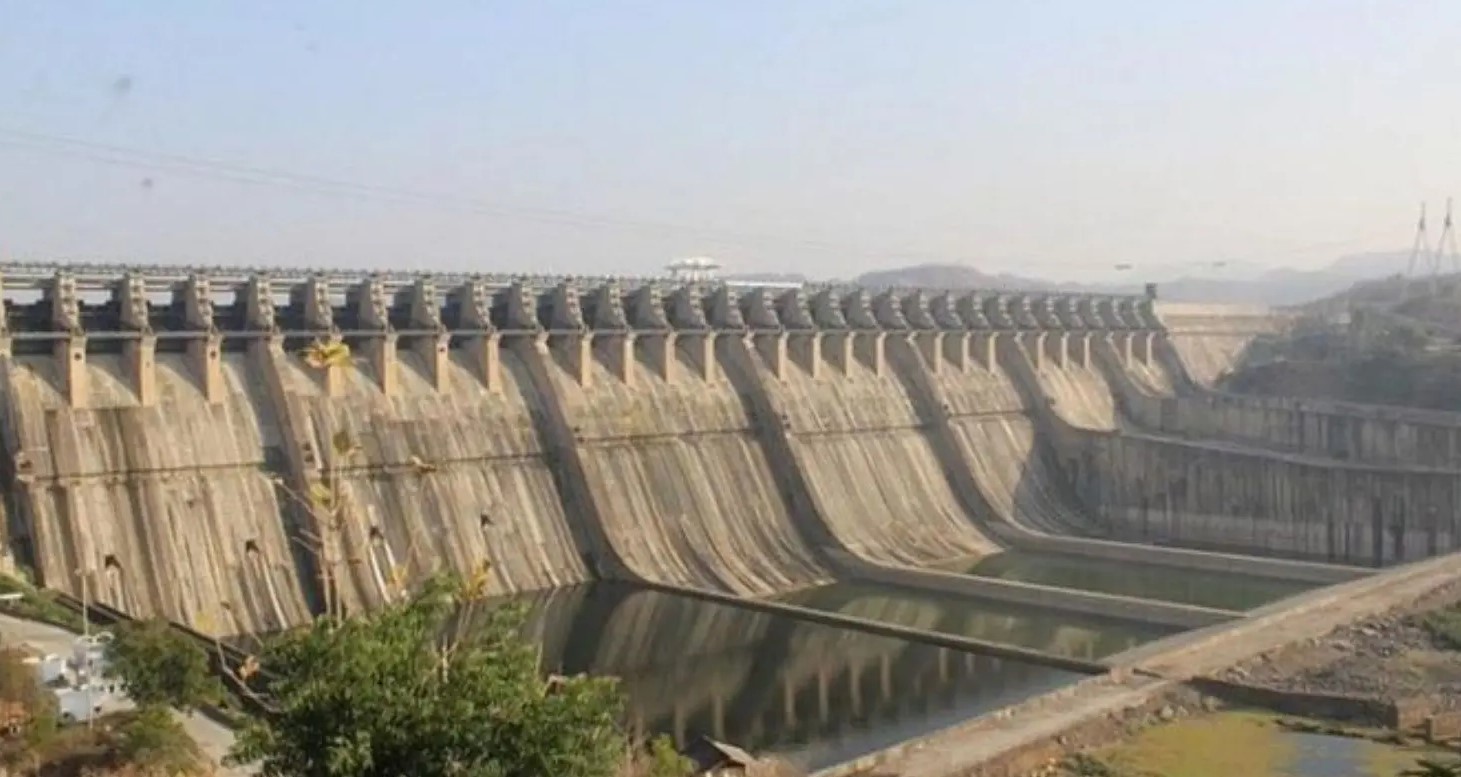
Dar pointed to several Indian hydroelectric and diversion projects, including the Sawalkot, Kirthai and Kwar projects on the Chenab River, as well as the expansion of the Baglihar and Salal dams and additional diversion schemes on the Indus, Chenab and Ravi rivers.
According to the deputy prime minister, at least 17 such projects could significantly alter the river system and provide India with unprecedented control over water flows.
“River systems are lifelines, not merely waterways,” Dar said, warning that any deliberate attempt to deprive approximately 240 million Pakistanis of water would create a humanitarian and environmental crisis of enormous proportions.
He emphasised that water should never be used as a tool of coercion and called for stronger international cooperation in managing transboundary water resources. He added that Europe offers valuable examples of successful water-sharing arrangements that promote regional stability and prosperity.
Dar reiterated that Pakistan remains committed to resolving all disputes through dialogue, diplomacy and international legal mechanisms, stressing that sustainable solutions can only emerge through cooperation and respect for treaty obligations.
Highlighting Pakistan’s vulnerability to climate change, he noted that the country contributes less than one per cent of global greenhouse gas emissions yet remains among the nations most affected by climate-related challenges.
The deputy prime minister urged the international community to uphold the sanctity of treaties and support cooperative approaches to water governance, saying shared water resources should unite nations rather than divide them.
The Indus Waters Treaty allocates the eastern rivers — Ravi, Beas and Sutlej — to India, while the western rivers — Indus, Jhelum and Chenab — are primarily reserved for Pakistan. The agreement has long been viewed as a cornerstone of cooperation between the two countries.
Pakistan maintains that India’s decision to suspend its treaty obligations and pursue new water diversion projects violates international law. Islamabad has also welcomed recent rulings by the Permanent Court of Arbitration affirming limits on India’s ability to control water flows on rivers allocated to Pakistan.
Concerns have intensified following reports that India plans to launch the Chenab-Beas Link Project in August, which aims to divert significant volumes of water from the Chenab River into the Beas basin. Pakistan’s Foreign Office has described the proposal as a serious breach of the treaty and broader principles of international water law.