




































































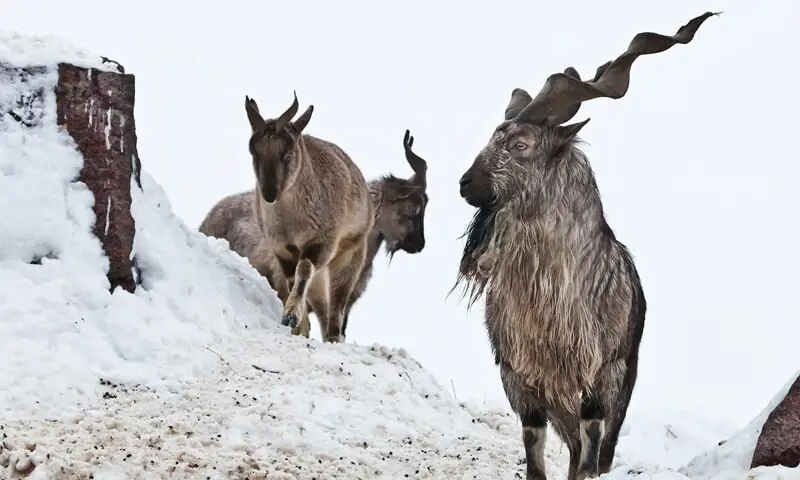
GILGIT (MNN); The Gilgit-Baltistan Parks and Wildlife Department has announced the auction of hunting permits for three Astore markhor, 14 blue sheep and 100 Himalayan ibex under the GB Trophy Hunting Programme for the 2026-27 season.

The highest base price has been fixed for the Astore markhor at $200,000, while permits for blue sheep will start at $25,000 and Himalayan ibex permits at $11,000.
According to the official auction notice, Gilgit-Baltistan has an exportable quota of four Astore markhors. However, one permit was carried forward from the previous hunting season, leaving three permits available for auction this year.
Open bidding will be held on September 10 at the Forest Complex in Jutial, Gilgit. Trophy hunting will be permitted from October 15, 2026, to April 10, 2027, strictly in designated conservation areas and under the GB Trophy Hunting Guidelines 2019.
Officials said the hunting quota was determined on the basis of annual wildlife population surveys conducted by experts.
GB Chief Conservator Parks and Wildlife Zakir Hussain said the department collected around Rs350 million from permit auctions last year, against a target of Rs550 million. He said several permits remained unused during the 2025-26 season, including permits for two Astore markhors, five blue sheep and 10 Himalayan ibexes, resulting in an estimated revenue loss of Rs200 million.
According to officials, cancellations by foreign hunters amid the law and order situation in Gilgit-Baltistan affected the previous trophy hunting season.
Meanwhile, local business owners and tour operators have expressed concern over substantial increases in permit prices during the past two years. They argue that higher rates have made Gilgit-Baltistan less competitive in the international hunting market and discouraged foreign clients.
Hunting equipment dealer Ikram Beg said the repeated increases in baseline permit prices had created serious challenges for the trophy hunting and conservation programme. He warned that excessive pricing could reduce international participation, affect revenue and weaken incentives for local communities to protect wildlife.
Local stakeholders have called on the authorities to review and rationalise permit rates in consultation with local communities, conservation experts and tourism and hunting industry representatives.
Supporters of the trophy hunting programme maintain that, despite international controversy, regulated hunting generates funds for wildlife conservation, discourages poaching and provides financial benefits to communities living near conservation areas.
The programme was launched in Gilgit-Baltistan with community participation in Bar Valley, Nagar, in 1990. Around 80 per cent of licence revenue is allocated to local communities for wildlife protection and conservation.
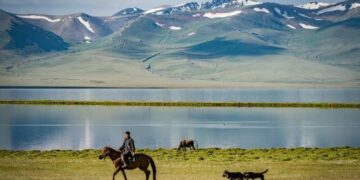
Gilgit-Baltistan is home to a rich variety of wildlife, including markhor, ibex, blue sheep, Marco Polo sheep, urial, snow leopards, bears, wolves and golden eagles. However, many species continue to face threats from illegal hunting, poor wildlife management and climate change.