





















































By Aslam Dogar

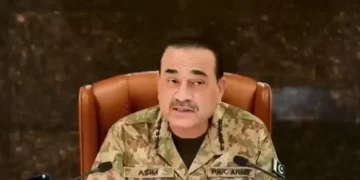
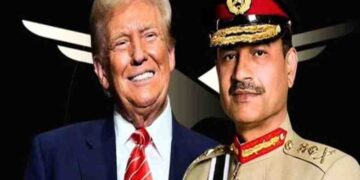
TEHRAN/ISLAMABAD (MNN); Pakistan’s Chief of Defence Forces (CDF) and Chief of Army Staff (COAS), Field Marshal Syed Asim Munir, has concluded what Pakistani and Iranian officials described as a positive and productive visit to Tehran, amid intensified diplomatic efforts to prevent further regional escalation and seek a negotiated settlement between Iran and the United States.
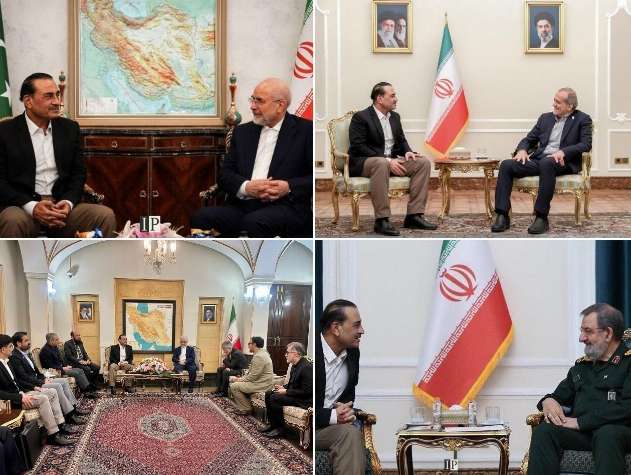
Field Marshal Asim Munir visited Tehran on August 24 along with Interior Minister Mohsin Naqvi, where meetings were held with Iran’s political and military leadership, including President Masoud Pezeshkian. According to Pakistani officials, discussions focused on regional peace, preventing further escalation and exploring ways to reach a negotiated settlement.
A key issue discussed during the meetings was the reopening of the Strait of Hormuz and the restoration of normal maritime navigation through the strategically vital waterway.
Seyed Mehdi Tabatabaei, Deputy for Communications and Information at the Iranian president’s office, described Field Marshal Munir’s visit as “highly fruitful” and said it had produced valuable diplomatic achievements. In a post on X, he rejected suggestions that the visit had been unproductive, saying its positive results would soon become apparent.
Interior Minister Mohsin Naqvi also termed the discussions with President Pezeshkian positive and productive. Pakistan’s military, in its statement following the visit, similarly described the engagement as successful and constructive.
Iranian media, meanwhile, reported that Tehran had communicated its position and conditions regarding the Strait of Hormuz to the United States through Pakistani mediators. Reports circulating in regional media have suggested that diplomatic efforts are focused on reducing tensions, restoring freedom of navigation and creating conditions for wider negotiations between Washington and Tehran.
Qatar has also voiced support for mediation, with its Foreign Ministry describing US sanctions on Iran as unilateral and reaffirming Doha’s backing for diplomatic initiatives aimed at easing tensions.
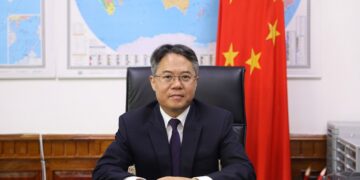
China, meanwhile, has criticized unilateral sanctions against Iran and said it would protect its legitimate economic and commercial interests as one of Tehran’s important trading partners.
In another development, the New York Times reported that the US State Department was preparing to return diplomats to several Middle Eastern embassies that had been evacuated or reduced in strength before and during the conflict with Iran. The report said staffing levels could be restored at missions in countries including Saudi Arabia, Qatar, Oman, Kuwait, Iraq, Jordan, Lebanon and Israel.
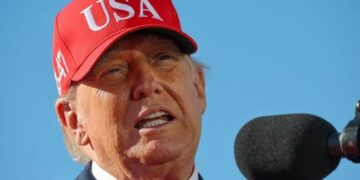
At the same time, signals from Washington regarding Iran remain mixed. While diplomatic contacts and mediation efforts continue, the Trump administration is also reportedly considering broader secondary sanctions against entities and countries maintaining business ties with Iran.
Iranian officials have dismissed the effectiveness of new sanctions, maintaining that Tehran has developed mechanisms to withstand economic pressure.
Separately, French President Emmanuel Macron and Saudi Crown Prince Mohammed bin Salman, following talks in Paris, stressed the need for a negotiated solution to prevent further escalation and safeguard regional security. They also called for the restoration of normal navigation in the Strait of Hormuz and renewed diplomatic engagement.
The developments indicate that Pakistan’s mediation efforts, particularly Field Marshal Asim Munir’s Tehran visit, have emerged as an important part of a wider diplomatic push involving regional and international powers. Iranian officials have expressed optimism that the outcome of the visit will become clearer in the coming days.