

















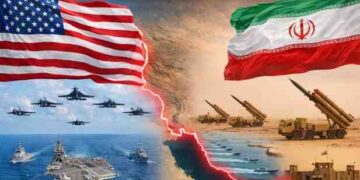




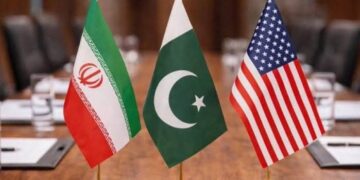




























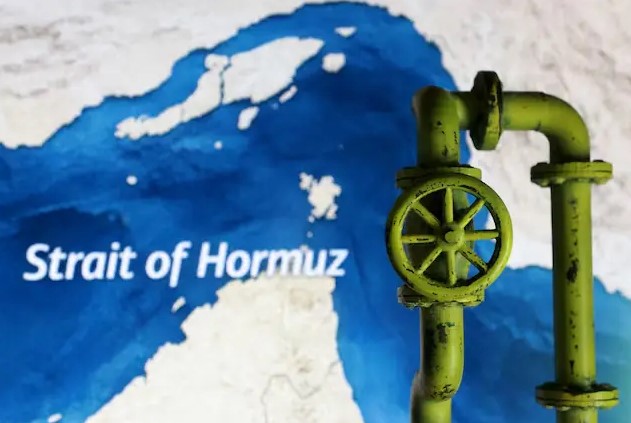
TEHRAN (MNN); Iran has conveyed a detailed response to a US proposal aimed at ending the ongoing war, rejecting the idea of a temporary ceasefire and instead stressing the need for a permanent resolution to the conflict, according to the official IRNA news agency on Monday.

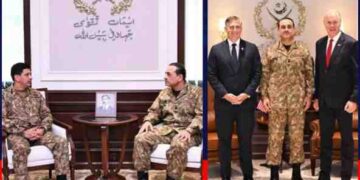
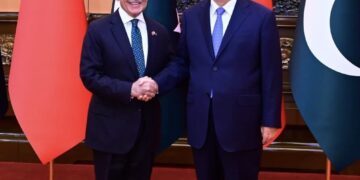
The Iranian response, transmitted through intermediary Pakistan, consists of 10 key clauses. These include a complete end to regional hostilities, guarantees for safe navigation through the Strait of Hormuz, lifting of international sanctions, and commitments toward post-war reconstruction.
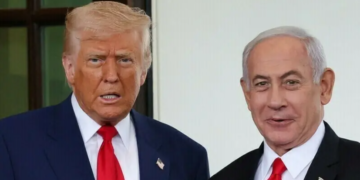
US President Donald Trump, who has warned Tehran of severe consequences if it fails to reach an agreement by his set deadline, dismissed the Iranian proposal. Speaking to reporters at a White House Easter event, Trump acknowledged that while Iran’s offer represented a significant step, it ultimately fell short of US expectations. He reiterated that the deadline remains final.
Tensions have escalated since Iran responded to US and Israeli attacks in February by effectively closing the Strait of Hormuz, a strategic waterway responsible for nearly one-fifth of global oil and natural gas shipments. The move has heightened global economic concerns and strengthened Iran’s leverage in negotiations.
Iran’s Foreign Ministry spokesperson Esmaeil Baghaei stated that Tehran’s demands should not be viewed as concessions but as a demonstration of confidence in defending its national interests. He also noted that earlier US proposals, including a 15-point plan, were rejected by Iran for being excessive.
Meanwhile, Anwar Gargash, an adviser to the UAE president, emphasised that any future agreement must ensure uninterrupted access through the Strait of Hormuz. He cautioned that failure to address Iran’s nuclear programme and its missile and drone capabilities could lead to a more volatile Middle East.
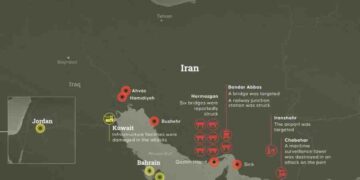
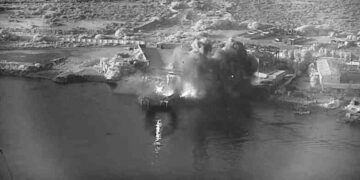
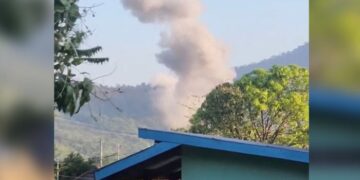
Fresh aerial strikes were reported across the region on Monday, marking over five weeks since the US and Israel launched military operations against Iran. The conflict has resulted in thousands of casualties and significant economic disruptions, particularly through rising global oil prices.
Iranian state media reported that Majid Khademi, intelligence chief of the Revolutionary Guards, was assassinated, with Israel claiming responsibility for the attack. Additionally, a US-Israeli strike targeted a data centre at Sharif University of Technology in Tehran, damaging infrastructure linked to Iran’s national artificial intelligence systems and other services, according to Fars News Agency.