

























ISTANBUL: Turkish authorities have arrested more than 200 people allegedly linked to far-left organisations as security measures intensify ahead of a major Nato summit scheduled to take place in Ankara next month.

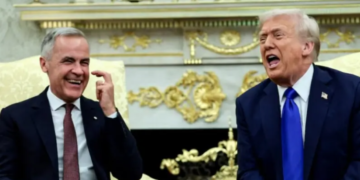
The summit, set for July 7-8, is expected to bring together world leaders, including US President Donald Trump.
According to the Ankara prosecutor’s office, arrest warrants were issued for 241 individuals, with anti-terrorism police detaining 209 people during early morning operations on Tuesday.
Authorities said that 185 of those arrested are suspected of having ties to several far-left groups, including the Revolutionary People’s Liberation Party-Front (DHKP-C), which Turkey designates as a terrorist organisation and has been linked to past attacks.
Human rights organisations and local media reported that those detained included journalist Yildiz Tar, editor-in-chief of LGBTQ publication Kaos GL, as well as three lawyers, an academic and a labour union official.
The Media and Law Studies Association (MLSA) confirmed Tar’s detention, while the Progressive Lawyers Association (CHD) said two of its members were arrested in Ankara and another in Istanbul.
Local newspaper Gazete Oksijen reported that an academic from Ankara University’s economics department and a trade union representative were also among those taken into custody.
Reporters Without Borders (RSF) criticised the arrest of Tar, with its Turkey representative Erol Onderoglu describing the detention as “unacceptable” and calling for the journalist’s immediate release.
He argued that preparations for the Nato summit could not justify what he described as an “arbitrary” detention carried out under the guise of security concerns.
Turkish authorities said the operation formed part of wider security efforts targeting multiple organisations ahead of the high-profile international gathering.
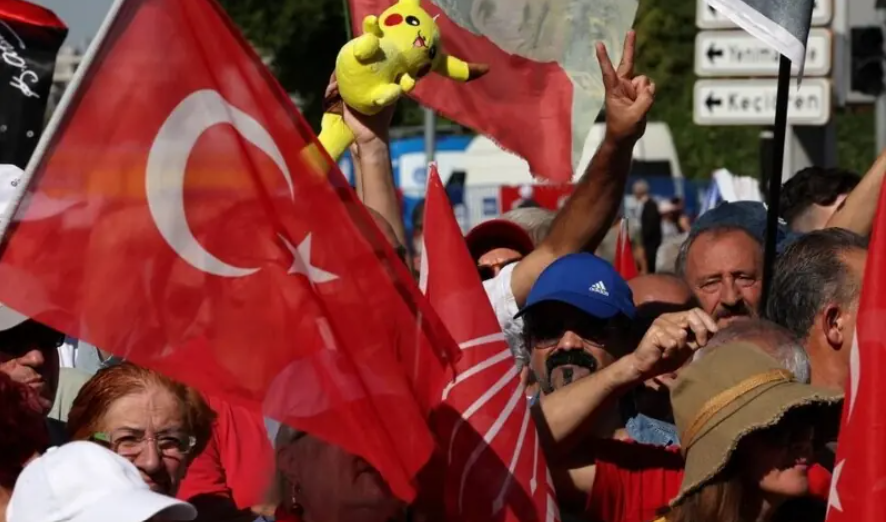
In a separate announcement, the Ankara governor’s office imposed a ban on all demonstrations and public gatherings from June 28 until the conclusion of the summit, stating that the measure was necessary “to ensure summit security and maintain public order”.
The restrictions and mass arrests have drawn criticism from rights groups, which have expressed concern over the impact of the security crackdown on civil liberties and freedom of expression in the lead-up to the Nato meeting.