
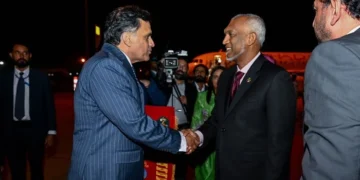















































ISLAMABAD (MNN); The long-delayed Iran-Pakistan (IP) Gas Pipeline project has once again come under discussion as Islamabad and Tehran explore avenues to enhance economic and energy cooperation during the visit of Iranian President Dr. Masoud Pezeshkian.

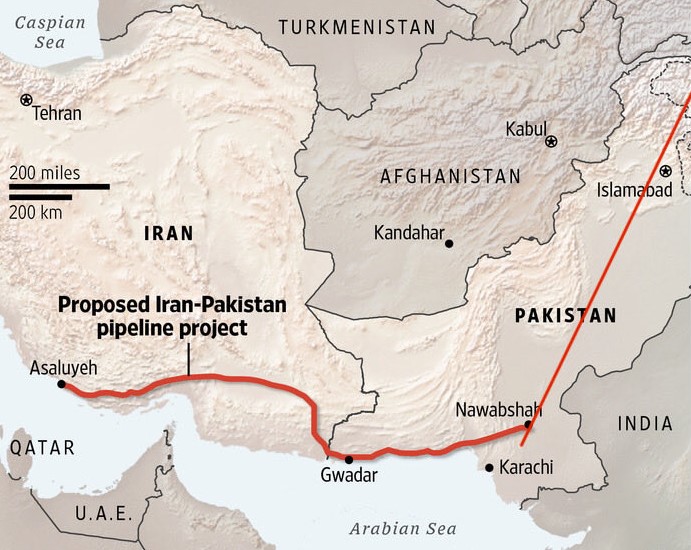
According to official details, the proposed Iran-Pakistan Gas Pipeline has a total length of approximately 2,775 kilometres and is designed to transport natural gas from Iran’s massive South Pars gas field to Pakistan, helping address the country’s growing energy needs.
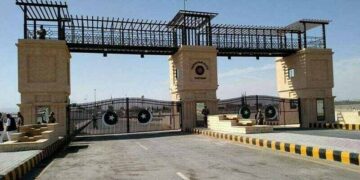
Iran has already completed around 1,100 kilometres of pipeline infrastructure within its territory. Pakistan, however, still needs to construct approximately 781 kilometres of pipeline from the Gabd-Rimdan border crossing near Gwadar in Balochistan to Nawabshah in Sindh.
Officials and energy experts say the Pakistan portion of the Iran-Pakistan Gas Pipeline remains a major financial challenge, with estimated costs ranging between US$ 1.5 billion to over US$ 3 billion depending on current construction and material prices. The 781-kilometre stretch from the Iran border at Gabd-Rimdan to Nawabshah will require extensive investment, especially due to difficult terrain and security requirements in Balochistan.
Originally estimated at a lower cost, the project has become more expensive over time due to inflation, currency depreciation, and rising global steel prices. Despite these costs, experts argue that the pipeline could significantly reduce Pakistan’s reliance on costly imported LNG and furnace oil, potentially saving large amounts in annual energy imports.
Iran has already invested heavily in its own section of the pipeline, while Pakistan’s delay has been linked to financial constraints and international sanctions-related concerns. Officials believe that even partial progress could improve Pakistan’s energy security and strengthen its negotiating position in ongoing arbitration proceedings.
Once completed, the pipeline is expected to supply between 750 million and one billion cubic feet of natural gas per day, significantly easing Pakistan’s energy shortages and supporting industrial, commercial and domestic consumers.
The project was originally conceived in the early 1990s as a trilateral initiative involving Iran, Pakistan and India, and was initially known as the Iran-Pakistan-India (IPI) pipeline, often referred to as the “Peace Pipeline”. India formally withdrew from the project in 2009 due to pricing disputes, security concerns and geopolitical considerations, after which it became the Iran-Pakistan Gas Pipeline project.
Pakistan and Iran signed the Gas Sales Purchase Agreement (GSPA) in 2009. Under the agreement, Pakistan committed to completing its section of the pipeline within a specified timeframe to begin importing Iranian gas.
However, the project faced repeated delays due to financial constraints, international sanctions imposed on Iran, difficulties in securing external financing and concerns regarding potential sanctions-related repercussions for Pakistan.
As a result of Pakistan’s failure to complete its portion of the pipeline within the agreed schedule, Iran initiated arbitration proceedings seeking compensation for delays. The dispute was referred to international arbitration, where Tehran argued that Pakistan had not fulfilled its contractual obligations under the gas supply agreement.
In recent years, Pakistan has sought to avoid potential financial penalties by demonstrating progress on the project. In 2024, the government approved the construction of an initial segment of the pipeline from the Pakistan-Iran border to Gwadar, aiming to safeguard national interests and strengthen its legal position in arbitration-related matters.
Energy experts believe that the completion of the pipeline could provide Pakistan with a relatively affordable and reliable source of natural gas at a time when the country is facing declining domestic gas reserves and increasing energy demand.
The project is also viewed as an important symbol of economic cooperation between Pakistan and Iran, with the potential to enhance regional connectivity and strengthen bilateral relations.
Officials maintain that any future progress on the project will take into account Pakistan’s international obligations, economic considerations and evolving regional circumstances.
With renewed diplomatic engagement between Islamabad and Tehran, observers believe discussions on energy cooperation, including the Iran-Pakistan Gas Pipeline, could gain fresh momentum in the coming months.