











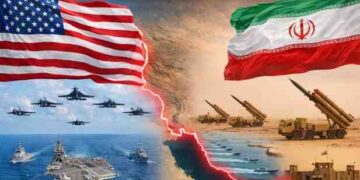




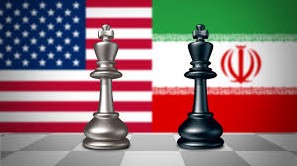

















DUBAI/ISLAMABAD (MNN); Global crude oil prices declined on Monday after the United States announced a temporary easing of sanctions on Iranian oil exports, while diplomatic efforts aimed at securing a comprehensive peace agreement between Washington and Tehran continued to gain momentum.

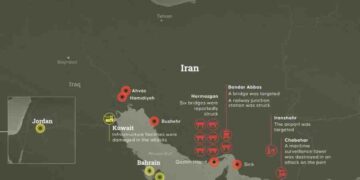
Market attention remained focused on developments in the Middle East, particularly prospects for the full reopening of the Strait of Hormuz, one of the world’s most important energy transit routes. The possibility of increased oil shipments through the strategic waterway helped ease concerns over supply disruptions and contributed to a calmer market environment.
Analysts noted that recent diplomatic progress had improved investor confidence. Deutsche Bank analyst Jim Reid said that developments in the region had become more constructive, adding that expectations of increased oil flows through the Strait of Hormuz were helping stabilize global markets.
Amid ongoing negotiations with Iran, US Secretary of State Marco Rubio is scheduled to visit the United Arab Emirates, Kuwait, and Bahrain beginning Tuesday. According to the US State Department, Rubio will discuss the memorandum of understanding reached with Iran, efforts to guarantee safe and unrestricted navigation through the Strait of Hormuz, and broader initiatives aimed at promoting regional peace and stability.
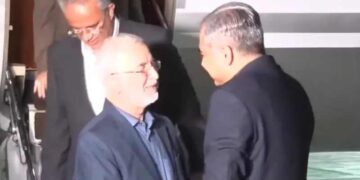
The latest round of high-level negotiations between the United States and Iran concluded in Switzerland after nearly 18 hours of discussions. According to Qatar’s official account, the talks were held in a positive and constructive atmosphere and resulted in significant progress toward a final settlement.
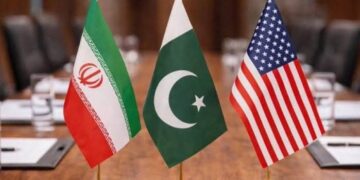
Qatar and Pakistan, which jointly facilitated the negotiations, announced that both sides had agreed on a roadmap aimed at achieving a comprehensive agreement within 60 days. Technical-level negotiations are expected to begin immediately to translate political commitments into practical arrangements.
Qatari Prime Minister Sheikh Mohammed bin Abdulrahman Al Thani described the memorandum of understanding and subsequent negotiations as an important step toward strengthening regional stability. He expressed hope that the diplomatic process would create opportunities for economic development, cooperation, and long-term peace throughout the Middle East.
The Qatari premier emphasized that while political leaders had established the framework for future progress, the next phase would depend on technical experts tasked with converting broad commitments into concrete agreements.
A joint Qatar-Pakistan statement said the talks had achieved “encouraging progress” and successfully established a roadmap toward a final agreement. It added that specialized working groups would continue negotiations in the coming weeks.
The diplomatic breakthrough came as the US Treasury Department issued a 60-day sanctions waiver allowing Iran to export oil under the framework of an interim agreement designed to support efforts to end the conflict that began earlier this year.
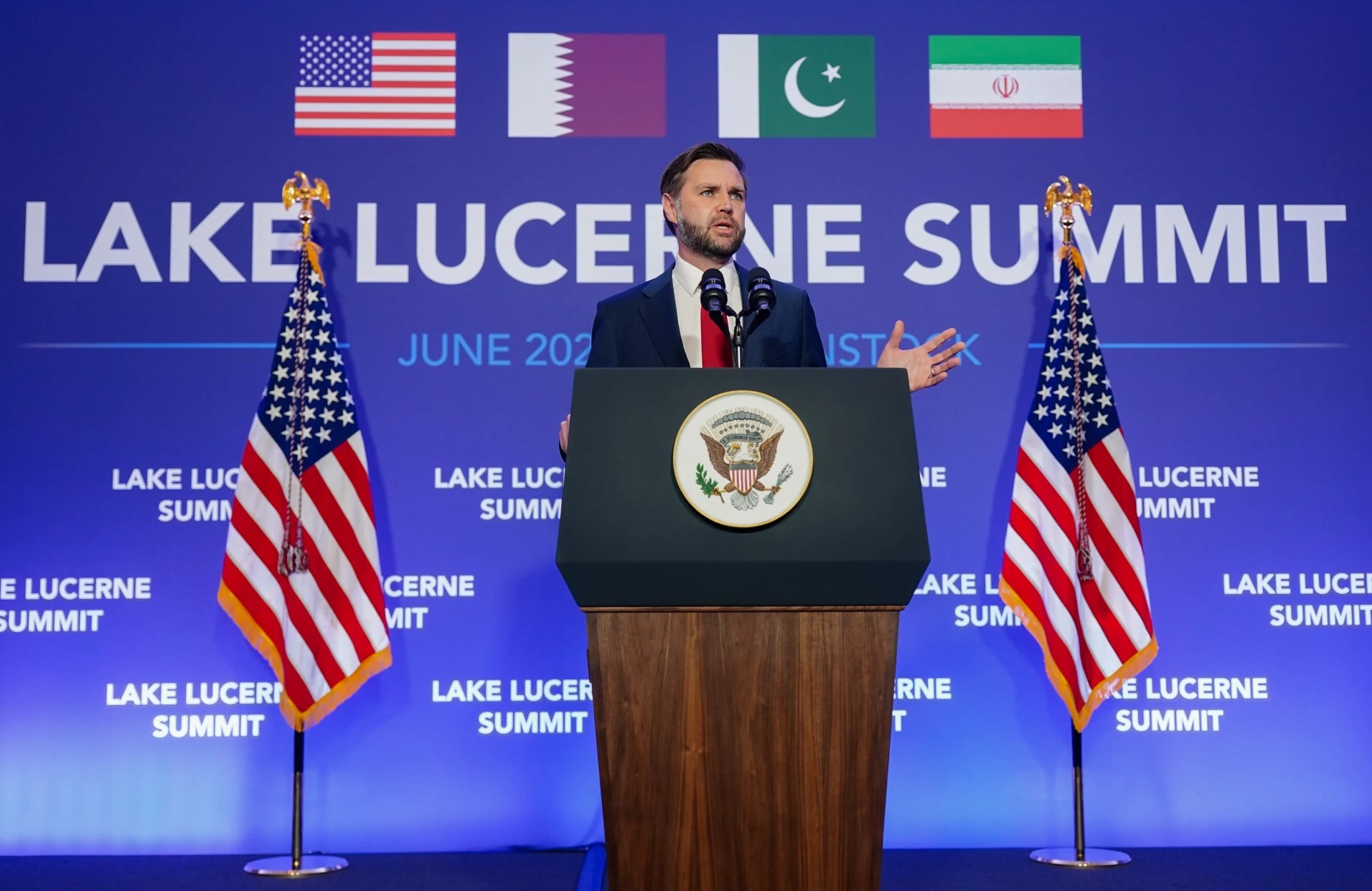
US Vice President JD Vance, who participated in the Switzerland negotiations, described discussions with senior Iranian officials as productive and said they had created a solid foundation for a lasting agreement.
“The final deal is the house,” Vance told reporters. “We have laid the foundation. The structure has not yet been built, but the groundwork for a successful agreement is now in place.”
Negotiations experienced a brief interruption after comments made by US President Donald Trump drew criticism from Iranian officials. Iranian state media reported that talks were temporarily paused following what it described as an insulting message from the US president. However, discussions later resumed and continued into the early hours of the morning.
Vance rejected suggestions that Trump’s remarks had seriously damaged the negotiations. He acknowledged that Iranian negotiators had threatened to leave the talks but said discussions continued well beyond midnight and ultimately remained productive.
According to Vance, the agreement is not being imposed on regional countries despite provisions addressing tensions involving Israel and Hezbollah. He argued that governments across the Middle East had strongly supported US efforts to broker a broader peace arrangement.
The vice president also claimed that Iran had agreed to allow inspectors from the International Atomic Energy Agency (IAEA) greater access as part of the ongoing process. Iranian authorities have not publicly confirmed the claim, and questions remain regarding inspections of nuclear facilities damaged during US military strikes.
Since the brief Israel-Iran war in 2025, international inspectors have visited Iran, although Tehran has continued to restrict access to certain enrichment sites believed to contain highly enriched uranium.
Vance said technical teams from both countries would continue working over the next two months while senior political leaders provide oversight from their respective capitals. The upcoming discussions are expected to address sensitive issues including sanctions relief, monitoring mechanisms, nuclear material management, and long-term security arrangements.
The vice president added that negotiators had maintained continuous communication with Israeli Prime Minister Benjamin Netanyahu and other regional governments throughout the Switzerland talks. Some Israeli political figures have criticized Netanyahu’s limited direct role in the negotiations.
Vance further revealed that discussions included proposals involving the management of Iranian financial assets following sanctions relief. He said certain funds could potentially be directed toward purchasing agricultural products from the United States, including wheat, corn, and soybeans. However, Iranian officials have not publicly endorsed the proposal.
Despite occasional tensions and sharp exchanges, Vance described the overall atmosphere of the negotiations as constructive. He acknowledged that both sides had engaged in political rhetoric but stressed that progress had nevertheless been achieved.
“There were moments of frustration and threats to leave,” he said, “but in the end the talks continued, and meaningful progress was made.”
Officials from all sides now hope that the 60-day roadmap will ultimately lead to a comprehensive peace agreement capable of ending months of conflict and reducing tensions across the Middle East.