
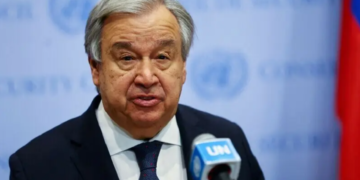











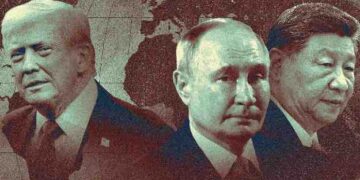


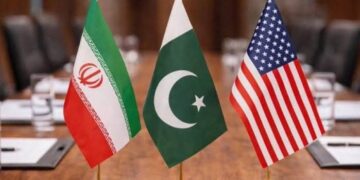
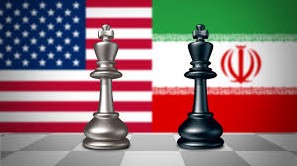















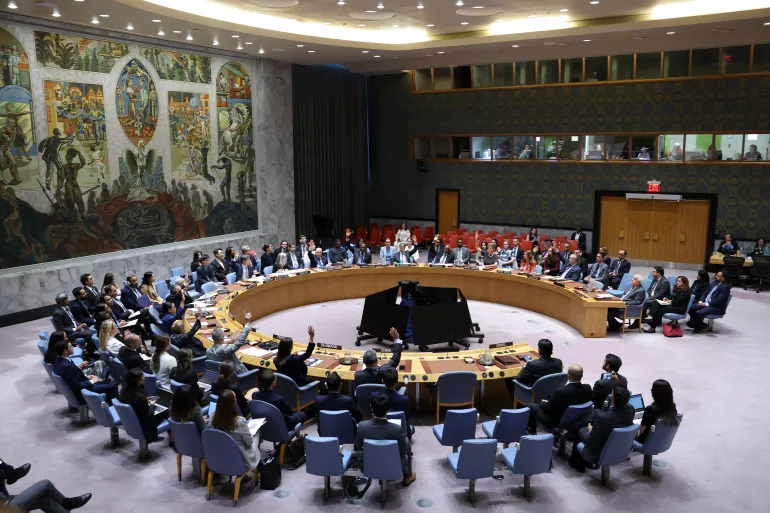
Web Desk: The United Nations Security Council (UNSC) on Friday voted down a resolution sponsored by Russia and China that sought to delay by six months the reinstatement of sanctions on Iran over its nuclear program.

In the 15-member body, the measure received only four votes in favor, while nine members opposed and two abstained.
As a result, sanctions suspended under the 2015 nuclear deal, formally known as the Joint Comprehensive Plan of Action (JCPOA), will automatically “snap back” at 8pm in New York on Saturday (00:00 GMT Sunday).
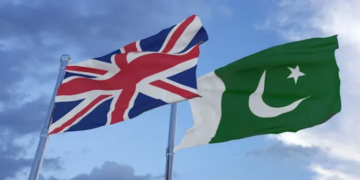
France, Germany, and the United Kingdom—the so-called E3—accused Tehran of breaching the JCPOA’s commitments, which were designed to limit Iran’s ability to build nuclear weapons. Former US President Donald Trump unilaterally withdrew Washington from the deal in 2018, a move that has since deepened mistrust between Tehran and the West.
Iran, however, has consistently denied pursuing nuclear arms, insisting its program is for peaceful energy purposes.
Tehran’s Rejection of Sanctions
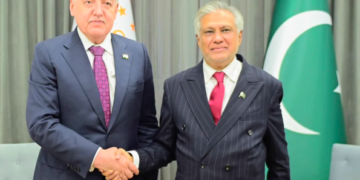
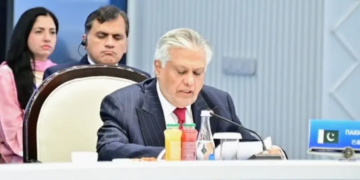
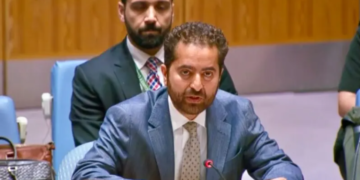
Iran’s Foreign Minister Abbas Araghchi dismissed the UN sanctions as “legally void, politically reckless, and procedurally flawed.” Addressing the UNSC, he said Europe’s backing of the snapback mechanism undermined diplomacy. “The United States has betrayed diplomacy, but the E3 has buried it,” Araghchi declared, accusing Western states of spreading false claims and escalating tensions.
Diverging Views Inside the Council
Russia’s deputy UN envoy, Dmitry Polyanskiy, argued that Iran had made serious concessions to European nations, but claimed Western powers had “refused to compromise.”
France’s representative Jerome Bonnafont countered, asserting that Iran had not taken meaningful steps to avoid the return of sanctions. Nonetheless, he emphasized that the reimposition did not rule out future diplomatic engagement.
Analysts: Diplomacy Stalled
Al Jazeera’s Diplomatic Editor James Bays reported from New York that the chances of fresh negotiations appeared slim. “The supreme leader in Iran himself suggested snapback was inevitable,” Bays noted, adding that Tehran had braced for the outcome.
The snapback mechanism restores all pre-2015 UN sanctions on Iran, layering them atop extensive US and European restrictions already in force.
Regional Escalations
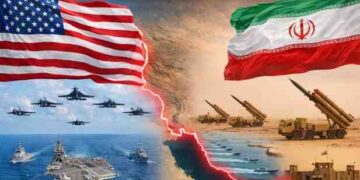
Tensions have further intensified in the region. In June, Israel launched a 12-day campaign, supported by the United States, targeting Iranian nuclear facilities. The strikes came shortly after the International Atomic Energy Agency (IAEA) concluded that Tehran was failing to meet nuclear safeguard obligations.
Last week, the UNSC also rejected a proposal to permanently lift sanctions, setting the stage for continued economic hardship in Iran. Tehran condemned the decision as “politically biased” and warned of growing instability if diplomacy remained sidelined.