









































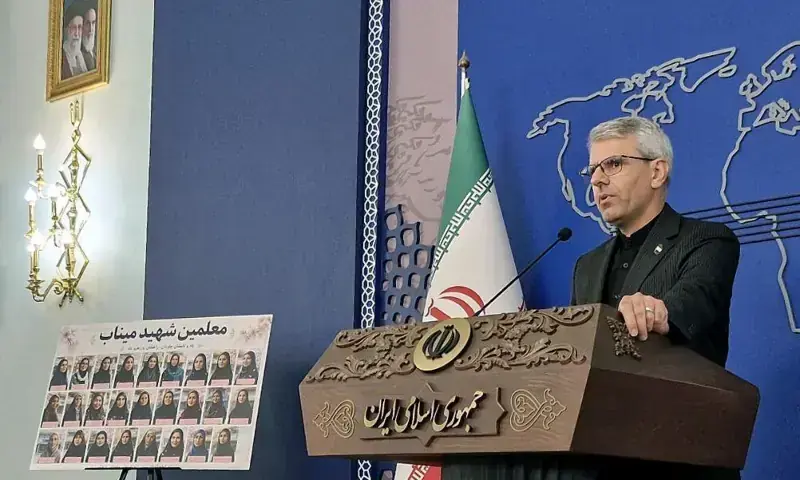
TEHRAN (MNN); Iran said on Monday that significant progress has been made in ongoing negotiations over ending the conflict with the United States, but stressed that no agreement is close to being finalised.

Foreign Ministry spokesperson Esmaeil Baqaei said a large portion of the issues under discussion had been resolved, but cautioned that this should not be seen as a sign that a deal is imminent.
He said the current negotiations are primarily focused on ending the war, while detailed discussions on Iran’s nuclear programme are expected to take place later if progress continues.
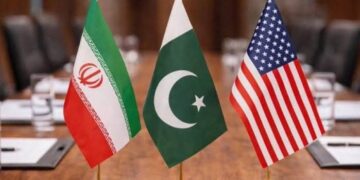
Baqaei also said Iran currently has no plans to send an official delegation to Pakistan.
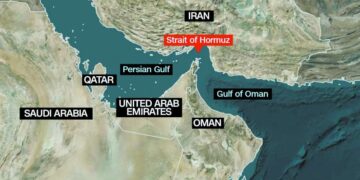
Speaking about the Strait of Hormuz, he clarified that Iran is not imposing tolls on passing vessels, but ships using the strategic waterway are being charged fees for navigational and environmental services.
He said the management and security of the Strait of Hormuz remain the responsibility of the countries along its coastline, adding that Tehran remains in contact with neighbouring states to protect shipping and regional interests.
The Iranian spokesperson also voiced concern over what he described as mixed and contradictory statements coming from the United States, saying the uncertainty was making diplomatic dialogue more difficult.
“US politics is suffering from indecision. Conflicting messages from American officials within hours of each other complicate the negotiation process,” he said.
His remarks came after US President Donald Trump said a possible agreement with Iran was not yet fully negotiated, while Secretary of State Marco Rubio suggested a deal could be reached soon.
Baqaei said mediation efforts by Pakistan and other countries had helped create recent diplomatic movement and added that discussions also included proposals aimed at ending the conflict in Lebanon.
He also accused the United States and Israel of targeting critical Iranian infrastructure, including steel and pharmaceutical facilities, and dismissed their statements about concern for the Iranian people.
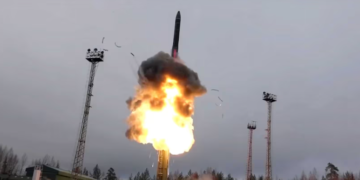
Iran further signalled that it would continue developing its missile and drone capabilities regardless of external pressure.
“We will continue investing in our drone and missile programme and will not seek permission from anyone,” Baqaei said, adding that Iran sees its defence capabilities as essential to national security.
Separately, senior Iranian diplomat Hossein Nooshabadi said Tehran is prepared to discuss its nuclear programme and stockpile of highly enriched uranium with Washington if the United States fulfils commitments under a potential memorandum of understanding.
Under the proposed framework, negotiations on the nuclear file would take place over 60 days in exchange for sanctions relief and the release of frozen Iranian assets.
Baqaei also said Foreign Minister Abbas Araghchi would miss an upcoming United Nations Security Council meeting in New York due to visa-related issues.
Meanwhile, China called on both Washington and Tehran to maintain the current momentum toward de-escalation.
Chinese Foreign Ministry spokesperson Mao Ning said an early resolution to the conflict would benefit both countries, the wider region and the international community.