












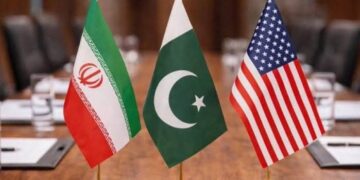




























U.S. President Donald Trump said negotiations with Iran would continue over the phone instead of through in-person meetings, a day after cancelling his team’s planned visit to Islamabad due to Tehran’s unwillingness to move forward with talks.

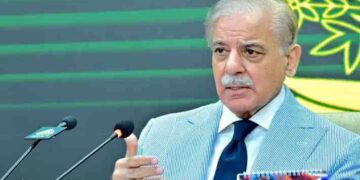
Speaking to Fox News, Trump said Washington had the stronger position and saw no need to send officials for long-distance diplomacy when Iran could simply contact the U.S. directly.
“We have all the cards,” he said, adding that the U.S. was not sending representatives on an 18-hour journey to Pakistan. “They know what has to be in the agreement… They cannot have a nuclear weapon, otherwise there’s no reason to meet.”
Trump clarified that the decision did not signal a return to military escalation and added, “We are going to do it by telephone.”
He also praised Pakistan for helping facilitate communication between Washington and Tehran, saying he had “great respect for Pakistan” and that Islamabad would continue to play a role in the process.
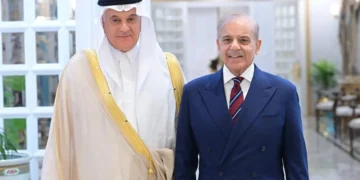
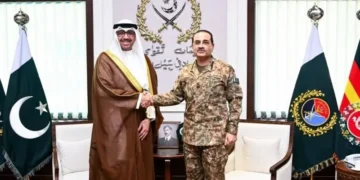
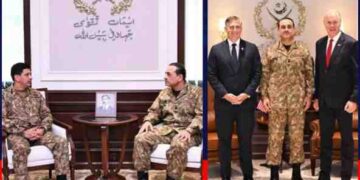
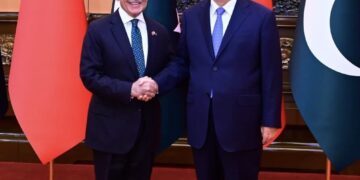
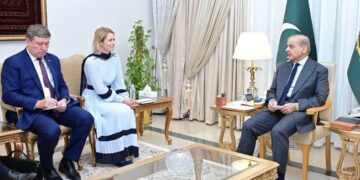
Iran’s ambassador to Pakistan, Reza Amiri Moghadam, also thanked Pakistan, especially Prime Minister Shehbaz Sharif and Field Marshal Asim Munir, for their efforts to help end the conflict and promote lasting peace in the region.
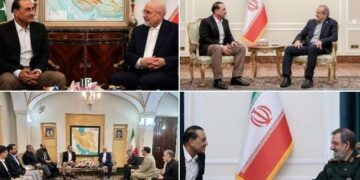
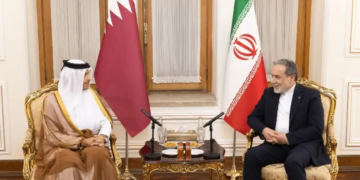
Iranian Foreign Minister Abbas Araghchi left Islamabad for Moscow after a brief stop following his visit to Oman, where he met the Omani leadership. Before departing, he met Pakistani officials to share “Iran’s positions and views on the framework of any understanding to completely end the war.”
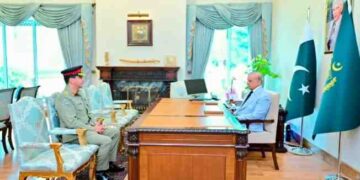
He had also visited Islamabad a day earlier to meet the army chief and prime minister regarding Iran’s response to U.S. proposals.
Iranian media said his second visit was not directly linked to nuclear talks but part of broader diplomatic consultations.
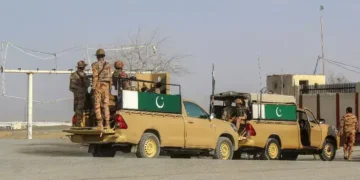
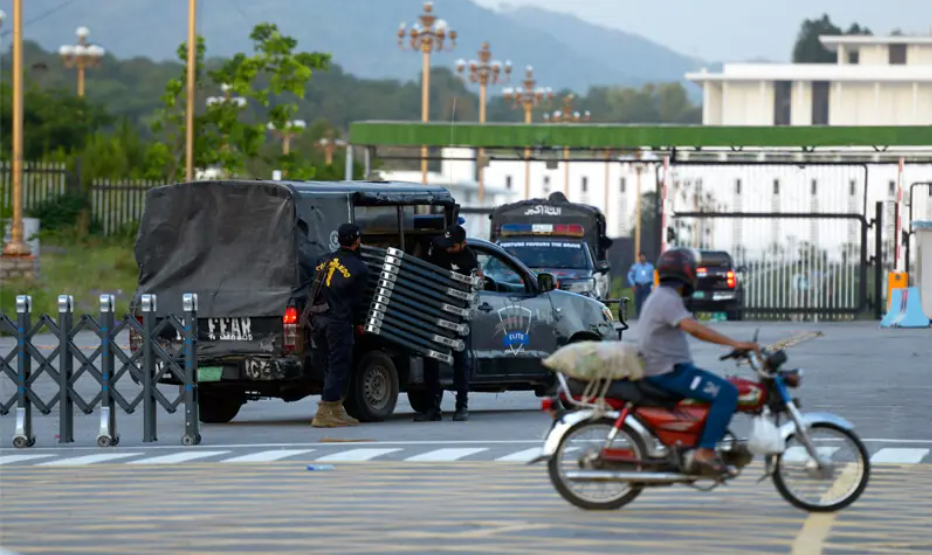
With talks shifting away from Islamabad, restrictions around the Serena Hotel and Red Zone in Islamabad were lifted. Deputy Prime Minister Ishaq Dar announced that roadblocks and movement restrictions in Islamabad and Rawalpindi had ended, thanking residents for their patience.
Meanwhile, Iran continued regional diplomatic outreach, with Araghchi speaking to officials in Oman, Qatar, Saudi Arabia, Turkey, and Egypt about ceasefire efforts and regional stability.
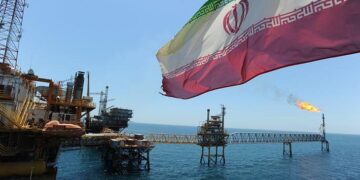
At the same time, tensions remained high around the Strait of Hormuz, where Iran’s Revolutionary Guards said they had no plans to lift the blockade.
“Controlling the Strait of Hormuz and maintaining the shadow of its deterrent effects over America and the White House’s supporters in the region is the definitive strategy of Islamic Iran,” the Guards said.
The IRGC also warned that any renewed aggression could trigger a “hellish storm” in response.
The U.S. military said it intercepted another vessel attempting to move through the blockade, while British Prime Minister Keir Starmer and Trump discussed restoring freedom of navigation in the crucial maritime route.