
























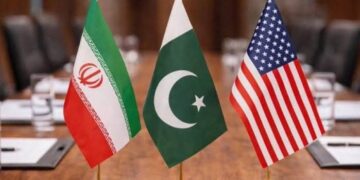























Planned technical negotiations between the United States and Iran aimed at implementing the recently signed Islamabad Memorandum of Understanding have been postponed, with Swiss authorities confirming that talks scheduled for Friday in Geneva will no longer take place.

The discussions were expected to mark the first step in translating the US-Iran agreement into concrete actions after both sides endorsed a 14-point framework earlier this week designed to end the Middle East conflict, reopen the Strait of Hormuz and address key disputes within 60 days.
Switzerland’s foreign ministry confirmed the delay, stating: “The planned talks between the US, Iran, Qatar and Pakistan have been postponed.”
The ministry added that Switzerland remained prepared to host the negotiations and that preparatory work at the Buergenstock resort would continue, though no revised date was announced.
In Washington, a White House spokesperson acknowledged the uncertainty surrounding the process, saying Vice President JD Vance would not travel to Geneva as previously expected.
“The logistics of these negotiations have never been simple or predictable. As of now, the vice president is not departing tonight,” the spokesperson said.
Despite the postponement, the official stressed that Washington remained committed to launching discussions, adding: “We look forward to beginning technical talks as soon as possible.”
Questions Over Timing and Implementation
Iran did not immediately comment on the postponement. Earlier, Tehran had indicated it was prepared to begin technical negotiations but wanted evidence that the United States was implementing commitments made under the interim agreement.
According to Iranian media, officials were also awaiting confirmation on whether their delegation would travel to Geneva.
Vance had previously suggested that the timeline remained fluid, stating on Thursday: “We think these technical negotiations are going to start sometime this weekend. That’s still the plan, but that could change.”
The talks were expected to include representatives from the United States, Iran, Pakistan and Qatar, focusing on the implementation of the agreement signed by US President Donald Trump and Iranian President Masoud Pezeshkian.
Plans for a formal signing ceremony of the Islamabad MoU in Geneva were also abandoned after both leaders completed the signing process electronically.
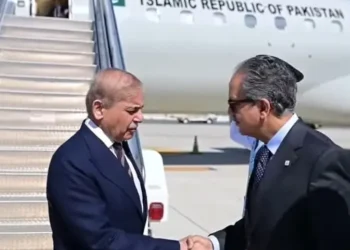
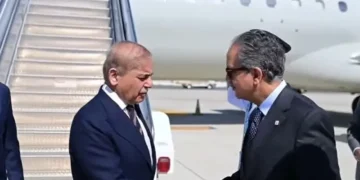
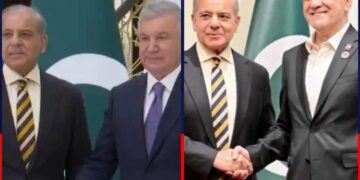
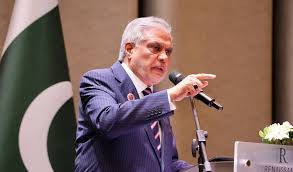
Prime Minister Shehbaz Sharif, who signed the memorandum as a mediator, cancelled his planned trip to Switzerland after Deputy Prime Minister Ishaq Dar said the agreement had already been formally concluded remotely.
Concerns Over Lebanon Threaten Momentum
While diplomatic efforts continue, the agreement faces challenges on the ground, particularly in Lebanon.
Israel, which has publicly distanced itself from the US-Iran accord, continued military operations against Hezbollah-linked targets in Lebanon. Lebanese state media reported that fresh Israeli strikes on Friday killed at least 15 people.
The continued attacks have raised questions about the durability of the broader peace framework, which calls for the “permanent termination” of hostilities in Lebanon.
Israel has indicated it intends to maintain its military presence in an expanded security zone and has shown no signs of withdrawing.
The issue has become a point of tension between Washington and Tel Aviv, with President Trump increasingly critical of Israel’s continued operations.
Meanwhile, Iran’s chief negotiator Mohammad Bagher Ghalibaf warned that Tehran would respond firmly if any party violated the agreement, saying Iran would take “decisive” action against breaches of the deal.
Political Debate and Nuclear Negotiations Ahead
The agreement has also sparked debate in Washington, where some Republican lawmakers argue that the administration granted significant concessions in exchange for ending the conflict.
Under the memorandum, Iran is set to receive sanctions relief, access to frozen assets worth billions of dollars and waivers allowing the resumption of oil exports.
Iran’s Supreme Leader Ayatollah Mojtaba Khamenei criticised the United States, saying Trump signed the agreement “out of desperation” and warning that future nuclear negotiations would be difficult.
“If the American side wants to be too demanding, we will not accept it,” he said.
The deal gives negotiators 60 days to reach an agreement on Iran’s nuclear programme and establish a reconstruction fund worth $300 billion for Iran and affected regional states.
While Iran has agreed to international inspections and the down-blending of highly enriched uranium under International Atomic Energy Agency oversight, it rejected US demands to remove nuclear material from the country.
American officials maintain that the upcoming negotiations could produce a stronger agreement than the 2015 nuclear deal abandoned during Trump’s first presidency.
However, critics argue that Iran enters the talks from a stronger position after enduring months of conflict, preserving influence over the Strait of Hormuz and securing economic concessions.
Markets responded positively to the prospect of stability, with oil prices falling on Friday as shipping activity resumed through the reopened Strait of Hormuz, a critical route that previously carried nearly one-fifth of the world’s oil and liquefied natural gas supplies.