


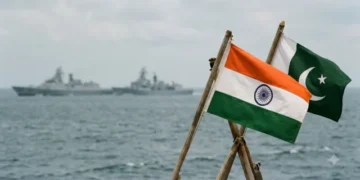























































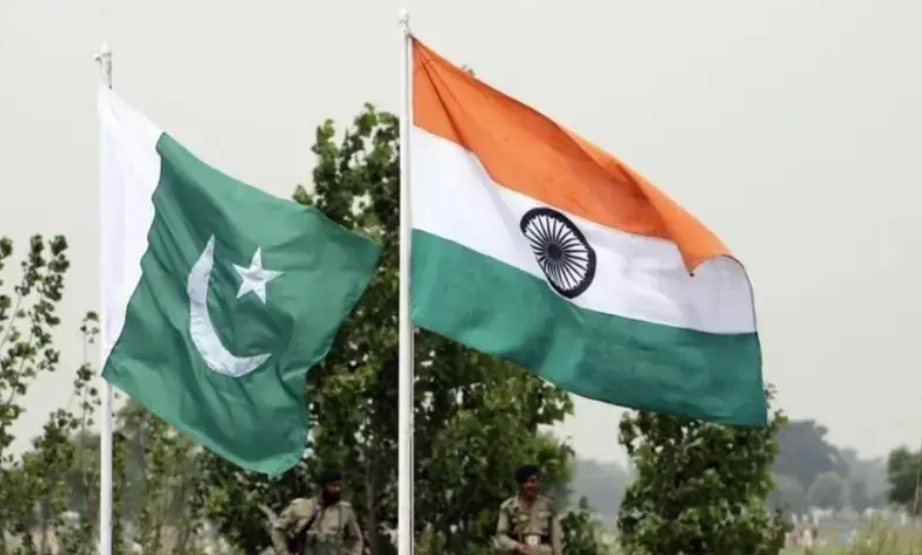
WASHINGTON: On the first anniversary of the May 2025 conflict between India and Pakistan, analysts in the US and beyond warn that any future crisis between the two nuclear-armed neighbours could be both more likely and more dangerous, with fewer chances for international intervention to contain it.

In an editorial published Tuesday, The Washington Post cautioned that global risks may be underestimated. “You know the world scene is chaotic when we’re approaching the first anniversary of a shooting war between two hostile nuclear powers and very few Americans remember it,” the paper wrote, adding that another crisis is “probably not a question of if, but when.”
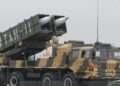
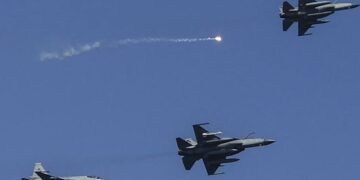
The editorial described the May 2025 confrontation as a new kind of “non-contact” warfare, relying on missiles, drones, and airpower rather than ground invasion. It warned that both sides might wrongly assume they can engage in limited conventional conflict without triggering nuclear escalation.
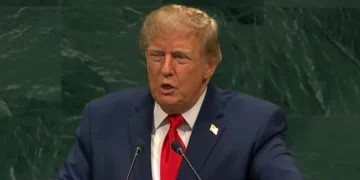
It also pointed to evolving diplomatic dynamics under US President Donald Trump, noting that while Washington helped defuse tensions, India was uneasy about Trump’s repeated claims of brokering the ceasefire. The paper warned that such sensitivities could limit US influence in a future crisis.
A report by the Congressional Research Service highlighted another potential flashpoint: water. It noted that although India had not presented evidence linking Pakistan to the initial attack, it placed the Indus Waters Treaty “in abeyance.”
The report stressed that Pakistan views water security as a “Vital National Interest” and has warned that any disruption of river flows would be treated as an “Act of War.” With roughly 80 per cent of Pakistan’s agriculture dependent on the Indus basin, experts say water disputes could escalate alongside military tensions.
Environmental risks were examined in a study by the Centre for Strategic and Contemporary Research, which warned that even a limited nuclear exchange could cause “nuclear cooling” by injecting soot into the atmosphere, potentially “cool, dry, and darken the earth for decades.”
The report added that such a scenario could disrupt global food systems and trigger a “nuclear famine,” leading to widespread starvation.
Writing in Foreign Affairs, analyst Elizabeth Threlkeld said both countries are studying past clashes to refine future strategies. She warned that the primary risk is shifting from deliberate escalation to unintended miscalculation.
“That may reduce pressure for deliberate nuclear use, but it increases the risk of inadvertent escalation,” she wrote, noting that future conflicts may involve “deeper strikes, shorter timelines, and new domains.”
Threlkeld also cautioned that Washington may struggle to respond effectively in a fast-moving crisis, particularly amid strained ties with New Delhi. “Washington may struggle to support de-escalation in a faster-moving, unfamiliar crisis,” she warned.
Meanwhile, the International Institute for Strategic Studies pointed to shifting diplomatic alignments, noting that India has been wary of Trump’s claim to have mediated the previous ceasefire.
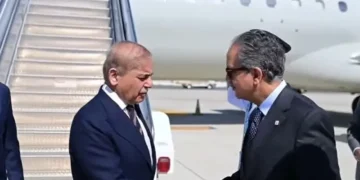
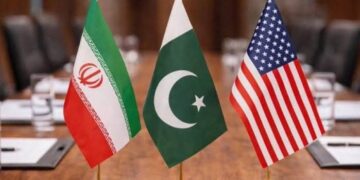
The institute also observed that US-Pakistan ties have strengthened since the conflict, with increased high-level engagement and Islamabad’s role in facilitating talks related to the US-Iran situation boosting its diplomatic profile — developments that may deepen Indian concerns over a perceived shift in US policy.
Taken together, analysts say that while the May 2025 conflict stopped short of nuclear escalation, it may have lowered the threshold for future confrontations, raising the stakes for regional and global security.