




















































UNITED NATIONS: Signatories of the United Nations nuclear non-proliferation framework will meet from Monday as rising global tensions cast doubt on reaching any agreement.“It is obvious that trust is eroding, both inside and outside the NPT,” said a UN official. The Nuclear Non-Proliferation Treaty (NPT), long seen as the cornerstone of nuclear arms control, is under increasing strain. During its last review in 2022, UN Secretary-General Antonio Guterres warned that humanity was “one misunderstanding, one miscalculation away from nuclear annihilation,” and the situation has worsened since then.

UN disarmament chief Izumi Nakamitsu said there is now a shared sense of crisis among member states, pointing out that there are no longer any major bilateral arms control agreements between the United States and Russia following the expiration of the New START Treaty. Global nuclear stockpiles are again increasing.
According to the Stockholm International Peace Research Institute, there were 12,241 nuclear warheads as of January 2025. The United States and Russia possess nearly 90 percent of these weapons, while China is rapidly expanding its arsenal. US President Donald Trump has indicated he may consider new nuclear tests, while French President Emmanuel Macron has announced plans to strengthen France’s nuclear deterrent.
The NPT aims to prevent the spread of nuclear weapons, promote disarmament, and support peaceful nuclear cooperation, but key nuclear states such as India, Pakistan, and Israel are not signatories. Previous review conferences have failed to reach consensus. In 2015, disagreements centered on the creation of a nuclear-weapon-free zone in the Middle East, while in 2022 the deadlock was largely due to disputes related to the Ukraine war and the Zaporizhzhia nuclear power plant.
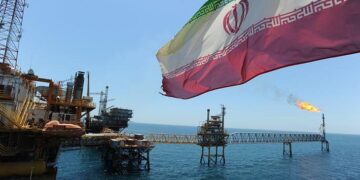
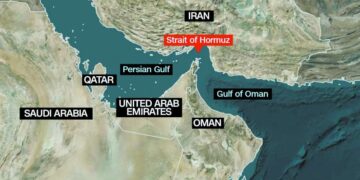
This year’s summit faces multiple challenges, including the war in Ukraine, Iran’s nuclear program, North Korea’s weapons development, and growing fears among non-nuclear states about proliferation. Experts warn that a third consecutive failure could gradually weaken the treaty.
Artificial intelligence is also emerging as a key concern, with some countries calling for strict human control over nuclear weapons systems.