
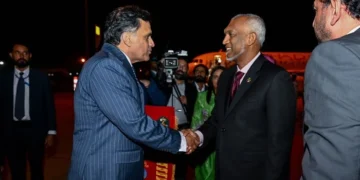



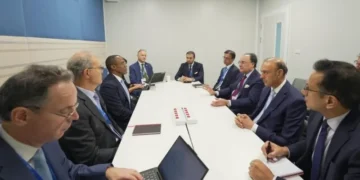












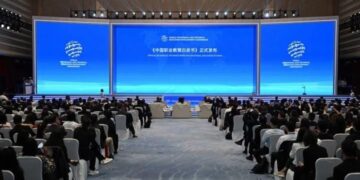






















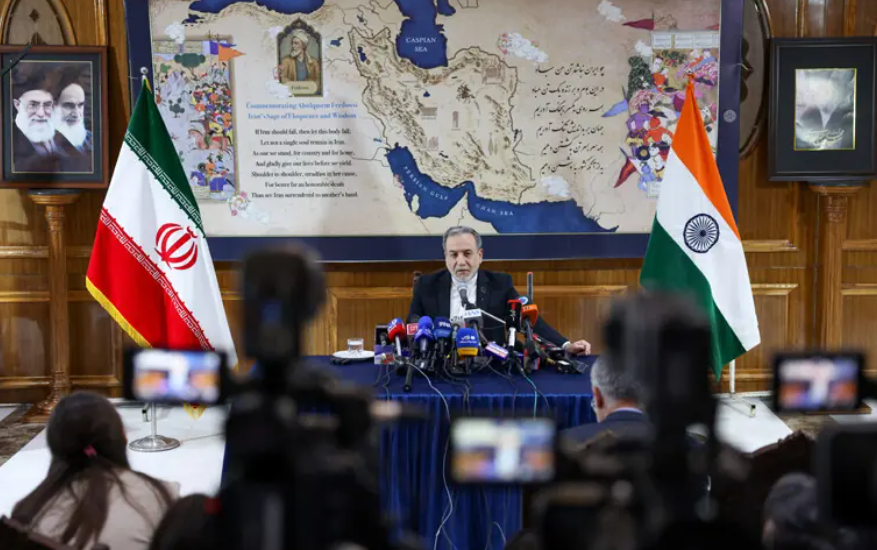
A two-day BRICS foreign ministers’ meeting in New Delhi concluded on Friday without a joint statement, highlighting internal divisions among member states over the ongoing Iran-Israel conflict.

Instead of a unified declaration, India, which chaired the meeting, released only a chair’s statement that acknowledged differences among members on issues related to the Middle East.
According to Iran’s Foreign Minister Abbas Araghchi, Tehran had pushed the group to condemn the US-Israeli war on Iran, but disagreement among members prevented consensus.
He also accused the United Arab Emirates, a BRICS member, of being involved in military operations against Iran. Araghchi said Iran had targeted only US military bases in response to the conflict.
The chair’s statement noted that Gaza is “an inseparable part of the Occupied Palestinian Territory” and emphasized the need to unify Gaza and the West Bank under the Palestinian Authority, while reaffirming Palestinian rights to self-determination and statehood.
However, it also acknowledged that at least one member had reservations on parts of the Gaza-related wording.
India’s Ministry of External Affairs said ministers stressed the importance of resolving global conflicts through dialogue, diplomacy, and political engagement, while also calling for stronger international cooperation on peace and security.
It added that there were “differing views among some members” regarding the situation in West Asia and the Middle East.
Araghchi said one BRICS member blocked parts of the statement, though he expressed hope that differences could be resolved ahead of the next summit.
He also said Iran’s strikes were directed only at US military installations, which he claimed are located on the territory of a BRICS member state.
The UAE foreign ministry did not immediately comment on the allegations.
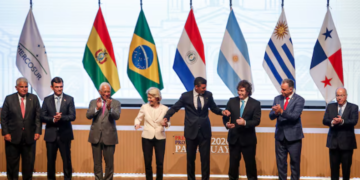
BRICS members—including Brazil, Russia, India, China, South Africa, Ethiopia, Egypt, Iran, and the UAE—also discussed broader global challenges, including geopolitical tensions, economic instability, and migration pressures.