























































India is in discussions with the United Arab Emirates (UAE) over the potential sale of several advanced defence systems, including the BrahMos supersonic cruise missile and the Akashteer air defence network, according to sources familiar with the matter.

The talks, which have not previously been reported, come as the UAE seeks to strengthen its military capabilities following the recent Middle East conflict and amid growing concerns over regional security.
“The UAE has shown interest for a number of our weapon systems, including BrahMos and Akashteer. The talks between India and the UAE are at initial stages and are progressing fast,” a source with direct knowledge of the discussions said.
Indian officials and the UAE foreign ministry have not publicly commented on the reported negotiations.
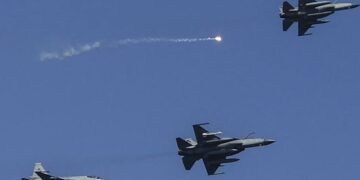
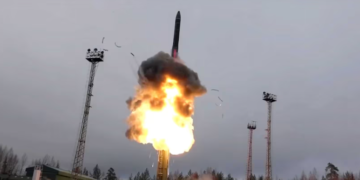
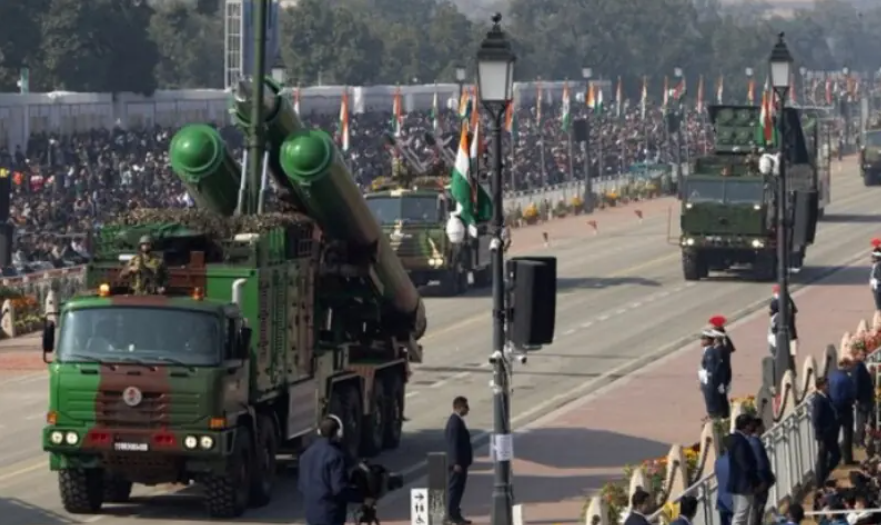
The BrahMos missile, jointly developed by India and Russia, is considered one of the world’s fastest cruise missiles and can be launched from land, sea and air platforms. Akashteer, developed by India’s state-owned Bharat Electronics Ltd in collaboration with the Indian Army, is an integrated and automated air defence system designed to coordinate and respond to aerial threats.
According to sources, the UAE is evaluating defence purchases from India and other countries as it seeks to enhance its ability to respond to future threats and secure critical infrastructure, including the Strait of Hormuz, a vital route for global energy exports.
Earlier this year, the UAE signed a memorandum of understanding with South Korea to expand defence cooperation in agreements reportedly valued at more than $35 billion.
Analysts say a broader supplier base would provide Abu Dhabi with greater strategic flexibility.
“A diversified supplier base gives the UAE more strategic autonomy, and closer ties with India have the added benefit of not antagonising the US as the countries remain allies,” said Pearl Pandya, South Asia senior analyst at Armed Conflict Location & Event Data.
Any sale of the BrahMos missile would require approval from Russia because the system is jointly developed by Moscow and New Delhi. However, one source suggested Russian approval is unlikely to be a major obstacle due to Moscow’s strong relations with the UAE.
According to the Stockholm International Peace Research Institute (SIPRI), the United States remained the largest supplier of arms to the Middle East between 2021 and 2025, accounting for 54 per cent of regional imports. Italy and France followed with 12pc and 11pc respectively.
Defence experts note that the UAE already operates advanced American systems, including the MGM-168 ATACMS ballistic missile as well as the THAAD and Patriot air defence systems. Akashteer could complement these assets by integrating information from multiple sensors and platforms to improve air defence coordination.
Siemon Wezeman, a senior researcher with SIPRI’s arms transfers programme, said both BrahMos and Akashteer could meet the UAE’s defence requirements despite growing international competition among arms suppliers in the Gulf region.
The discussions also reflect strengthening ties between India and the UAE, which have expanded cooperation in trade, energy and defence in recent years. The two countries have already agreed to collaborate on the development of military hardware and other strategic projects.
“The growing ties must also be understood against the backdrop of wider regional geopolitical dynamics, in particular the competition between Riyadh and Abu Dhabi for regional leadership,” Pandya said.
“Expanded defence ties between India and the UAE essentially serve as a form of strategic signalling, allowing both countries to showcase the strength and depth of their partnerships,” she added.