









































































GENEVA (MNN); Violent clashes broke out in Geneva on Sunday as thousands of demonstrators gathered to protest against the Group of Seven (G7) summit scheduled to begin in nearby Evian-les-Bains, France. What started as a largely peaceful march later descended into chaos, with protesters clashing with police, setting vehicles on fire and damaging public and private property.

According to authorities and media reports, nearly 20,000 protesters took part in the anti-G7 demonstration organized by the “No-G7” coalition, a group comprising more than 60 organizations, trade unions and activist groups. Participants included environmental campaigners, anti-capitalist activists, women’s rights advocates and supporters of the Palestinian cause.
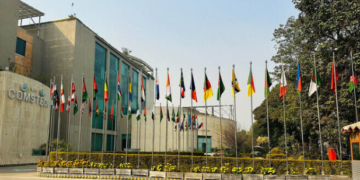
The march initially proceeded peacefully through the streets of Geneva, but tensions escalated when groups of masked protesters broke away from the main demonstration and targeted what they described as symbols of capitalism and global power. A Tesla vehicle was set ablaze, while windows of a United Nations telecommunications office and several commercial buildings were smashed. Protesters also reportedly damaged the offices of international consulting and auditing firms.
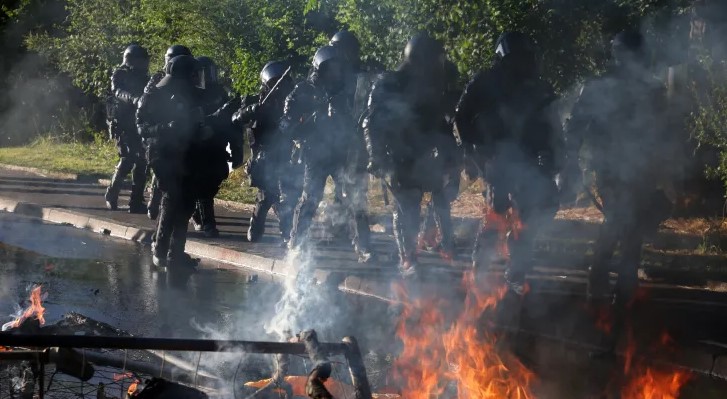
Swiss police responded by deploying tear gas and water cannons after demonstrators threw stones, bricks, bottles and flares at security forces. Witnesses reported scenes of panic as tear gas spread through crowded city streets, affecting families and children who had gathered to observe the march. Several arrests were made as authorities sought to restore order.
The protests were directed against the G7 summit, which brings together leaders from the United States, the United Kingdom, France, Germany, Italy, Canada, Japan and the European Union. Demonstrators accused the group of promoting economic inequality, militarism, environmental destruction and policies that benefit wealthy nations at the expense of developing countries.
Many protesters also expressed opposition to recent international conflicts, including tensions involving Iran and ongoing wars in different regions. Banners and placards carried messages condemning imperialism, calling for climate justice and demanding greater global equality.
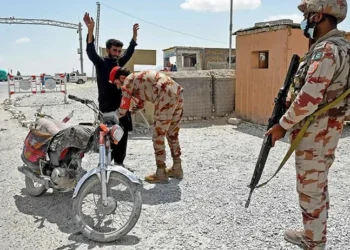
Authorities in both Switzerland and France had anticipated possible unrest ahead of the summit. Hundreds of businesses in Geneva boarded up their windows, while French and Swiss security agencies implemented extensive security measures, including border restrictions, road closures and the deployment of thousands of police and military personnel. More than half of the border crossings between the two countries were temporarily closed to prevent protesters from reaching the summit venue.
The heightened security reflects memories of the 2003 G8 summit in the same region, when large-scale anti-globalization protests resulted in widespread vandalism and millions of dollars in property damage. Officials had hoped to avoid a repeat of those events, but Sunday’s clashes revived concerns about summit-related violence.
The three-day G7 summit is expected to focus on major global issues, including conflicts in the Middle East and Ukraine, international economic challenges, artificial intelligence regulation, climate policies and global security concerns. Despite the unrest, authorities said preparations for the summit would continue as planned under tight security.