


























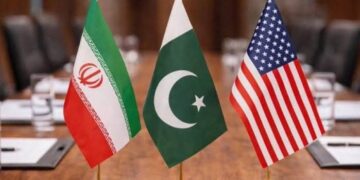





























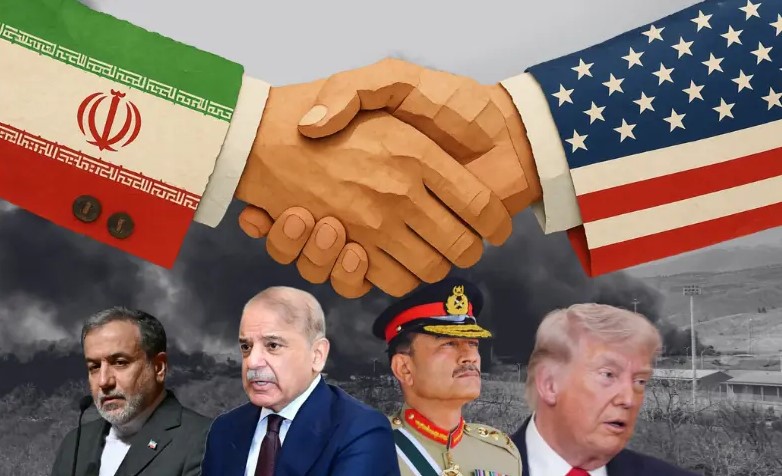
WASHINGTON/TEHRAN (MNN); A proposed 60-day ceasefire framework between the United States and Iran remains under consideration and now depends on approval from US President Donald Trump, according to US Treasury Secretary Scott Bessent.

Speaking at a White House briefing on Thursday, Bessent said it would be premature to comment on any final agreement before President Trump makes a decision. He reiterated that Washington’s key demands remain unchanged: the reopening of the Strait of Hormuz, Iran handing over its highly enriched uranium, and a commitment by Tehran to halt its nuclear programme.
According to multiple media reports citing sources close to the negotiations, US and Iranian officials have reached a preliminary framework for extending a ceasefire for 60 days. However, the arrangement has not yet received Trump’s formal approval. The White House declined to officially comment, while Iranian authorities have also not confirmed the reports.
Bessent said no agreement would move forward unless Iran accepts the core US conditions. He added that the Trump administration considers recent military and economic pressure on Iran effective in bringing Tehran back to the negotiating table for discussions over its nuclear programme.
The treasury secretary also warned that state-owned Iranian airlines could face additional pressure, calling them “outlaws”. He said any airport, company or country that provides services such as refuelling, ticketing or landing support to those airlines could face US sanctions. However, he clarified that travel for religious pilgrimage to Makkah and Madina, as well as humanitarian travel, would not be restricted.
On the Strait of Hormuz, Bessent said Oman had assured Washington it had no plans to impose tolls on ships using the strategic waterway. He warned that any attempt to introduce tolls or support restrictions on maritime transit could trigger sanctions.
Meanwhile, Iran’s semi-official Tasnim News Agency quoted a source close to Tehran’s negotiating team as saying that the draft Memorandum of Understanding between Iran and the US has not yet been finalised. The source rejected reports claiming the agreement was complete, saying Tehran would make an official announcement once the text is finalized.
At the United Nations, Iranian ambassador Amir-Saeid Iravani defended Iran’s actions in the Strait of Hormuz, saying they were lawful and consistent with international law. Iran has maintained that it will not allow the waterway to be used for hostile military operations against its territory.
Iranian Deputy Foreign Minister Kazem Gharibabadi also reaffirmed Tehran’s position, saying Iran would continue to protect its sovereignty over the Strait of Hormuz following recent US strikes in the region.
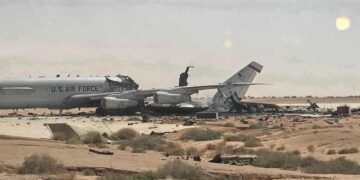
Separately, former US counterterrorism chief Joe Kent said the conflict had demonstrated that American military bases in the region had become vulnerable targets, arguing that the US should reconsider its regional military footprint.