















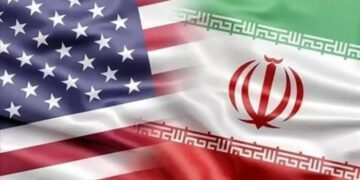









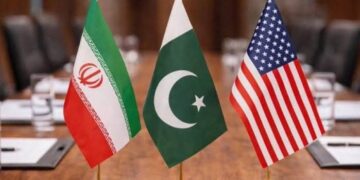
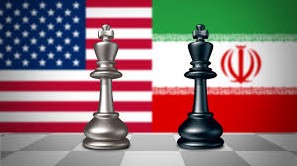


























An emerging framework aimed at ending the Iran-US conflict has triggered sharp political divisions in the United States Congress, with Republicans warning of major strategic concessions while Democrats remain split between supporting diplomacy and raising concerns over enforcement.

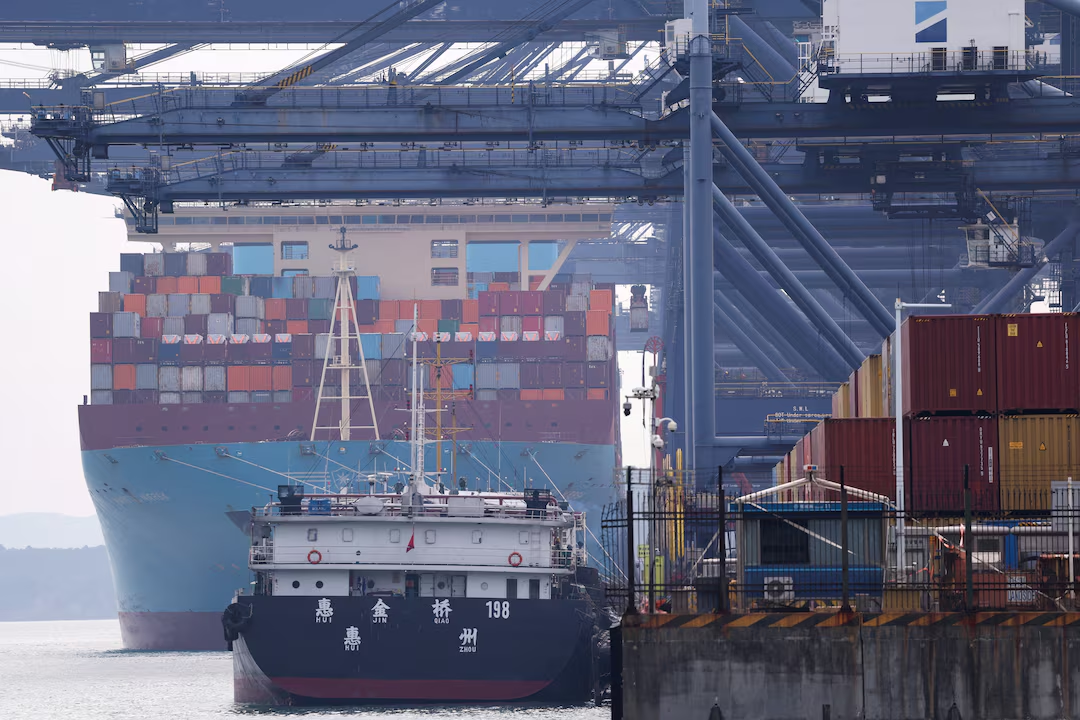
The proposed arrangement — still unfinalised and pending approval from both Washington and Tehran — reportedly includes measures to restore maritime traffic through the Strait of Hormuz and establish a mechanism to manage Iran’s stockpile of highly enriched uranium.
However, key issues such as long-term limits on uranium enrichment, missile capabilities, and sanctions relief remain unresolved and are expected to be addressed in later rounds of negotiations.
Republican lawmakers voiced strong criticism of the reported deal.
Senator Roger Wicker warned that the framework could undermine recent US and allied military operations, saying the “rumored 60-day ceasefire — with the belief that Iran will ever engage in good faith — would be a disaster.” He also said that the results of what he referred to as “Operation Epic Fury” would be “for naught” if the deal proceeds as described.
Senator Lindsey Graham also expressed concern, arguing that an early agreement could shift regional perceptions in Iran’s favour. He warned that if the deal reflects an inability to secure the Strait of Hormuz or prevent threats to Gulf oil infrastructure, Iran could be seen as a dominant regional force requiring diplomatic accommodation.
Senator Thom Tillis criticised the reported direction of talks, questioning whether the United States might accept Iran retaining nuclear material. He also raised doubts about Iran’s willingness to lift restrictions on maritime traffic before final terms are agreed, adding that conflicting statements from US officials “need to be explained.”
Former Secretary of State Mike Pompeo compared the current negotiations with past nuclear talks, arguing that interim agreements have historically given Iran economic relief while delaying meaningful constraints on its nuclear programme.
On the Democratic side, some lawmakers expressed support for diplomatic engagement.
Representative Ro Khanna backed de-escalation efforts, arguing that a negotiated settlement could have prevented economic fallout such as rising food and fuel prices.
Senator Chris Van Hollen also struck a cautious but engagement-friendly tone, saying, “When you are digging a hole, you should stop digging,” signalling openness to diplomacy while acknowledging the risks involved.