












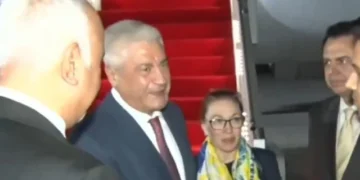


















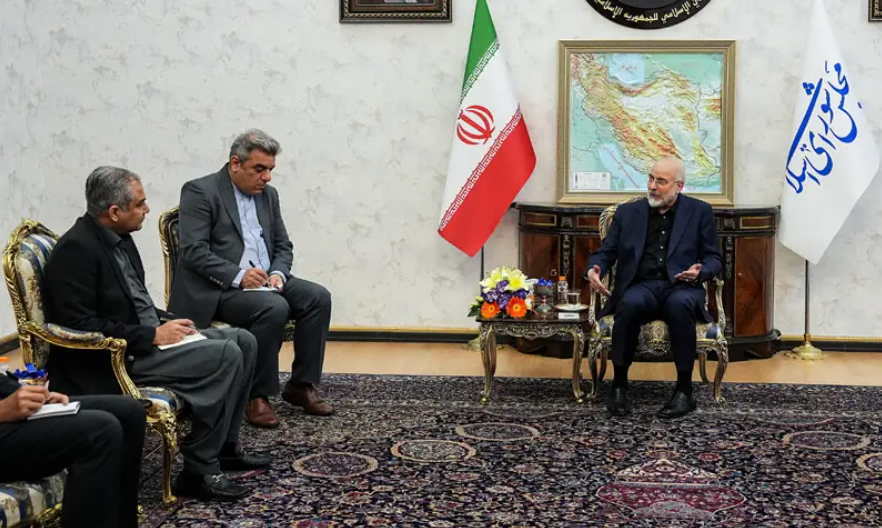
Pakistan continued its diplomatic efforts to de-escalate the Middle East crisis over the weekend, with Interior Minister Mohsin Naqvi holding high-level meetings in Tehran while top Pakistani leaders remained in contact with regional counterparts.

Naqvi met Iranian President Masoud Pezeshkian and Parliament Speaker Mohammad Bagher Ghalibaf during his visit. According to Iranian state media IRNA, his meeting with the president lasted around 90 minutes at the Presidential Palace and also included Iran’s Interior Minister Eskandar Momeni and Foreign Minister Abbas Araghchi.
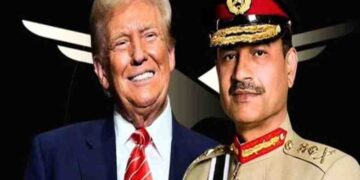
The Iranian president reportedly urged Islamic countries to strengthen unity, saying shared religious, cultural and strategic ties could reduce external interference. He warned that “hegemonic powers” have historically tried to divide Muslim states and stressed the need for regional cooperation to ensure peace and stability. He also praised Pakistan’s role, particularly Prime Minister Shehbaz Sharif and Field Marshal Asim Munir, in facilitating a recent ceasefire.
Parliament Speaker Mohammad Bagher Ghalibaf also met Naqvi and criticised reliance on US presence in the region, saying it does not provide security but instead creates instability. He added that cooperation between Tehran and Islamabad was “good” and should be expanded across political, economic, cultural and security fields.
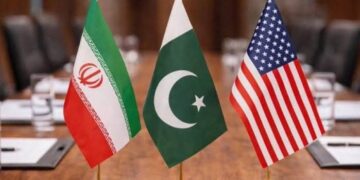
Separately, Iranian media reported that the US has not made “concrete concessions” in its latest proposal for negotiations to end the conflict. The Fars news agency said Washington’s five-point plan included limiting Iran’s nuclear activity to a single site and transferring enriched uranium stockpiles to the US, while also rejecting the release of frozen Iranian assets or reparations for war damage.
Iranian officials, according to reports, argued that the proposal would leave negotiations at an impasse, as Tehran’s own plan demanded an end to hostilities, lifting of sanctions, release of frozen assets, and broader regional de-escalation including in Lebanon and the Strait of Hormuz.
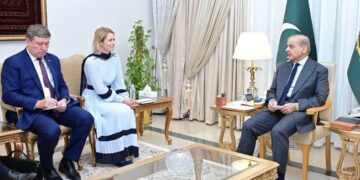
Meanwhile, Pakistan’s leadership remained active in “telephone diplomacy”. Prime Minister Shehbaz Sharif spoke with Qatar’s Prime Minister Sheikh Mohammed bin Abdulrahman Al Thani, who appreciated Pakistan’s mediation efforts and expressed support for its role in facilitating a ceasefire.
Qatari officials also stressed that freedom of navigation must be protected and warned against escalating tensions around the Strait of Hormuz.
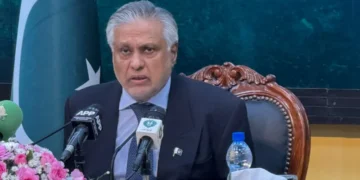
Deputy Prime Minister and Foreign Minister Ishaq Dar also held talks with Egyptian Foreign Minister Badr Abdelatty, who praised Pakistan’s efforts for regional peace and stability. Both sides discussed ongoing UN Security Council engagements and broader diplomatic developments.