











































































KYIV/LONDON: Russian attacks across Ukraine killed at least 22 people on Tuesday, including 12 in one of the deadliest single strikes this year, as competing ceasefire proposals from Kyiv and Moscow came into focus.

Russia announced a temporary ceasefire for May 8–9 to coincide with its Victory Day celebrations marking the Soviet Union’s victory over Nazi Germany. Ukraine, however, proposed an open-ended ceasefire starting at midnight Wednesday and urged Moscow to reciprocate.
President Volodymyr Zelenskyy criticised the Russian plan, saying it was not acceptable to pause attacks briefly for a military parade while continuing widespread strikes on Ukrainian territory.
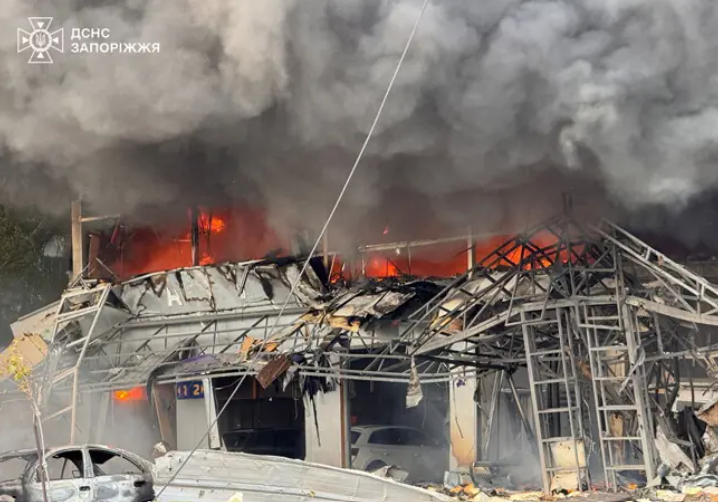
At least 12 people were killed in the city of Zaporizhzhia, according to emergency services. Regional governor Ivan Fedorov said at least 16 others were injured. The strike damaged residential buildings, a car repair facility, and a car wash, while also sparking fires at nearby sites. Images from the scene showed buildings engulfed in flames and injured civilians being evacuated.
In the eastern frontline city of Kramatorsk, three aerial bombs killed five people and injured five more, Zelenskyy said, warning the toll could rise further.
Another overnight strike on gas production facilities in the Poltava region left five people dead, Ukrainian officials reported.
Meanwhile, in Russia, a Ukrainian drone strike in the Chuvashia region killed two people, according to state media.
Scientists Jailed in Treason Case
Separately, two Russian scientists linked to hypersonic missile research were convicted of treason and sentenced to 12-and-a-half years in prison following a closed-door trial.
The physicists — Valery Zvegintsev and Vladislav Galkin — were prosecuted in a case tied to highly sensitive research into high-speed weapons technology.
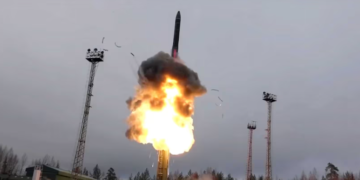
President Vladimir Putin has previously said Russia is a global leader in hypersonic missile development, which has been used in the Ukraine conflict. These weapons can travel at speeds of up to 10 times the speed of sound, making them difficult to intercept.
Supporters of the scientists argue that the case reflects an aggressive campaign by Russian security services to target perceived internal threats within strategically important sectors.