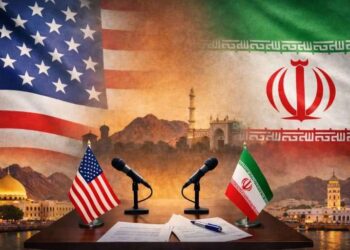




















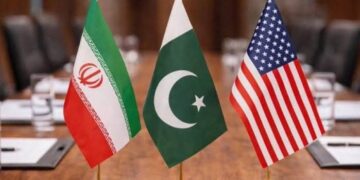
































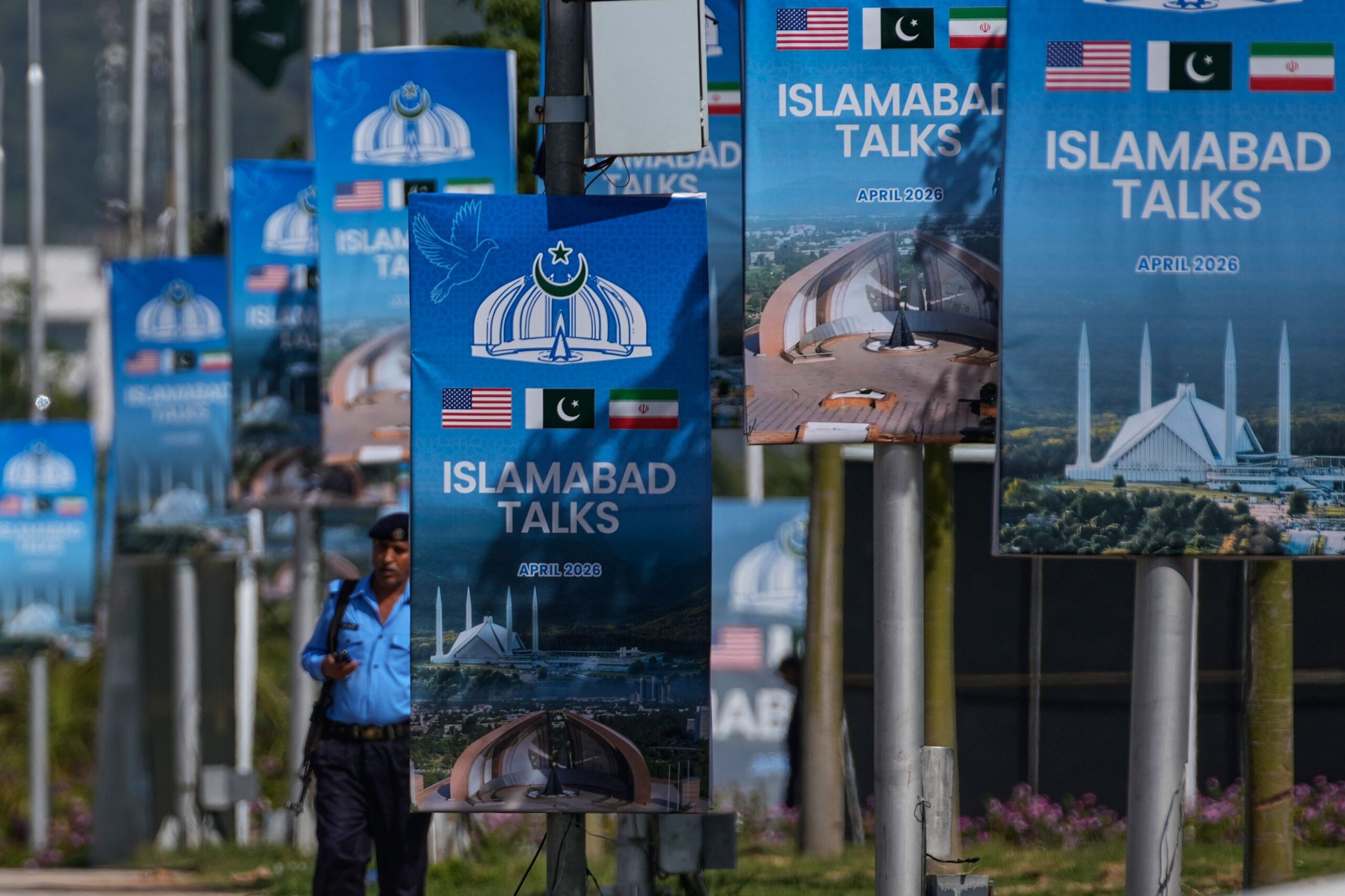
ISLAMABAD/WASHINGTON: U.S. negotiators are set to travel to Islamabad, but Iran has stated that it will not engage in direct talks with American officials to end the ongoing war that has caused heavy casualties and disrupted global markets.

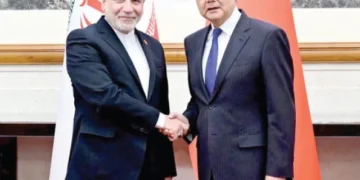
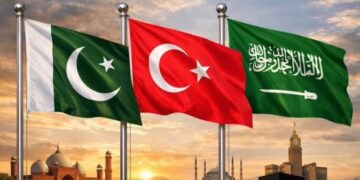
Envoys from the administration of Donald Trump, including Steve Witkoff and Jared Kushner, are scheduled to depart for Pakistan. However, Iranian Foreign Minister Abbas Araqchi has made it clear that Iran will not meet U.S. representatives directly, instead communicating its position through Pakistan as a mediator.
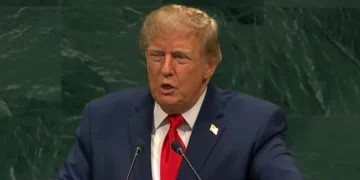
U.S. Defense Secretary Pete Hegseth said Iran still has an opportunity to reach an agreement by abandoning its nuclear weapons ambitions in a verifiable manner. President Trump stated that Iran is preparing an offer that could meet U.S. demands, though details remain unclear. The White House noted some progress in recent days and expressed hope for further developments.
The conflict, now in its ninth week, has significantly impacted global trade and energy markets. Iran has largely restricted access to the Strait of Hormuz, a critical route for global oil shipments, while the U.S. continues to block Iranian oil exports. This has driven oil prices sharply higher and increased concerns over global economic stability.
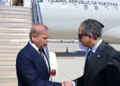
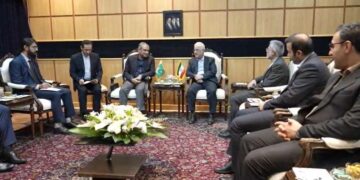
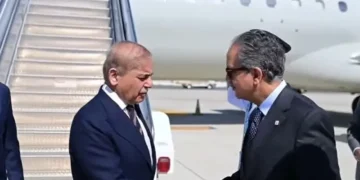
Commercial flights have resumed from Tehran’s Imam Khomeini International Airport after weeks of disruption. Airspace closures during the conflict had forced widespread flight cancellations and rerouting across the Middle East. Araqchi, currently in Islamabad, has held talks with Pakistan’s Foreign Minister Ishaq Dar and is expected to visit Oman and Russia as part of ongoing diplomatic efforts.
Meanwhile, Iran announced it had executed an individual accused of working for Israeli intelligence, alleging involvement in acts of violence and unrest in the city of Isfahan. Despite a temporary ceasefire extended by Trump, tensions remain high. Maritime traffic through the Strait of Hormuz has dropped dramatically, with only a handful of vessels crossing daily compared to normal levels.
Regional tensions persist as well. Fighting continues in southern Lebanon despite a ceasefire extension between Israel and Lebanon. Iran has indicated that progress in Lebanon is a key condition for broader negotiations.