


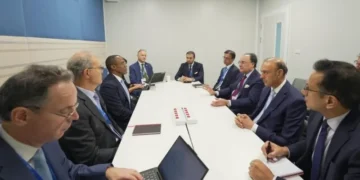











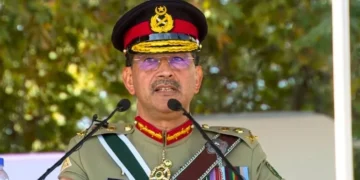
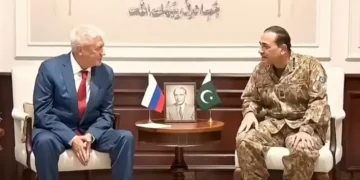
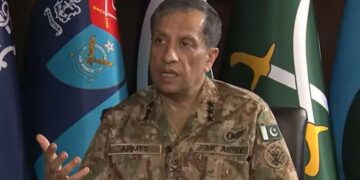




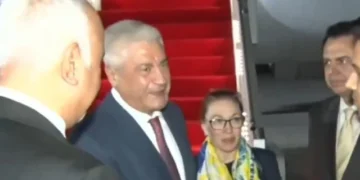




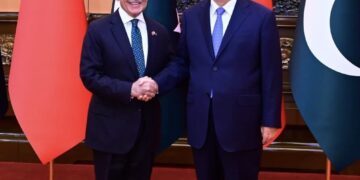






















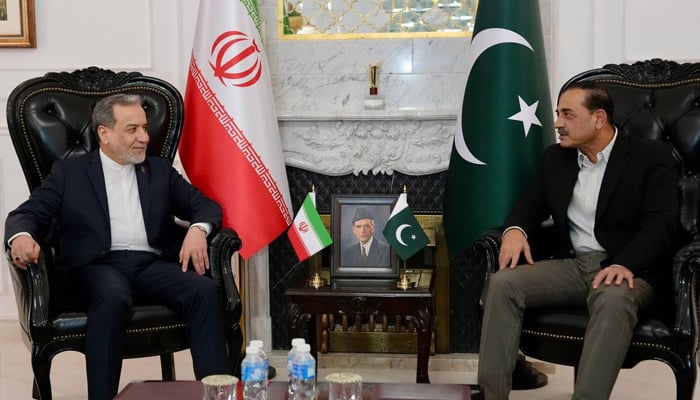
ISLAMABAD: Iranian Foreign Minister Abbas Araghchi met with Pakistan’s Chief of Army Staff and Chief of Defence Forces, Asim Munir, in Islamabad on Saturday as diplomatic efforts intensify to revive negotiations between the United States and Iran. The high-level meeting was also attended by Pakistan’s National Security Adviser Asim Malik and Interior Minister Mohsin Naqvi.

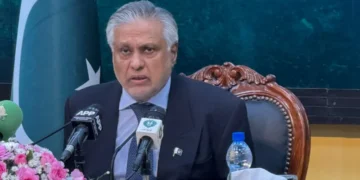
From the Iranian side, Deputy Foreign Minister Kazem Gharibabadi, Ambassador Reza Amiri-Moghaddam, and Foreign Ministry spokesperson Esmaeil Baghaei were present. Araghchi, who arrived in Islamabad on Friday night, is scheduled to hold separate meetings with Prime Minister Shehbaz Sharif and Deputy Prime Minister and Foreign Minister Ishaq Dar. His visit is part of a broader diplomatic tour that also includes Muscat and Moscow.
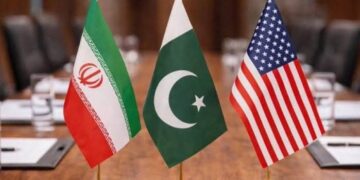
According to official statements, discussions during the visit will focus on regional developments and ongoing efforts to promote peace and stability, particularly in light of the escalating Middle East conflict. Meanwhile, US envoys Steve Witkoff and Jared Kushner are expected to arrive in Pakistan for a new round of talks with Iran aimed at ending the conflict. White House Press Secretary Karoline Leavitt confirmed the development, adding that senior US officials remain on standby for further engagement if required.
The conflict began on February 28 following coordinated strikes by the United States and Israel on Iran, despite ongoing negotiations. A Pakistan-brokered ceasefire came into effect on April 8, leading to the first round of direct US-Iran talks in Islamabad—marking their most significant engagement since the Iranian Revolution.
The earlier round of talks, led by US Vice President JD Vance and Iranian parliamentary speaker Mohammad Bagher Ghalibaf, lasted 21 hours and addressed critical issues such as Iran’s nuclear programme, international sanctions, and the strategic Strait of Hormuz.
However, disagreements over measures related to the Strait of Hormuz have created uncertainty for the second round. Iran had initially blocked the waterway following the February attacks, later reopening it briefly before closing it again in response to a US naval blockade of Iranian ports—an action Tehran considers an act of war.
Despite ongoing tensions, Pakistan has continued its diplomatic efforts to bring both sides back to the negotiating table and extend the ceasefire. Just hours before the truce was set to expire on April 22, US President Donald Trump announced an extension, citing Pakistan’s request to allow more time for negotiations and a unified Iranian proposal.