




















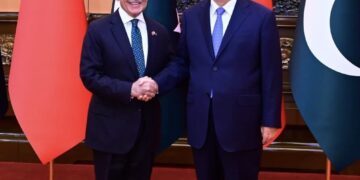

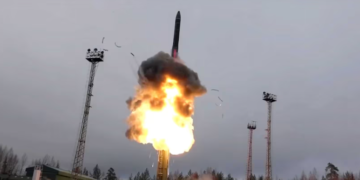






























Wang Yi said on Wednesday that Beijing will take a “greater role” in ending hostilities in the Middle East during talks with his Iranian counterpart, as tensions continue across the region and diplomatic activity intensifies ahead of high-level US–China engagement.

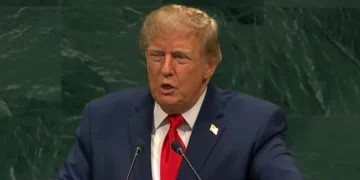
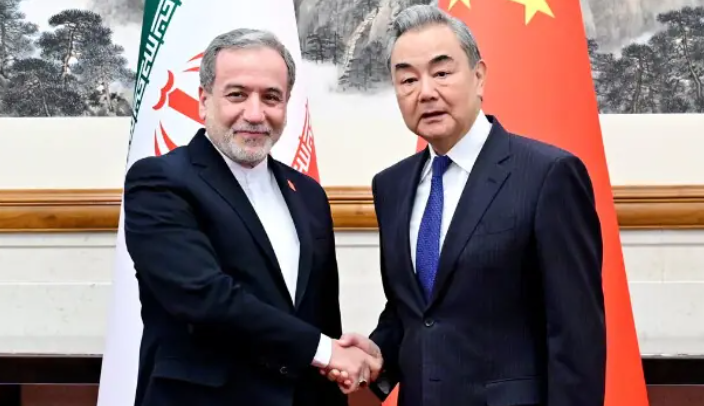
Speaking in Beijing, Wang made the remarks during discussions with Iranian Foreign Minister Abbas Araghchi, just days before a planned meeting between US President Donald Trump and Chinese President Xi Jinping.
China, a major buyer of Iranian oil and heavily dependent on Middle Eastern energy routes, said it would “work harder to ease tensions and end the fighting, continue to support the launch of peace talks, and play a greater role in restoring peace and tranquillity to the Middle East”.
Wang stressed that a “complete cessation of fighting must be achieved without delay” and warned against any return to hostilities, adding that continued negotiations were essential.
He also called for the resumption of safe maritime traffic through the Strait of Hormuz, a key global shipping route that has been disrupted amid the ongoing conflict.
Strategic concerns over energy and trade
China’s reliance on oil imports passing through the region — particularly via the Strait of Hormuz — has made stability in the area a strategic priority. More than half of China’s seaborne crude imports transit through this route.
While China has so far avoided severe fuel shortages due to reserves and renewable energy capacity, officials and analysts note that rising costs of oil-linked goods, including plastics and textiles, are already being felt.
Nuclear and diplomatic positioning
Wang also addressed Iran’s nuclear programme, stating that China “welcomes Iran’s commitment not to develop nuclear weapons”, while affirming Tehran’s right to pursue peaceful nuclear energy.
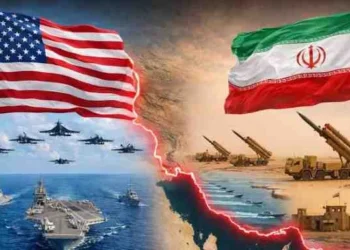
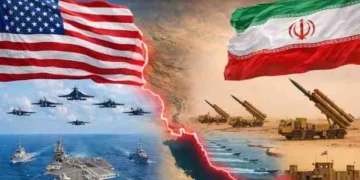
The meeting comes amid broader diplomatic activity, including US efforts to manage regional tensions and discussions over maritime security in the Strait of Hormuz.
Washington has recently paused a naval escort operation in the area as part of ongoing efforts to revive peace talks with Iran, which remain stalled over nuclear-related disputes.
Wider diplomatic backdrop
The development comes ahead of Trump’s expected visit to Beijing later this month, although China has not formally confirmed the trip.
China has recently hosted multiple foreign leaders as it seeks to position itself as a stabilising global power amid shifting geopolitical alignments and ongoing conflicts involving the United States and its allies.