
































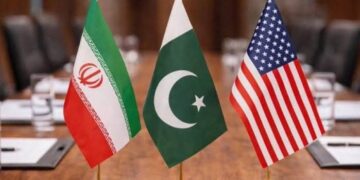


























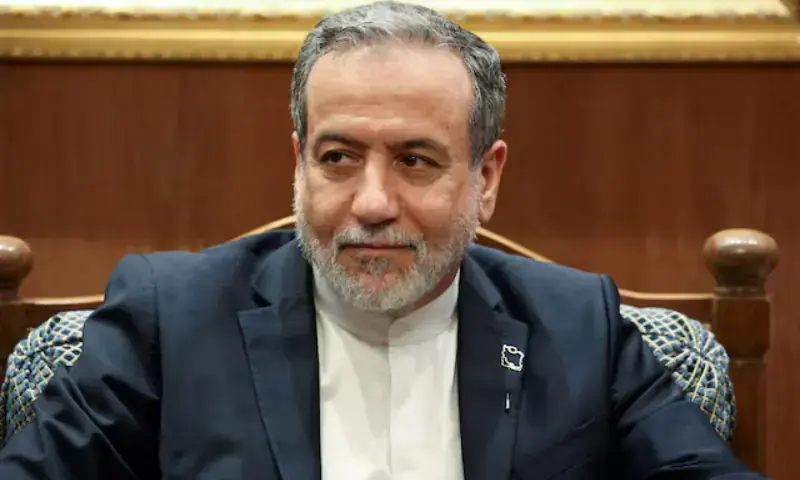
TEHRAN (MNN); Iran’s Foreign Minister Abbas Araghchi has clarified that Tehran has never refused to attend peace talks in Islamabad, dismissing reports suggesting otherwise amid ongoing tensions involving the United States and Israel.

In a statement shared on X, Araghchi said Iran’s stance was being misrepresented by segments of the US media. He reiterated that Iran values Pakistan’s diplomatic efforts and remains open to dialogue, provided that the terms ensure a lasting and conclusive end to what he described as an “illegal war” imposed on his country.
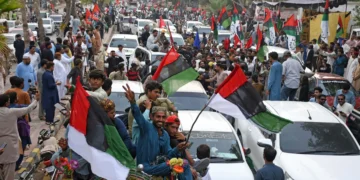
The Iranian foreign minister expressed gratitude toward Pakistan and even shared a video showing Iranian citizens waving Pakistani flags in appreciation. He concluded his message with the phrase “Pakistan Zindabad” written in Urdu, symbolizing goodwill between the two nations.
His remarks came shortly after a report by The Wall Street Journal claimed that Pakistan-led mediation efforts for a ceasefire between Iran and the United States had reached a deadlock.
Pakistan’s Deputy Prime Minister and Foreign Minister Ishaq Dar welcomed Araghchi’s clarification, calling it timely and constructive. Meanwhile, Foreign Office spokesperson Tahir Andrabi urged media outlets to rely on verified information, warning that speculation only adds to confusion.
The clarification follows recent reports indicating that Tehran had not formally responded to dialogue proposals despite ongoing backchannel communications. Pakistan has been actively positioning itself as a mediator, leveraging its diplomatic ties with Washington, its working relationship with Tehran, and its strategic partnership with Beijing.
Earlier, Prime Minister Shehbaz Sharif had offered to host meaningful peace talks on March 24, stating Pakistan was ready and honoured to facilitate negotiations between the United States and Iran.
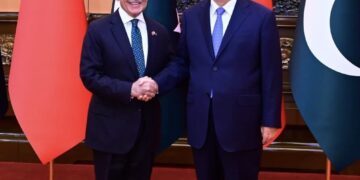
Islamabad also hosted a quadrilateral meeting of foreign ministers last week, reaffirming its commitment to peace. On March 31, Pakistan and China jointly proposed a five-point initiative aimed at restoring stability in the Middle East, including an immediate ceasefire.
An Iranian official in Tehran also rejected claims that Iran had declined talks in Islamabad. However, he pointed out that the conditions proposed by Washington were unacceptable, describing a 15-point plan as overly demanding and difficult to accept.
The official further emphasized that Iran’s immediate priority remains the ongoing conflict rather than negotiations. He cited deep mistrust of US intentions, noting that recent military deployments contradict Washington’s stated desire for dialogue.
Raising security concerns, the official warned that individuals involved in peace initiatives could become targets, referencing recent incidents where Iranian leaders engaged in de-escalation efforts were attacked.
Despite these challenges, the official praised Pakistan’s role, acknowledging that its leadership is making sincere efforts to bring an end to hostilities in the region.