











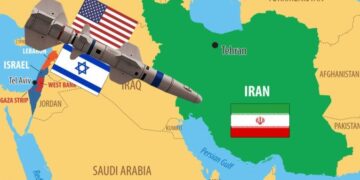




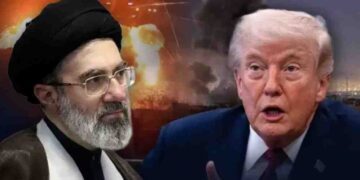



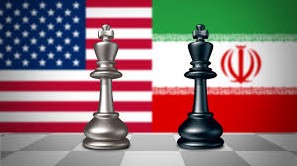





























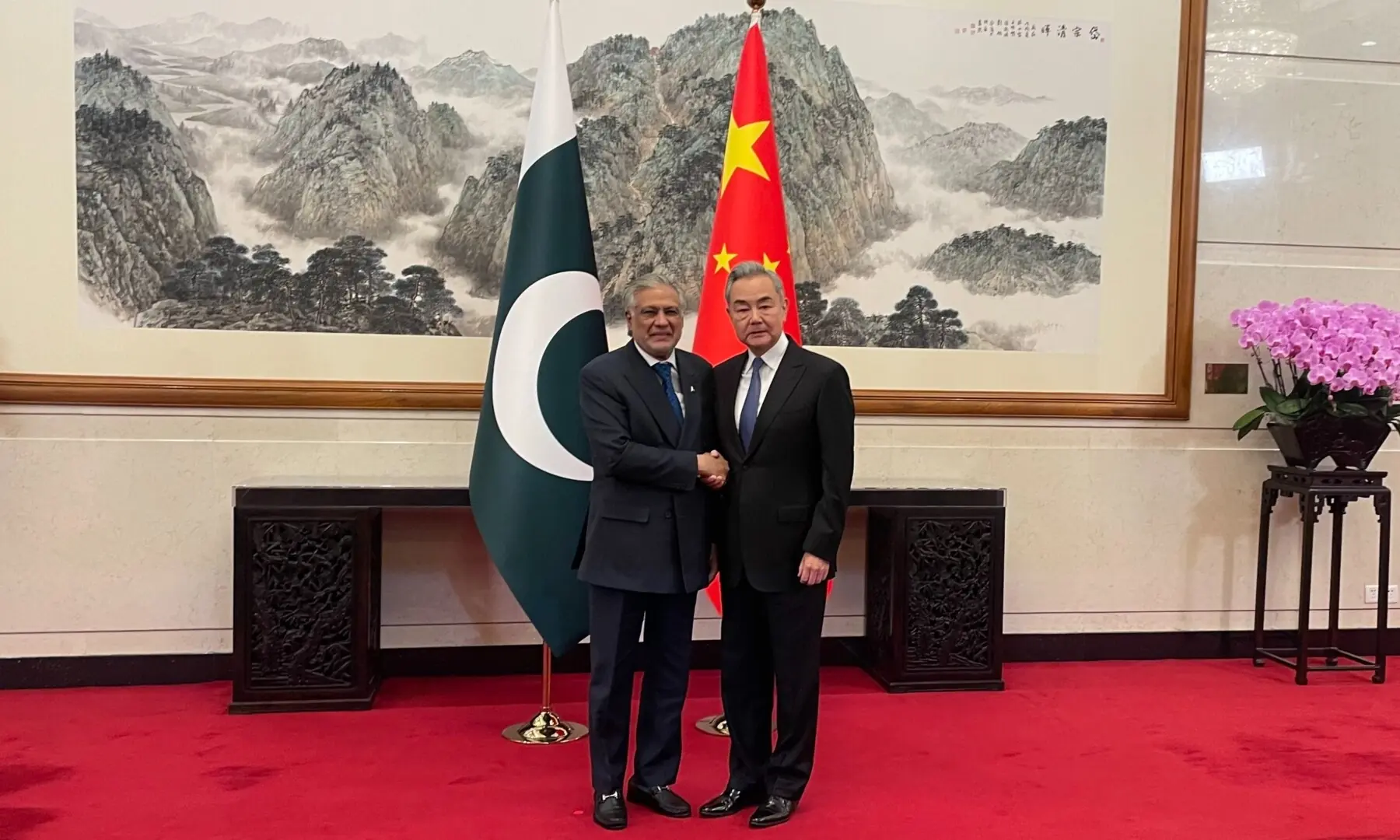
BEIJING (MNN); Pakistan and China on Tuesday unveiled a five-point initiative aimed at restoring peace and stability in the Gulf and Middle East amid the ongoing US-Israeli conflict with Iran.

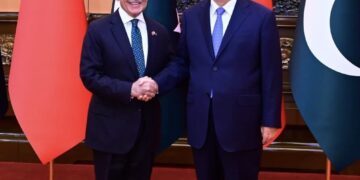
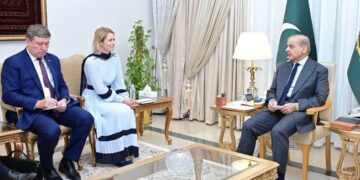
The initiative was announced during a one-day visit by Deputy Prime Minister and Foreign Minister Ishaq Dar to Beijing at the invitation of Chinese Foreign Minister Wang Yi.
According to a statement, both sides called for an immediate ceasefire and urged all parties to prevent further escalation. They stressed the need to allow humanitarian assistance to reach all affected areas and to initiate peace talks without delay.
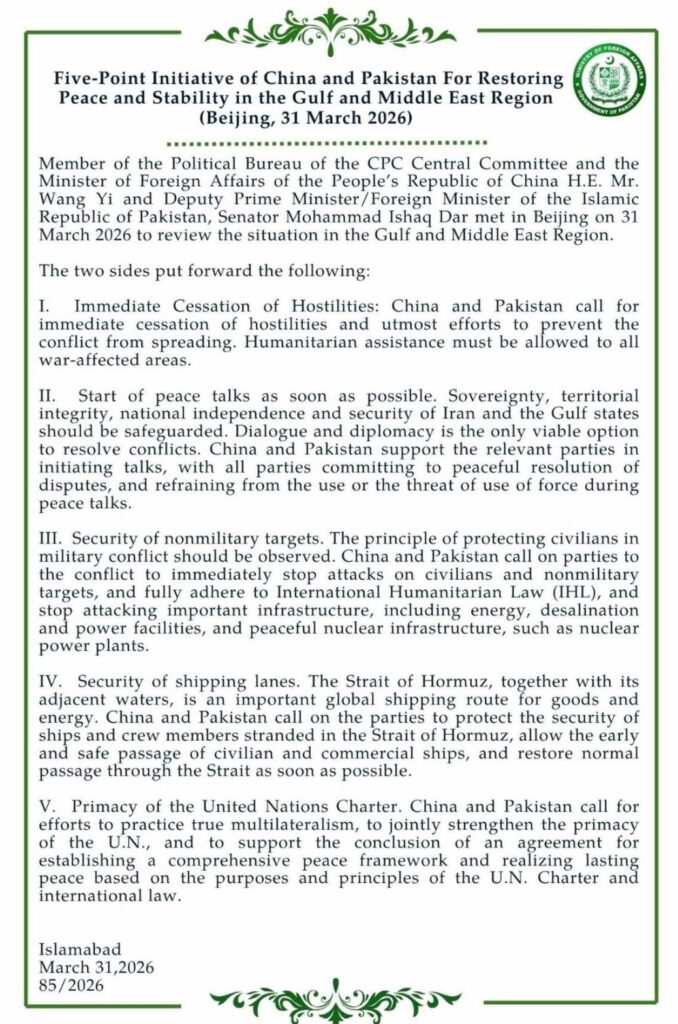
The two countries emphasised the importance of respecting sovereignty, territorial integrity, and national independence of Iran and Gulf states, underscoring that dialogue and diplomacy remain the only viable path to resolving conflicts.
They also urged all parties to avoid targeting civilians and non-military infrastructure, including energy facilities, desalination plants, and nuclear installations, in line with international humanitarian law.
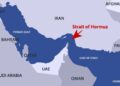
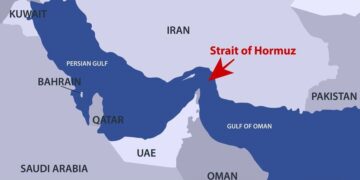
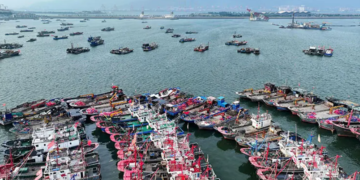
Highlighting maritime concerns, both countries called for ensuring the safety of shipping routes, particularly the Strait of Hormuz, and demanded safe passage for commercial and civilian vessels.
The final point stressed strengthening multilateral cooperation, supporting the role of the United Nations, and working towards a comprehensive and lasting peace framework based on international law.
During the visit, Dar and Wang Yi also held extensive discussions covering bilateral ties and regional developments. Both sides reaffirmed their commitment to further strengthening their long-standing strategic partnership, particularly as the two countries mark 75 years of diplomatic relations this year.
Special focus was placed on expanding economic and strategic cooperation, including progress under the China-Pakistan Economic Corridor (CPEC).
Wang Yi appreciated Pakistan’s diplomatic efforts in promoting peace, while both sides agreed to maintain close coordination at international forums.
Separately, China expressed its intent to enhance coordination with Pakistan regarding the Iran situation, with officials highlighting the importance of joint efforts to promote peace.
Iran’s Ambassador to Pakistan, Reza Amiri Moghadam, welcomed Islamabad’s diplomatic initiatives, praising Pakistan’s role in seeking de-escalation and stability in the region.
His remarks followed a recent four-nation meeting hosted by Pakistan with Saudi Arabia, Türkiye, and Egypt, where foreign ministers emphasised dialogue and supported efforts to facilitate negotiations between Washington and Tehran.
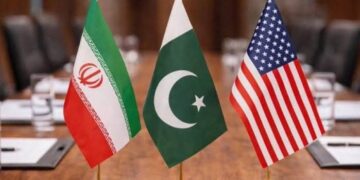
Pakistan has increasingly positioned itself as a potential mediator in the conflict, with officials indicating that indirect communication between the United States and Iran is ongoing through diplomatic channels.