


















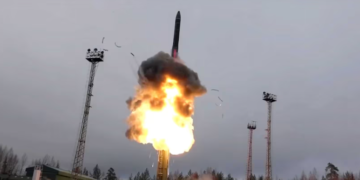



























NEWS DESK (MNN); Iran launched multiple waves of missiles toward Israel on Tuesday, according to the Israeli military, intensifying tensions just a day after Donald Trump described ongoing diplomatic efforts as “productive” in attempts to halt the escalating Middle East conflict.

Three senior Israeli officials indicated that while Trump appears committed to securing a deal, they doubt Iran will accept US conditions in any upcoming negotiations. Despite Trump’s remarks on Truth Social, Tehran maintained that no formal discussions had taken place.
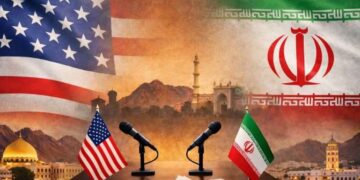
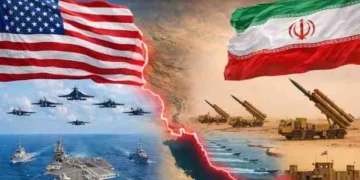
Iran’s embassy in South Africa mocked Trump’s suggestion about jointly controlling the Strait of Hormuz with Iran’s leadership, posting a symbolic image on social media.
Israeli Prime Minister Benjamin Netanyahu, who recently spoke with Trump, is expected to hold high-level security consultations regarding Washington’s renewed push for negotiations with Iran.
The United States and Israel launched coordinated strikes on Iran on February 28, citing insufficient progress in talks aimed at curbing Iran’s nuclear programme, despite mediation efforts by Oman.
The conflict has since spread across the region. Iran has targeted countries hosting US military bases, struck critical energy facilities, and effectively disrupted traffic through the Strait of Hormuz, a key route for global oil and gas supplies.
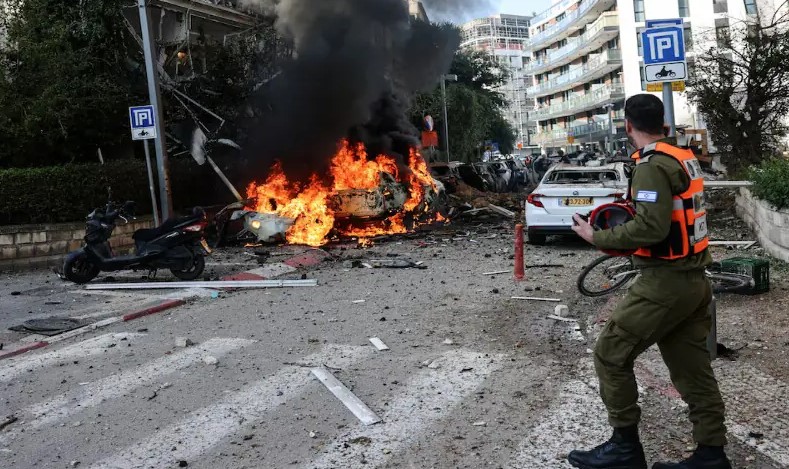
Missile strikes on Tuesday triggered air raid sirens in Tel Aviv, where a residential building sustained severe damage. Emergency teams are searching for survivors, with reports of civilians trapped under debris.
Israel’s military said it carried out extensive airstrikes in central Tehran, targeting key command centers linked to the Islamic Revolutionary Guard Corps and intelligence agencies, along with dozens of missile-related sites.
Explosions were reported across Tehran as air defence systems responded to the attacks, according to Iranian media.
Trump announced a five-day delay in a planned strike on Iran’s power infrastructure, contingent on Tehran reopening the Strait of Hormuz. Iran has warned it would retaliate by targeting infrastructure in allied countries across the region.
Markets initially reacted positively to Trump’s delay, with oil prices falling below $100 per barrel. However, uncertainty returned after Mohammad Baqer Qalibaf denied any negotiations with the US, calling such reports “fake news” aimed at influencing financial markets.
Meanwhile, global markets remain volatile, with oil prices rebounding and analysts warning that the situation remains highly unstable amid what the International Energy Agency has termed an unprecedented disruption to energy supplies.