



































Web Desk (MNN); Hakan Fidan has called on Iran to avoid widening the ongoing Middle East conflict, describing Tehran’s attacks on regional countries as “unacceptable” while urging restraint and diplomacy.

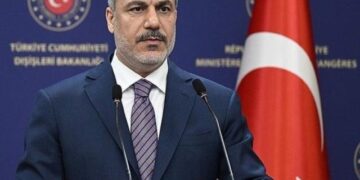
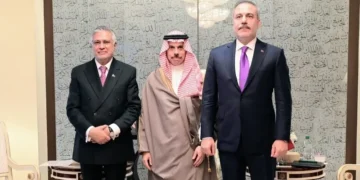
Speaking at a joint press conference with Sheikh Mohammed bin Abdulrahman bin Jassim Al Thani in Qatar, the Turkish foreign minister said Turkiye has been actively engaging with both the United States and Iran to assess their positions and explore ways to de-escalate the crisis.
Fidan said Turkiye had conveyed “friendly advice” to Tehran, urging it not to expand the conflict further in the region. While he identified Israel as the primary instigator of the war, he stressed that Iran carries a “historic responsibility” to avoid targeting neighbouring countries.
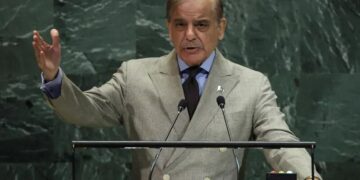
Meanwhile, Antonio Guterres also issued a strong appeal for de-escalation, calling on both the United States and Israel to immediately end the war on Iran.
Addressing reporters in Brussels after meeting European Union leaders, Guterres warned that the conflict risks spiralling out of control, causing widespread civilian suffering and severe economic repercussions globally.
“It is time to end this war,” he said, cautioning that its continuation could have “tragic consequences,” particularly for the world’s most vulnerable nations.
Turning to Iran, the UN chief urged it to stop attacking neighbouring countries, noting that they were not parties to the conflict.
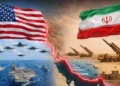
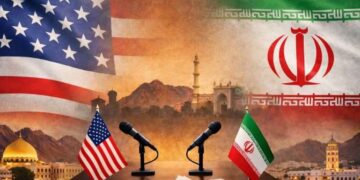
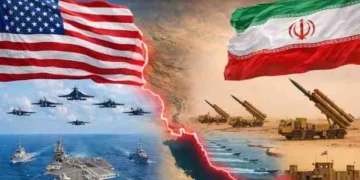
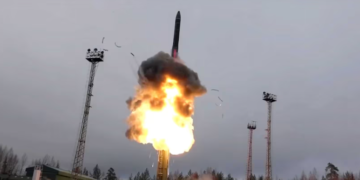
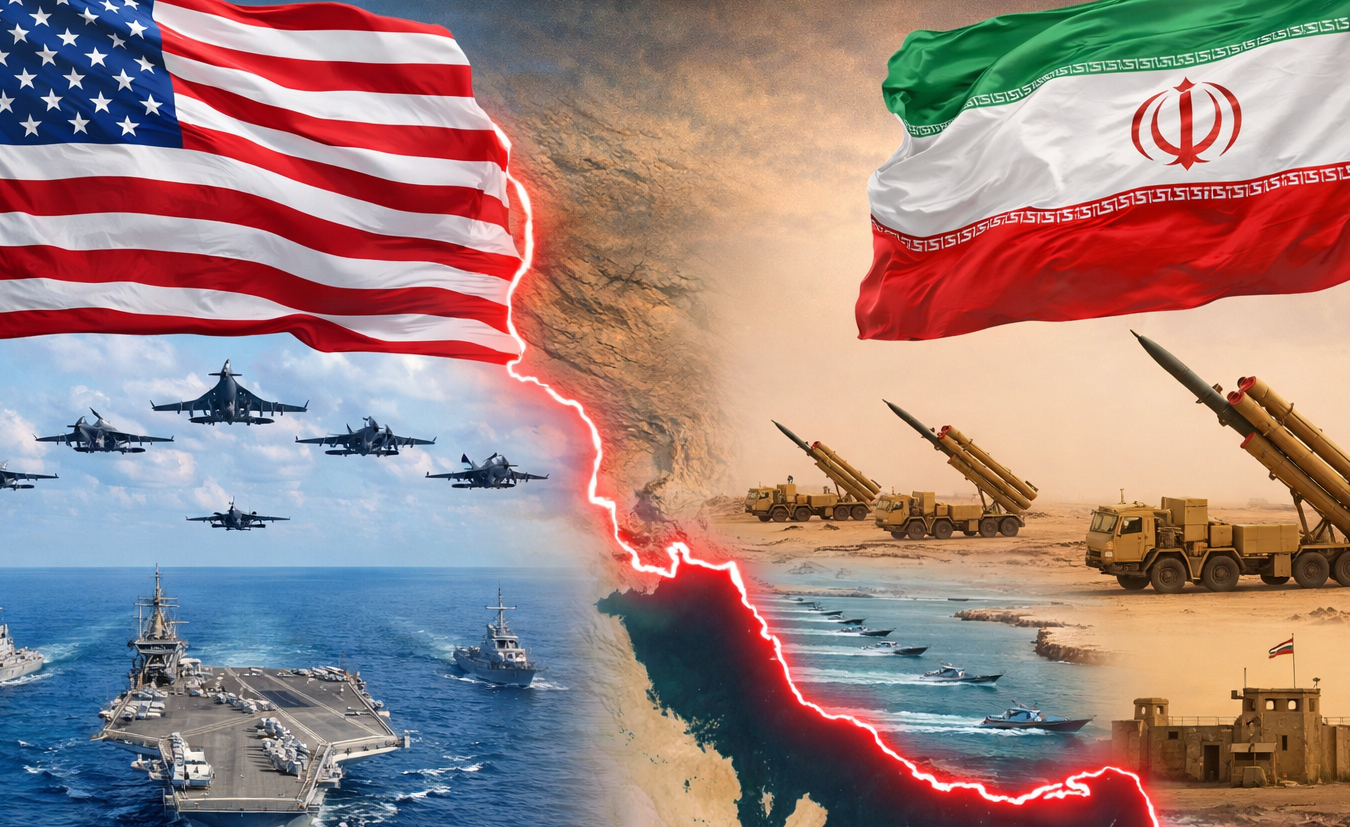
The crisis began on February 28 when the United States and Israel launched strikes on Iran, which reportedly led to the assassination of Ayatollah Ali Khamenei. Since then, the conflict has expanded, with Iran retaliating by targeting US assets and military bases across Gulf states.
The situation has further intensified diplomatic divisions at the United Nations Security Council. On March 11, the council adopted a Bahrain-backed resolution condemning Iran’s attacks in Gulf countries, while a separate resolution proposed by Russia calling for de-escalation was vetoed by the United States.
Beyond the battlefield, the conflict has triggered a global energy crisis and rising inflation, particularly due to disruptions in shipping through the Strait of Hormuz and repeated attacks on oil and gas infrastructure.
Guterres emphasised that the Security Council had already demanded an end to attacks on neighbouring states and called for the reopening of the Strait of Hormuz.
He warned that prolonged disruption of this vital trade route would cause widespread economic hardship for populations worldwide, many of whom have no direct involvement in the conflict.
“It is time for diplomacy to prevail over war,” Guterres said, urging all parties to prioritise dialogue over military confrontation.