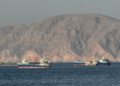


























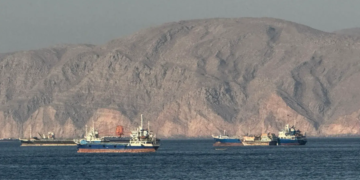




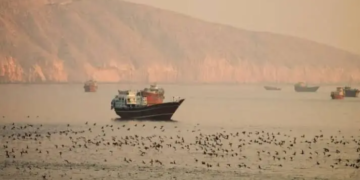






































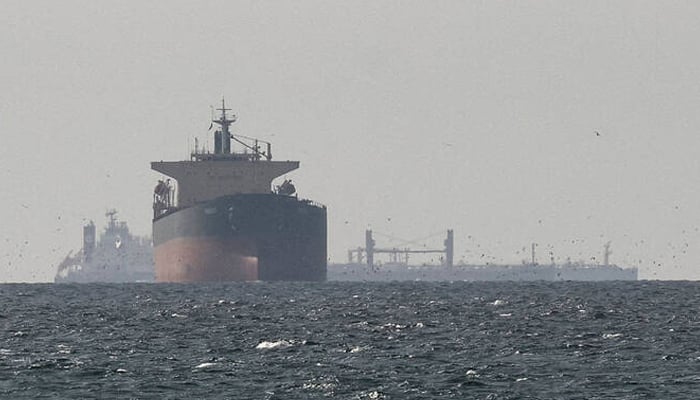
ISLAMABAD: A Pakistani-flagged tanker has navigated the Strait of Hormuz by sailing close to Iran’s coastline, signaling a possible shift in how vessels pass through one of the world’s most critical energy chokepoints during escalating regional conflict. According to a Bloomberg report, the tanker Karachi sailed with open tracking signals through a narrow passage between the Iranian islands of Larak Island and Qeshm Island before continuing along the coast into the Gulf of Oman.

The development comes as tensions intensify amid the ongoing conflict involving the United States, Israel, and Iran, now in its third week and resulting in over 2,000 deaths. The Strait of Hormuz, responsible for transporting around 20% of the world’s oil and liquefied natural gas, has been significantly disrupted, raising global concerns about energy supplies and inflation.
Vessel-tracking data shows that other ships, including bulk carriers and liquefied petroleum gas tankers, have also begun using the same route while transmitting signals, even as many vessels in the region switch off transponders for security reasons. However, electronic interference has made it difficult to fully track these journeys. Analysts suggest that this emerging pattern may indicate a new system controlled by Iran. JPMorgan Chase & Co noted that while the strait is not officially closed, safe passage may increasingly depend on political coordination with Tehran.
Harrison Prétat from the Center for Strategic and International Studies said the route’s use appears linked to Iranian approval, potentially allowing Tehran to regulate maritime traffic more closely. He warned this could involve targeting vessels on traditional routes while permitting selected ships to pass through controlled channels.Since the conflict escalated, Iran has reportedly attacked several vessels or deployed maritime threats in the region, leaving some ships stranded in the Persian Gulf while others remain unable to enter. Under normal conditions, ships avoid sailing so close to Iranian waters due to security risks.
Experts also caution that although limited transits have resumed, they represent only a small portion of usual shipping volumes. The proximity to Iranian territory continues to raise concerns among insurers and financial institutions, which may impose stricter conditions or risk classifications on vessels operating in the area.
The situation suggests a growing shift toward a controlled transit system in the Strait of Hormuz, where access may depend less on open navigation and more on strategic and political alignment.