











































































TEHRAN: The war between the United States, Israel and Iran could cause higher fuel prices worldwide for weeks or even months, even if the conflict ends quickly. Damage to energy facilities, shipping disruptions and rising security risks are already affecting global oil and gas supplies.

Global oil prices have surged more than 25% since the war began. The conflict has disrupted about one-fifth of global crude and natural gas supply, mainly due to attacks on ships and energy infrastructure in the Strait of Hormuz, a key route for Middle Eastern oil exports.
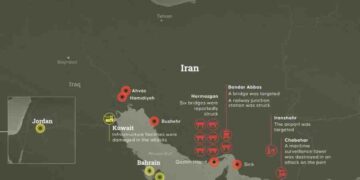
Major oil producers including Saudi Arabia, the United Arab Emirates, Iraq and Kuwait have suspended shipments through the Strait. Around 140 million barrels of oil exports have been halted, causing storage facilities in the Gulf region to fill rapidly and forcing some countries to cut oil production.Analysts say that if shipping does not resume soon, more oilfields across the region may be forced to shut down. Restarting production could take weeks or even months depending on the extent of the shutdowns and the condition of the oilfields.
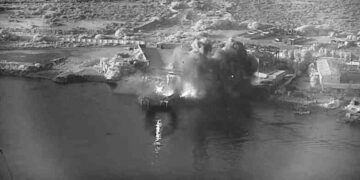
Iran has also targeted energy infrastructure such as refineries and export terminals. Qatar declared force majeure on its gas exports after drone attacks disrupted production. Qatar supplies around 20% of the world’s liquefied natural gas, and it may take at least a month for output to return to normal.
Saudi Arabia’s Ras Tanura refinery and export terminal has also closed following attacks, though the extent of the damage is unclear.The key question for global energy markets is when shipping through the Strait of Hormuz will become safe again. The United States has offered naval escorts for oil tankers and insurance support for vessels operating in the area, but security risks remain because Iran has the capability to continue drone attacks on shipping for months.
Energy disruptions are already affecting global supply chains, especially in Asia which imports about 60% of its oil from the Middle East. Refineries in India and China have reduced operations due to supply shortages, while several Asian countries have suspended fuel exports.
The crisis has also pushed up demand for Russian oil, with prices for Russian crude rising after the United States allowed Indian refiners temporary permission to buy it as an alternative to Middle Eastern supplies.In Europe, the situation is worsening energy pressures because the region already relies heavily on liquefied natural gas imports after reducing Russian pipeline gas following the Russia-Ukraine war.
In the United States, domestic supply is relatively strong, but fuel prices still follow global markets. Average gasoline prices have risen to $3.32 per gallon, while diesel prices have jumped to $4.33 per gallon.
Rising fuel prices are also becoming a political concern for U.S. President Donald Trump ahead of the midterm elections, as energy costs strongly influence public perception of inflation.