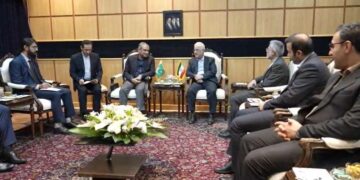





















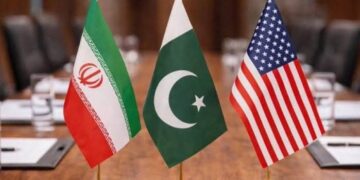




















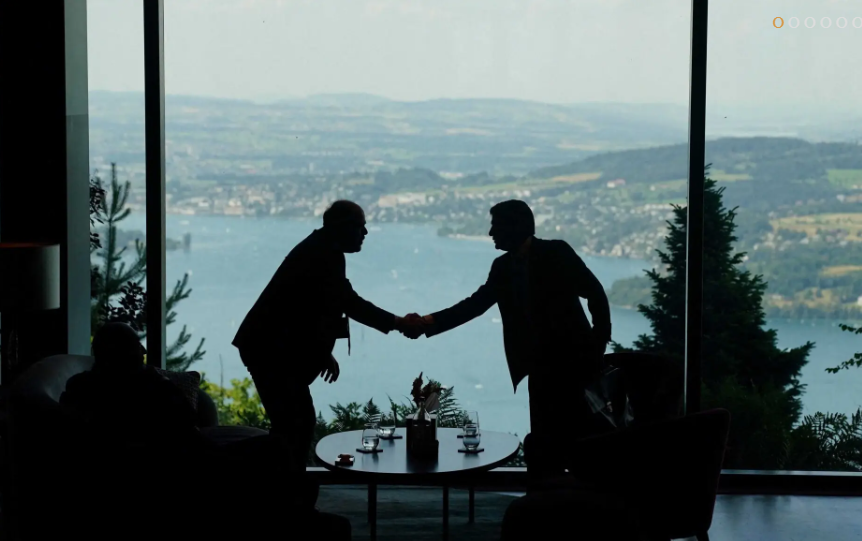
The United States and Iran have agreed on a roadmap aimed at reaching a final peace agreement within 60 days after hours of negotiations at the Swiss resort of Burgenstock, according to a joint statement issued by mediators Pakistan and Qatar.

The talks, held under the framework of the Islamabad Memorandum of Understanding (MoU) signed last week, concluded with what mediators described as “encouraging progress” and the establishment of mechanisms to continue negotiations.
Pakistan and Qatar announced the creation of a high-level committee to provide political oversight of the mediation process. Chief negotiators will regularly report to the committee while leading working groups focused on nuclear and sanctions issues, as well as a monitoring and dispute resolution mechanism to oversee implementation of the MoU.
The two sides also agreed to establish a direct communication line for the next 60 days to prevent misunderstandings and ensure the safe passage of commercial vessels through the Strait of Hormuz. Additionally, a de-confliction cell involving the US, Iran, Lebanon and the mediators will be set up to help enforce the cessation of military operations in Lebanon.
Technical-level negotiations are set to continue throughout the week in Switzerland as both parties work towards a comprehensive settlement.
Iranian Foreign Minister Abbas Araghchi welcomed the outcome, saying “tireless Pakistani and Qatari mediation has delivered major progress to end the Lebanon war”.
“Oil and petrochem exports are waived, blockade lifted, some frozen assets released, and major reconstruction and development plan launched for Iran,” he said.
“1st real test: Lebanon deconfliction cell,” he added.
A US official said negotiators held extensive discussions on all aspects of a potential nuclear agreement, the Strait of Hormuz and mechanisms to maintain the ceasefire in southern Lebanon.
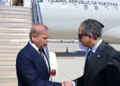
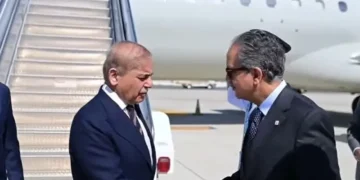
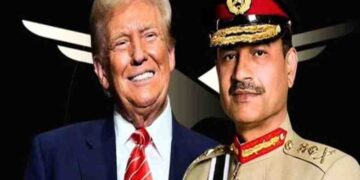
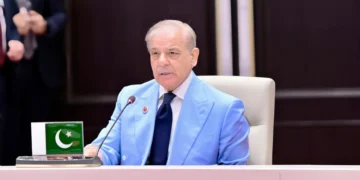
Addressing the opening session of the talks, Prime Minister Shehbaz Sharif expressed hope that the negotiations would produce lasting peace, progress and prosperity. He thanked US President Donald Trump and Vice President JD Vance for their leadership and praised Chief of Defence Forces Field Marshal Asim Munir for his role in advancing the mediation effort.
Vance described the meeting as historic and stressed that “peace requires give and take”.
“What today really represents is the beginning of a technical negotiation that’s not going to solve every disagreement, but is going to allow us to sit together as teams, for the first time really in history, to figure out what matters most to the respective parties, to settle those issues, to solve those issues, and get to a better tomorrow,” he said.
He added that if Iran abandons nuclear weapons ambitions in the long term, the United States is prepared to transform its relationship with Tehran.
The quadrilateral talks brought together delegations from the United States, Iran, Pakistan and Qatar and follow the signing of a 14-point interim agreement between Washington and Tehran that ended more than 100 days of conflict and reopened the Strait of Hormuz.
Under the agreement, the two sides are working towards a final settlement of outstanding issues, including Iran’s nuclear programme. The deal also envisions a major reconstruction package for Iran once a comprehensive agreement is reached.