











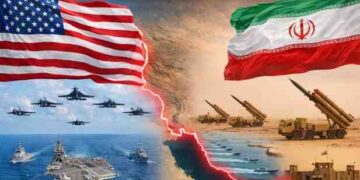




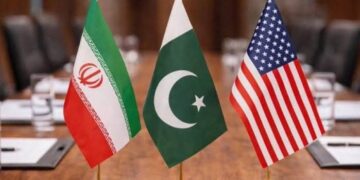
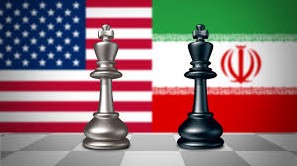



















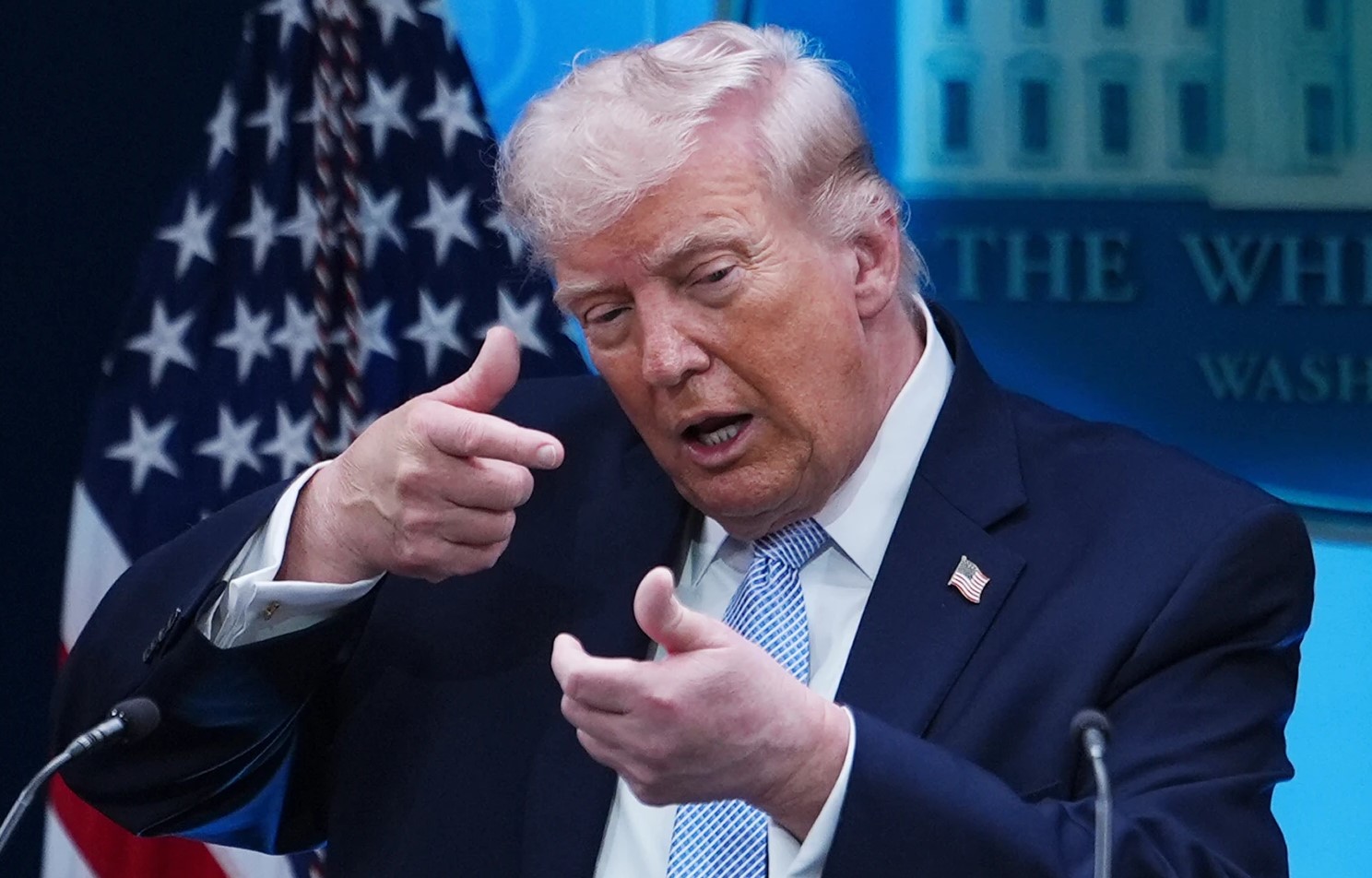
BUERGENSTOCK/ISLAMABAD/TEHRAN (MNN); U.S. President Donald Trump on Sunday warned Iran of possible renewed military action as American and Iranian officials held their first talks under a recently signed interim peace agreement in Switzerland. The negotiations were overshadowed by Tehran’s announcement that it had once again closed the Strait of Hormuz, citing continued hostilities in Lebanon.

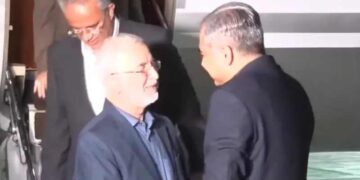
The talks, held at the Bürgenstock resort under Qatari mediation, marked the first meeting since the signing of a memorandum of understanding aimed at reopening the strategic waterway and ending regional conflicts, including fighting in Lebanon.
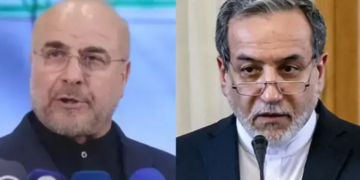
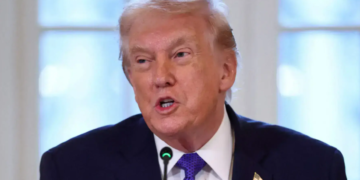
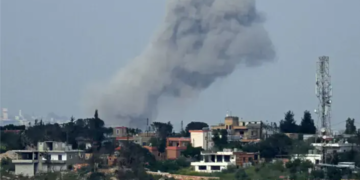
Trump accused Iran-backed groups in Lebanon of destabilising the region and warned Tehran against further escalation. Iranian Parliament Speaker and chief negotiator Mohammad Bagher Ghalibaf dismissed the threats, saying Iran’s armed forces were fully prepared to respond to any aggression.
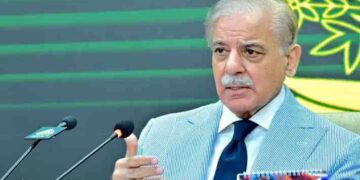
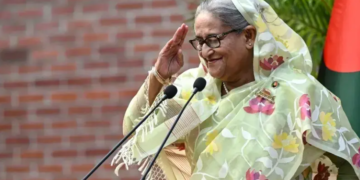
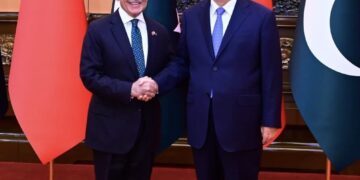
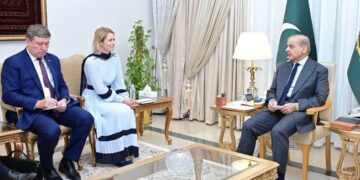
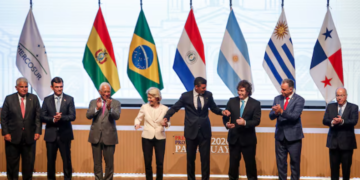
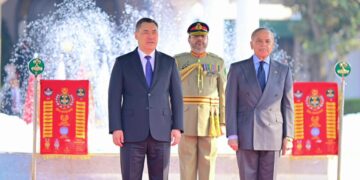
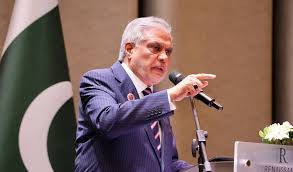
Speaking on the sidelines of the Lake Lucerne Summit, Prime Minister Shehbaz Sharif praised the Iranian leadership for handling the crisis with dignity and a commitment to peace. He also described President Trump as a leader seeking regional stability and credited his diplomatic efforts with helping avert a wider conflict between Pakistan and India earlier this year.
The prime minister welcomed improving Pakistan-U.S. relations, expressing gratitude for Washington’s support in economic cooperation and counterterrorism efforts. He said the renewed engagement could open a new chapter of close coordination between the two countries.
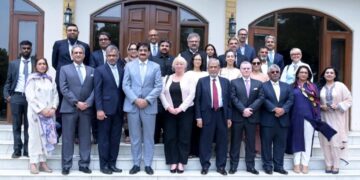
PM Shehbaz also met Swiss Foreign Minister Ignazio Cassis, thanking Switzerland for its constructive role following the signing of the Islamabad Memorandum of Understanding. Both sides agreed that successful implementation of the agreement could contribute to regional peace, stability and global economic prosperity.
During the talks, U.S. Vice President JD Vance said President Trump wanted to “turn over a new leaf” in relations with Iran and stressed that progress had been made toward reducing tensions in Lebanon. However, Iranian officials maintained that discussions would focus only on implementing the memorandum and not on substantive issues such as Tehran’s nuclear programme.
Iran insists that further negotiations, including talks on its nuclear activities, cannot proceed until fighting in Lebanon ends and promised economic benefits, including sanctions relief and access to frozen assets, begin to materialise.
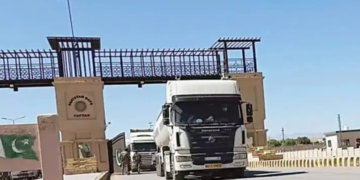
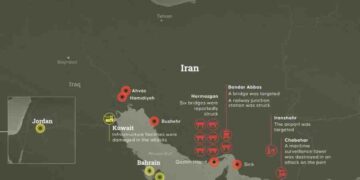
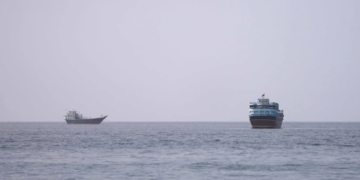
Tehran’s decision to again close the Strait of Hormuz raised concerns over global energy supplies. Shipping data indicated a sharp decline in maritime traffic through the strategic waterway, although U.S. officials disputed Iran’s claim that the route had been effectively shut.