













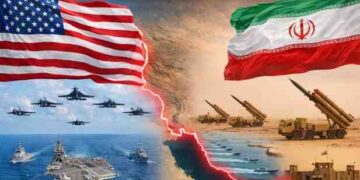



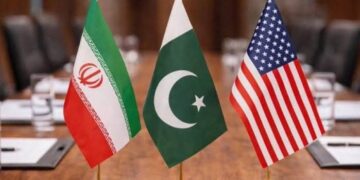
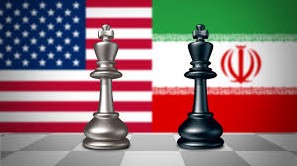




























The United States will allow Iran to resume oil and fuel sales immediately after the signing of an interim peace agreement aimed at ending the conflict in the Middle East, according to a senior US official.

The official said Iran would only be able to benefit from the agreement if it complies with all commitments, including abandoning any pursuit of nuclear weapons, neutralising enriched nuclear material and ensuring freedom of navigation through the Strait of Hormuz. “Iran can only access any benefits of the MoU if they abide by all of the points they agreed to including no nuclear weapon, neutralising its enriched material, and not interfering with the free flow of navigation in the Strait of Hormuz,” the official said.
Under the agreement, sanctions waivers on Iranian oil exports will take effect once the deal is formally signed later this week. Banking, transportation and insurance services linked to oil sales will also be restored.
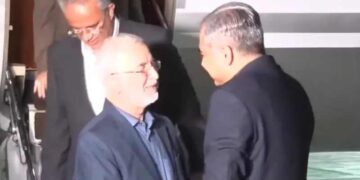
Iranian Foreign Minister Abbas Araghchi said upcoming negotiations in Switzerland would take place in two stages. The first round, scheduled to begin Friday at the Swiss resort of Burgenstock, will focus on issues including the Strait of Hormuz, the US naval blockade and post-war reconstruction. A second phase will address nuclear issues and broader sanctions relief.
US President Donald Trump said the agreement would prevent Iran from acquiring a nuclear weapon and described it as “a wall to a nuclear weapon” for Tehran. Iranian President Masoud Pezeshkian called the interim accord an “important step” towards ending hostilities but noted that a final and lasting settlement has yet to be achieved.
US and Iranian officials indicated that the agreement could eventually provide significant economic benefits to Iran, including sanctions relief, access to frozen assets and a proposed $300 billion reconstruction fund financed by Gulf states affected by the conflict.
Meanwhile, both sides announced that the Strait of Hormuz would reopen from Friday. Iranian Deputy Foreign Minister Majid Takht-Ravanchi said the US naval blockade of Iranian ports had already begun to ease ahead of the formal signing ceremony. Iranian state media also reported the resumption of maritime operations, although vessels would still be required to coordinate with the Revolutionary Guards.
Despite diplomatic progress, maritime monitoring firms reported that shipping traffic through the strategic waterway remains well below normal levels. The strait typically handles around one-fifth of global oil and liquefied natural gas trade.
The situation in Lebanon remains unresolved, with Iran insisting that any lasting agreement should include a complete halt to hostilities between Israel and Hezbollah. Israeli Prime Minister Benjamin Netanyahu has maintained that Israeli forces will remain in southern Lebanon and retain the right to respond to attacks. Trump also voiced dissatisfaction with Israel’s handling of the conflict.
Separately, Iran’s parliament speaker Mohammad Bagher Ghalibaf called on Israel to withdraw from areas it occupies in southern Lebanon, saying displaced residents should be allowed to return to their homes.