













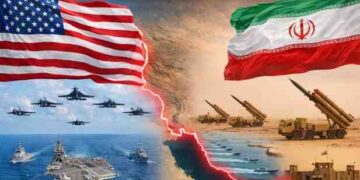




























The United States and Iran have reached a preliminary agreement aimed at ending the conflict between the two countries, lifting the US blockade on Iran, and reopening the Strait of Hormuz. The framework agreement, announced on Monday, led to a sharp decline in global oil prices, although key issues surrounding Iran’s nuclear programme will be addressed in future negotiations.

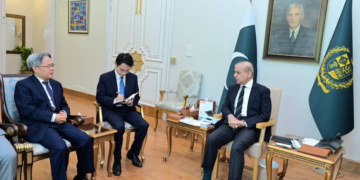
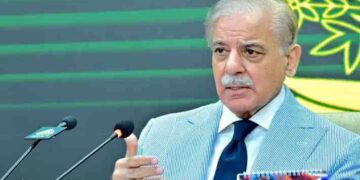
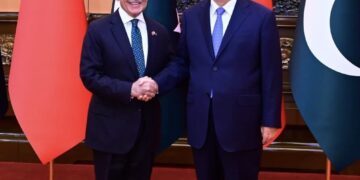
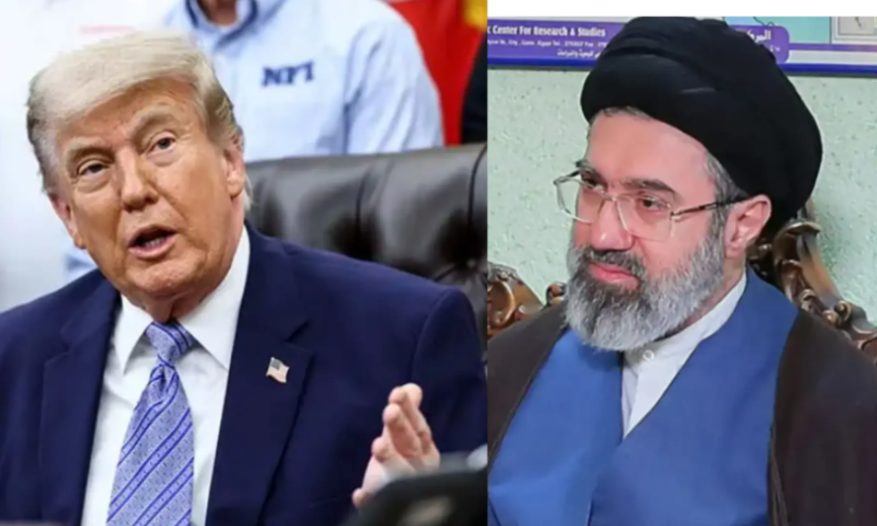
US President Donald Trump declared on Truth Social that “The Deal with the Islamic Republic of Iran is now complete,” while Prime Minister Shehbaz Sharif confirmed that both sides had agreed to an immediate and permanent cessation of military operations on all fronts, including Lebanon. The official signing ceremony is scheduled to take place in Switzerland on Friday, June 19.
PM Shehbaz credited Qatar, Saudi Arabia, and Turkiye for their role in facilitating the agreement and said a series of meetings would be held this week to prepare for technical discussions and implementation. Iran’s Supreme National Security Council also announced that military operations would permanently cease from Monday night.
Iranian Deputy Foreign Minister Kazem Gharibabadi described the agreement as bringing an “immediate end” to the war and said negotiations toward a final settlement would begin within two months. However, Israel, which was not a participant in the talks, reacted cautiously. Israeli National Security Minister Itamar Ben Gvir stated, “Trump’s agreement does not bind us … we are not party to this agreement. It does not safeguard our security.”
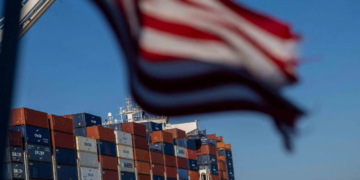
As part of the understanding, Trump announced that the Strait of Hormuz would reopen on Friday and that the United States would end its blockade of Iranian ports, saying, “Ships of the World, start your engines. Let the oil flow!” The announcement pushed Brent crude and US oil prices down by more than four per cent, while Asian stock markets rallied.
While the broad framework has been agreed upon, details remain uncertain. Iranian media reported that the United States would release billions of dollars in frozen Iranian assets before negotiations begin. Reports also suggest that a larger release of assets could occur during a 60-day negotiation period following the signing of a memorandum of understanding.
The future of Iran’s nuclear programme remains unresolved and will be a central issue in upcoming talks. According to sources, negotiations will focus on Tehran’s stockpile of highly enriched uranium and measures to ensure that Iran does not develop nuclear weapons.
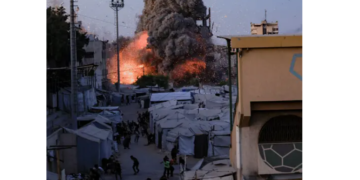
The agreement follows months of conflict involving Iran, the United States, Israel, and regional actors, which has resulted in thousands of deaths and significant disruption to global energy markets. International leaders welcomed the breakthrough, with European powers expressing readiness to ease sanctions if Iran takes verifiable steps to limit its nuclear activities.
British Prime Minister Keir Starmer stressed the importance of restoring maritime security, stating, “We are clear that toll-free freedom of navigation must now be restored in the Strait of Hormuz,” while adding, “Iran must never have a nuclear weapon.”