


































































Iran on Monday said it made “legitimate” demands in its latest formal response to a US peace proposal, after US President Donald Trump rejected the offer as “totally unacceptable”.

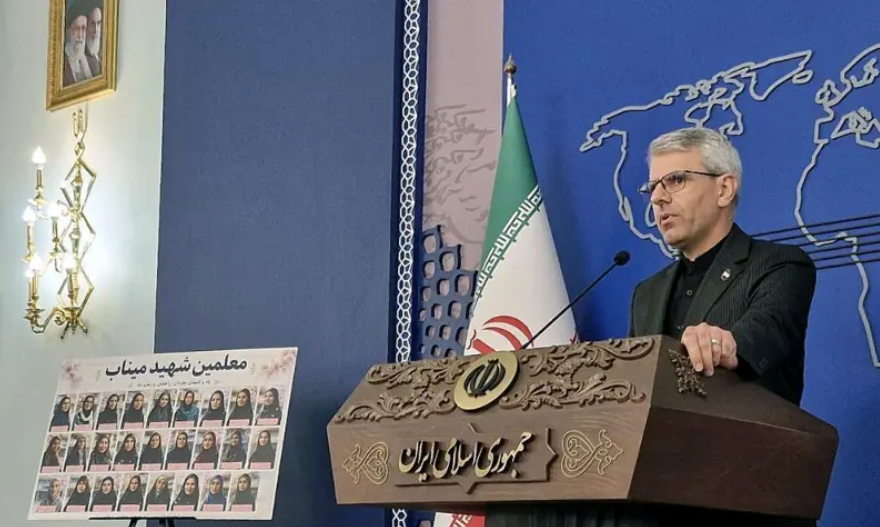
Foreign Ministry spokesperson Esmaeil Baqaei said Tehran’s response focused on ending regional conflict, lifting the US blockade on Iranian ports, and unfreezing Iranian assets held abroad.
“We did not demand any concessions. The only thing we demanded was Iran’s legitimate rights,” Baqaei said during a weekly press briefing.
He added that Iran also called for an end to regional hostilities, the removal of what it described as US restrictions, and the release of Iranian funds held in foreign banks for years.
“Safe passage through the Strait of Hormuz and establishing security in the region and Lebanon were other demands of Iran, which are considered a generous and responsible offer for regional security,” he said.
Baqaei accused Washington of maintaining “unreasonable” and one-sided positions, and warned against external interference in regional waterways, particularly the Strait of Hormuz.
He also urged European countries not to be influenced by US and Israeli positions, saying such involvement could escalate regional tensions.
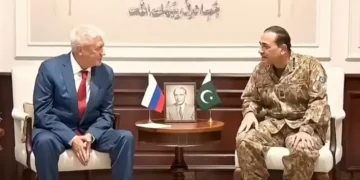
According to Iran’s semi-official ISNA news agency, Baqaei confirmed that Pakistan is acting as the mediator in US-Iran negotiations, while other countries including Qatar are also engaging with both sides.
“The mediator in the negotiations is still Pakistan, and Islamabad will continue its activities in this regard as an official mediator,” he said.
He further criticised the US presence in the region, calling it a source of instability and “a cycle of violence and bullying.”
Iran maintained that regional security should be managed by regional states through mutual trust rather than reliance on foreign military presence.
Earlier, Trump strongly rejected Iran’s response, posting on his Truth Social platform: “I have just read the response from Iran’s so-called ‘Representatives.’ I don’t like it TOTALLY UNACCEPTABLE.”
His rejection came after Iran reportedly submitted its response via Pakistan, which included calls to end regional fighting, particularly in Lebanon, where Israel continues strikes despite a ceasefire.
Tehran also demanded compensation for war damages and reaffirmed its position on sovereignty over the Strait of Hormuz.
Iranian officials said the proposal suggested separating immediate de-escalation measures from more complex issues such as sanctions relief and the nuclear dispute.
A senior Iranian source said the response reflected internal political consensus and that the decision now rested with Washington on whether dialogue would continue.